The key facts
- The European Parliament awarded the 2026 Sakharov Prize to the ICC and its officials
- The decision came after US sanctions against the court announced on October 9
- MEPs urge the European Commission to activate the EU blocking regulation; no concrete steps yet
ICC receives Sakharov Prize
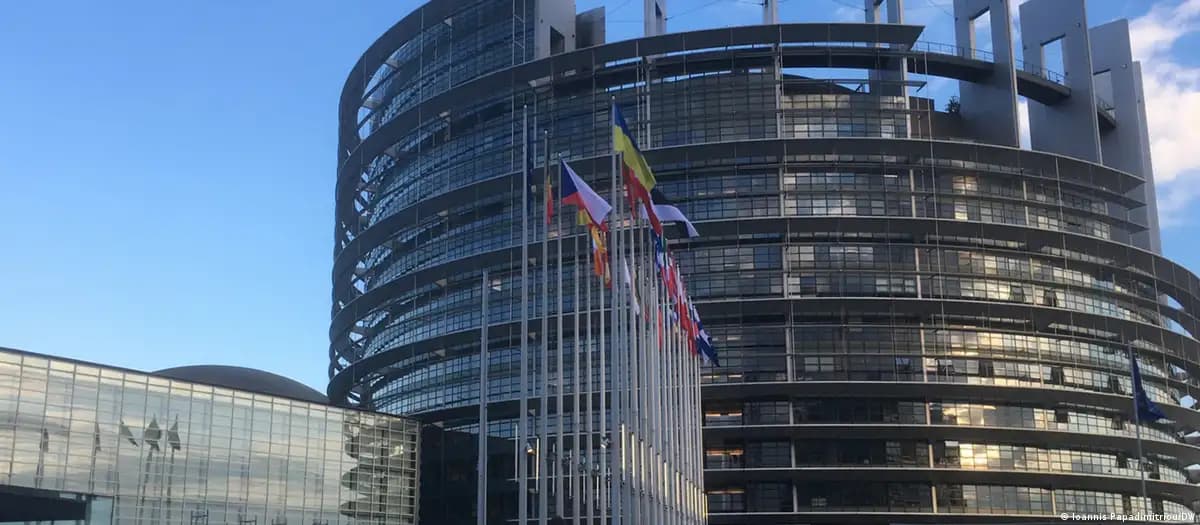
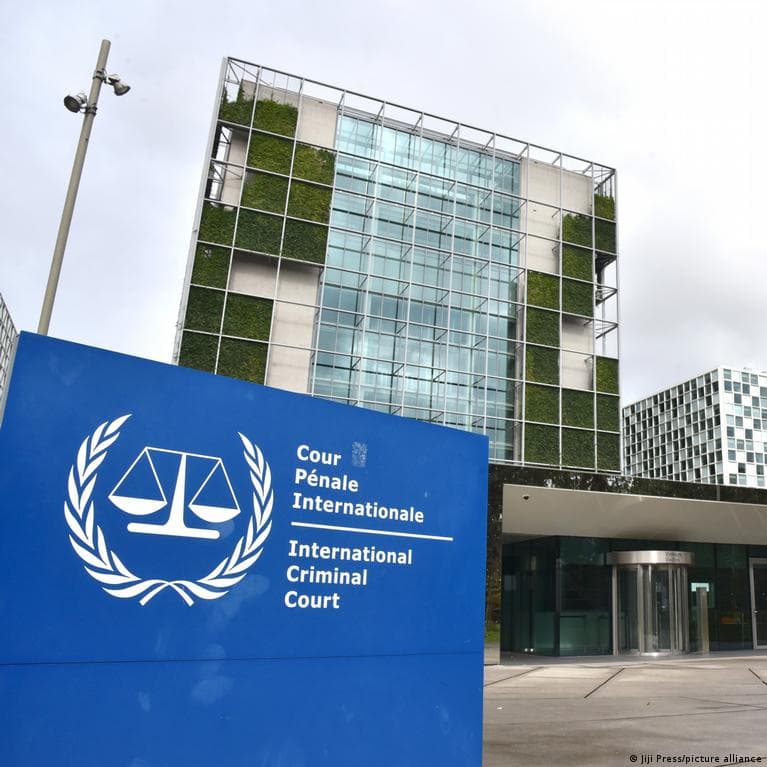
On Thursday, October 22, the European Parliament awarded the 2026 Sakharov Prize for Freedom of Thought to the International Criminal Court and its top officials — for their work in upholding international law and justice. Parliament President Roberta Metsola, announcing the laureate in Strasbourg, said the EU is 'founded on respect for multilateralism and international institutions,' and that the prize recognises the court's important work. The Parliament's statement emphasised the ICC's role in the 'global fight against impunity' and mentioned its investigations, charges, trials and arrest warrants for grave international crimes, including genocide, war crimes and crimes against humanity.
The court's reaction and the sanctions context
ICC President Judge Tomoko Akane said the award was given 'at a time when the court and its officials are facing unprecedented challenges, including sanctions aimed at disrupting the court's judicial mandate.' According to media reports, the administration of US President Donald Trump announced sanctions against the ICC on October 9; euronews links this to criticism of the arrest warrant for Israeli Prime Minister Benjamin Netanyahu and the investigation into the actions of American servicemen in Afghanistan. AFP notes that the sanctions will take effect in six months, and Washington had stated its intention to 'dismantle' the court 'brick by brick.' DW also recalls that this month former ICC judge Navanethem Pillay received the Nobel Peace Prize.
How the decision was made
The ICC was nominated by the Socialists and Democrats (S&D) group, supported by Renew Europe, the Greens/EFA and the Left. The competitors were Tanzanian opposition lawyer Tundu Lissu (candidate of the EPP and ECR, according to euronews) and Iranian twin sisters Taraneh and Romina Rahimi, promoted by Patriots for Europe co-chair Kinga Gál. According to euronews sources at the meeting, positions were split, a deadlock emerged, and under the rules a second round between Lissu and the ICC should have taken place. Gál ultimately abstained, allowing ICC supporters to gain a relative majority. Some insiders had expected Lissu to win. French MEP Chloé Ridel, who nominated the court, called the decision 'a message of hope and resistance addressed to Donald Trump.'
Calls to protect the court
Parliament has expressed concern since 2025 about sanctions against the court, in particular from the US, affecting prosecutors, judges, staff and partners. MEPs have repeatedly called on the European Commission to activate the EU blocking regulation, which protects European companies and citizens from the effects of certain foreign sanctions, and stressed that all EU member states are parties to the Rome Statute. Last week MEPs appealed to European Commission President Ursula von der Leyen to use 'all instruments.' After the prize announcement, von der Leyen wrote that the ICC 'must be free to carry out its mission independently, without pressure and intimidation.' EU foreign policy chief Kaja Kallas on October 9 called the threat of sanctions 'unacceptable,' however, according to euronews, the EU has so far taken no concrete steps.
About the prize and laureates
The Sakharov Prize was established by the European Parliament in 1988 and named after Soviet dissident and Nobel laureate Andrei Sakharov; it is awarded to defenders of human rights, democracy and the rule of law. Past laureates include Nelson Mandela (1988), Aung San Suu Kyi (1990), Mahsa Jina Amini and the 'Woman, Life, Freedom' movement (2023), Alexei Navalny, María Corina Machado, the people of Ukraine, and in 2025 journalists Andrzej Poczobut and Mzia Amaghlobeli. The award ceremony will take place in December in Strasbourg. According to AFP, Lissu, leader of Tanzania's Chadema party, was detained in April 2025 and faces the death penalty on treason charges; the Rahimi sisters, aged 21, have been sentenced respectively to death and to 36 years in prison for taking part in anti-government protests in Iran.