The key facts
- On the night of October 24–25, 2026, EU clocks will be moved back from 3:00 to 2:00 — Central European Summer Time (CEST/MESZ) ends.
- The abolition of the clock change was approved by the European Parliament in 2019 (410 'for', 192 'against'), but has been blocked due to the lack of agreement among EU member states.
- In the USA, daylight saving time ends on November 1; clocks are not changed in Russia, Morocco, Thailand, Japan, Argentina and South Africa.
Another switch to winter time in the EU
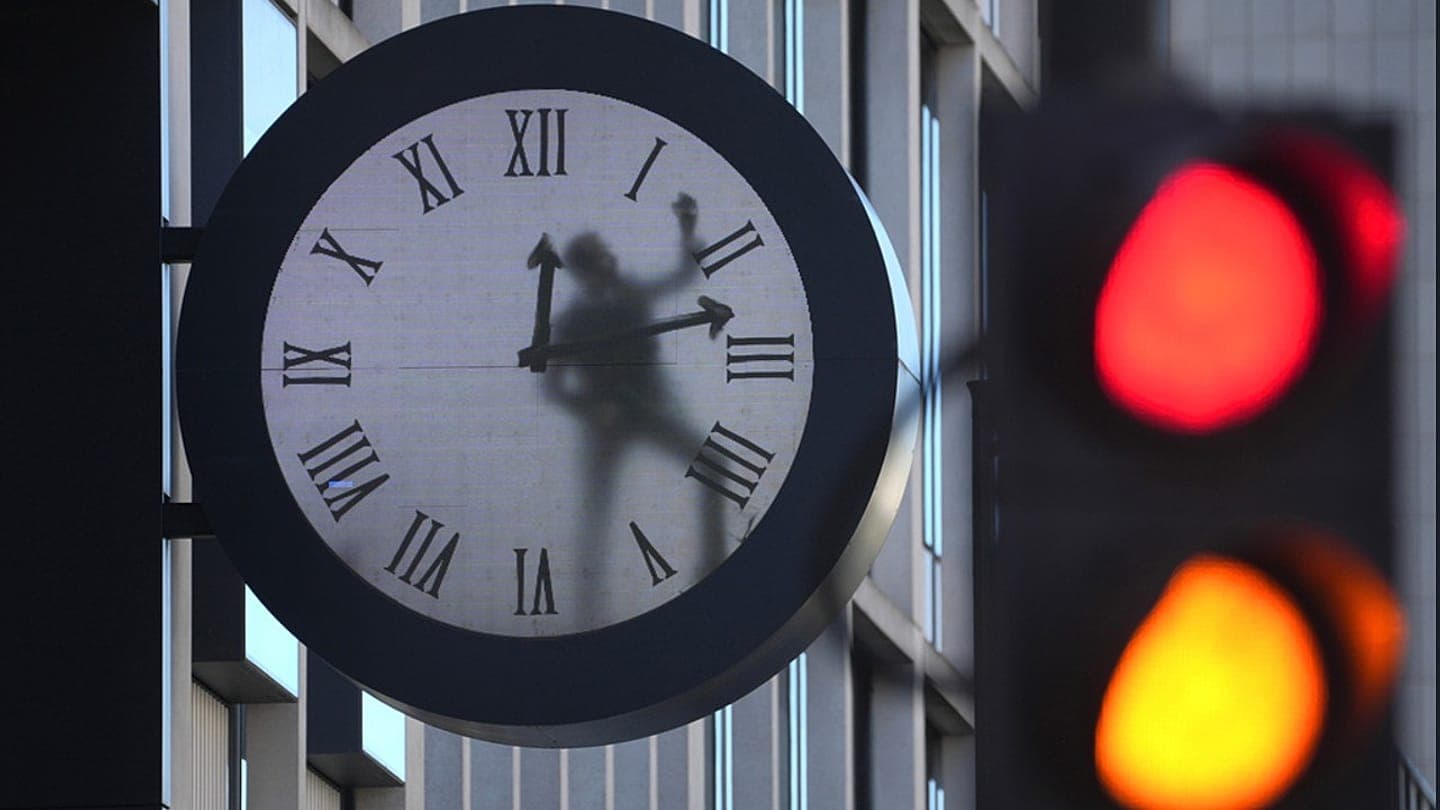
On the night from Saturday to Sunday, from October 24 to 25, 2026, in most European countries the clock hands will be moved back from 3:00 to 2:00. Those who do not work the night shift will get an extra hour of sleep, while 'night workers' will have to work an extra hour. It will get light earlier in the morning, and evenings will come earlier. With this change, Central European Summer Time (MESZ/CEST) ends, and Central European Time (MEZ/CET), commonly called 'winter' time, comes into effect again across most of Europe. In Portugal and the United Kingdom the clocks are also changed, but an hour earlier due to a different time zone. In the USA, the switch to winter time will take place only on November 1.
The abolition of the clock change is agreed but not implemented
Changing the clocks has long been unpopular in Europe: in a Europe-wide survey in 2018, 84% of respondents spoke out against the seasonal clock change; the largest number of opponents was in Germany. In 2019, the European Parliament supported the European Commission's proposal to abolish the twice-yearly clock change by an overwhelming majority — the vote was 410 'for' with 192 'against'. Originally, the abolition was planned to take effect from 2021. However, the final law was never adopted: this required the consent of the EU member states, which was not obtained. Countries still cannot agree on which time — summer or winter — should apply on a permanent basis. Since different time regimes could create economic and organisational difficulties, implementation has been postponed until a common solution is found. According to Euronews, the abolition of the clock change is not expected in the near future.
Why the issue was postponed
According to Euronews, the implementation of the decision was pushed back first by the coronavirus pandemic and the associated crisis, and then by Russia's full-scale invasion of Ukraine, which pushed the topic off the political agenda. In addition, according to surveys, resistance to the clock change has weakened somewhat recently.
Background and other countries
In 1976, the French government introduced summer time in response to the oil crisis in order to save energy; today this argument is considered outdated. In 1980, West Germany and other EU countries joined France in order to unify the time. According to the Reisereporter portal, which Euronews cites, clocks are not changed in Morocco, Thailand, Japan, Argentina and South Africa. Also, a decision was previously made to abandon the 'extra' (leap) second.
Russia lives on permanent time
In Russia, clocks are not changed for winter and summer time — the country lives on permanent time all year round. Seasonal time changes are prohibited by the federal law 'On the Calculation of Time' (Article 4). After experiments with permanent 'summer' time in 2011, in the autumn of 2014 Russia finally switched to permanent standard time. There are 11 time zones in the country; Moscow is permanently in the UTC+3 zone, so this Sunday the Russian clock hands will stay in place.