The key facts
- On 22 October the European Parliament voted for a three-year delay of methane monitoring requirements for importers of oil, gas and coal: 341 in favour, 225 against, 6 abstentions.
- Importers must confirm that contracts comply with EU standards by 31 May 2031, and methane intensity reporting is due by 5 August 2031 instead of 2029.
- Exception: energy carriers from countries under EU sanctions — their volumes must be declared separately to avoid circumventing restrictions.
Parliament chose a longer delay than the Commission proposed
On Thursday, 22 October, the European Parliament backed a three-year delay of monitoring, reporting and verification requirements for methane emissions for importers of oil, gas and coal, citing concerns about EU energy security. 341 MEPs voted in favour of the position on the European Commission's proposal, 225 against, six abstained. The Commission had proposed a delay of only one year, but MEPs, taking into account tensions on energy markets and high prices linked to the Middle East conflict, extended a number of deadlines to 2031.
New deadlines and the sanctions clause
Under the Parliament's position, importers must, by 31 May 2031, confirm that contracts concluded or extended from 4 August 2024 comply with monitoring, reporting and verification standards equivalent to EU requirements. Producers and importers in the EU must report the methane intensity of fossil fuels on the European market by 5 August 2031 instead of 2029. The extended deadlines will not apply to oil, gas and coal from countries under EU sanctions restricting or prohibiting such imports: these volumes, including blended deliveries, will have to be declared separately to rule out circumvention of the restrictions. The Parliament also called on the Commission to present a report on the implementation of the rules and energy security by 1 July 2029.
Balance of forces and politicians' reactions
According to euronews, citing parliamentary sources, negotiations on the text collapsed on Wednesday, after which the centre-right European People's Party (EPP) put the matter to a vote. EPP MEP and former Romanian energy minister Virgil Popescu said as early as 20 October that he would push for a three-year delay, citing difficulties faced by domestic oil and gas producers, including owners of old wells. The Social Democrats and liberals supported the Commission's one-year delay, while the Greens and the left called for rejecting the proposal and keeping the 2029 deadlines. Parliament President Roberta Metsola called the vote 'a strengthening of Europe's energy security'. EPP MEP Dimitris Tsiodras said the delay provides 'greater legal certainty'. The EPP's spokesman on industry and energy, Christian Ehler, called the one-year option 'far from sufficient' and noted that the EPP and at least 15 EU countries had demanded a three-year delay: 'This is not about increasing or permitting methane emissions, but about security of supply and lower energy prices'.
Criticism: a concession to the oil and gas industry
Green MEP Jutta Paulus, the lead negotiator on the regulation, accused the Commission of caving in to pressure from the oil and gas industry and called the three-year delay 'an absolute scandal' that undermines climate policy. According to euronews, the Commission proposed the delay after pressure from the oil and gas industry and a number of EU countries, which France recently joined. The environmental platform European Civil Society Observatory on Methane stated that delaying the rules will not solve supply and price problems: 'Global supply shocks and Europe's dependence on fossil fuels are what drive the current market pressure'. According to the platform's estimate, full and timely implementation of the regulation could bring about €704 billion in benefits in climate, health and the economy at regulatory costs of €49 billion, and also prevent around 155,000 premature deaths worldwide by 2030. Climate Action Network's coordinator on gas policy, Flora Witkowski, said the vote 'serves the interests of the oil and gas industry, not people', would prolong Europe's dependence on fossil fuels and the price crisis, and would cost an additional €185 billion in damage.
Context and next steps
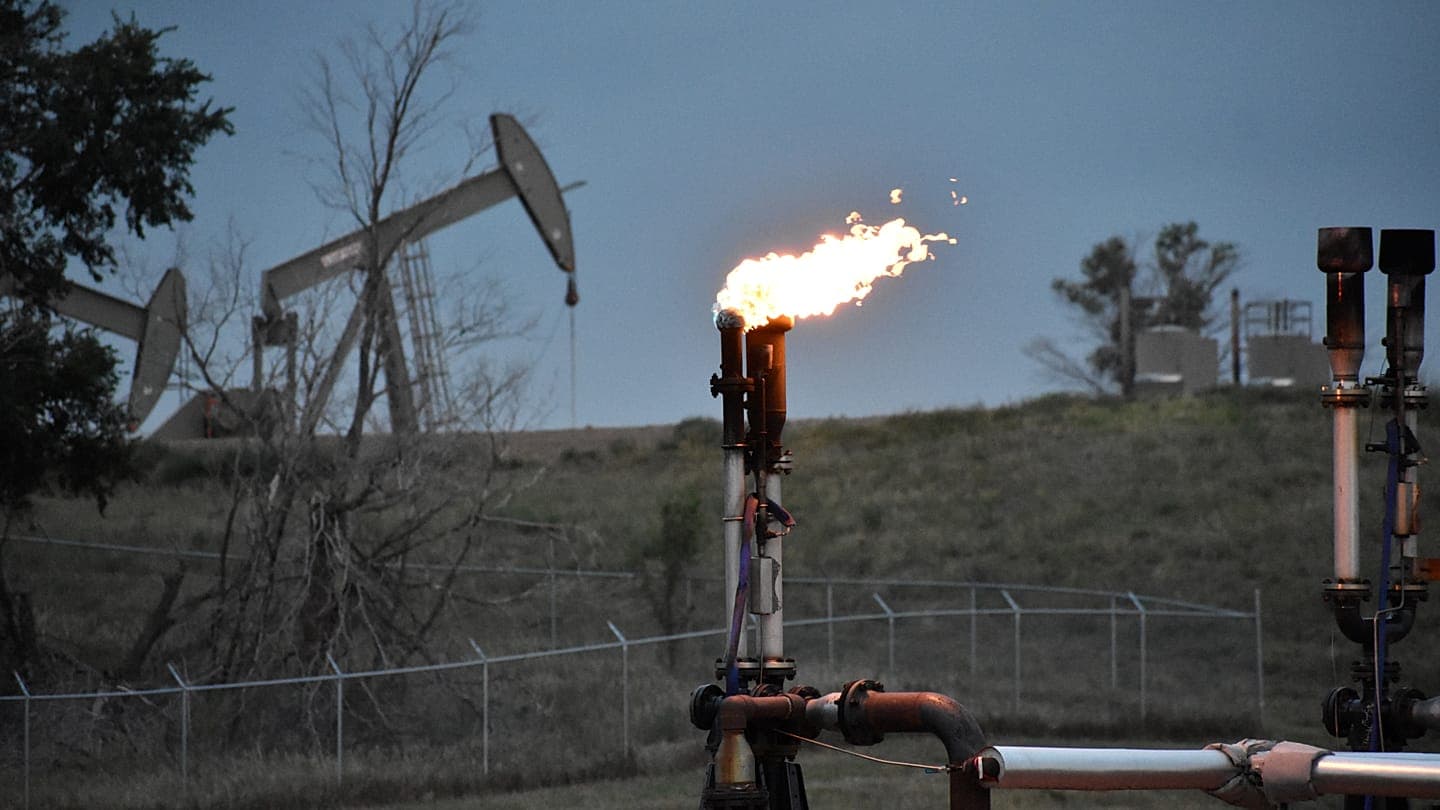
The methane rules were adopted by EU countries in May 2024 and became the bloc's first mechanism for measuring, reporting and verifying methane emissions in the energy sector; fines are provided for failure to submit data. In July, according to euronews, the Commission proposed waiving the fines under these rules for three years in order to reassure the industry and the US — the largest supplier of LNG to the EU. The bill on the delay is being considered under an accelerated procedure with the aim of bringing the changes into force before the end of the year. Under the version supported by the EPP, the Commission will assess in mid-2029 whether further changes are needed if companies continue to have difficulties complying with the rules or if risks to supplies persist. Publications note that a longer delay could weaken incentives to invest in emissions monitoring and leak repair, which carries political costs for the EU's climate ambitions.