The key facts
- Fines of up to £100 for loud music, littering, vaping and threats on buses in England; rules must be approved by the transport secretary
- A campaign for rail passengers, 'share the carriage, not the noise', has been launched
- Critics doubt enforcement; TSSA demands an increased budget for the British Transport Police
New fines on buses
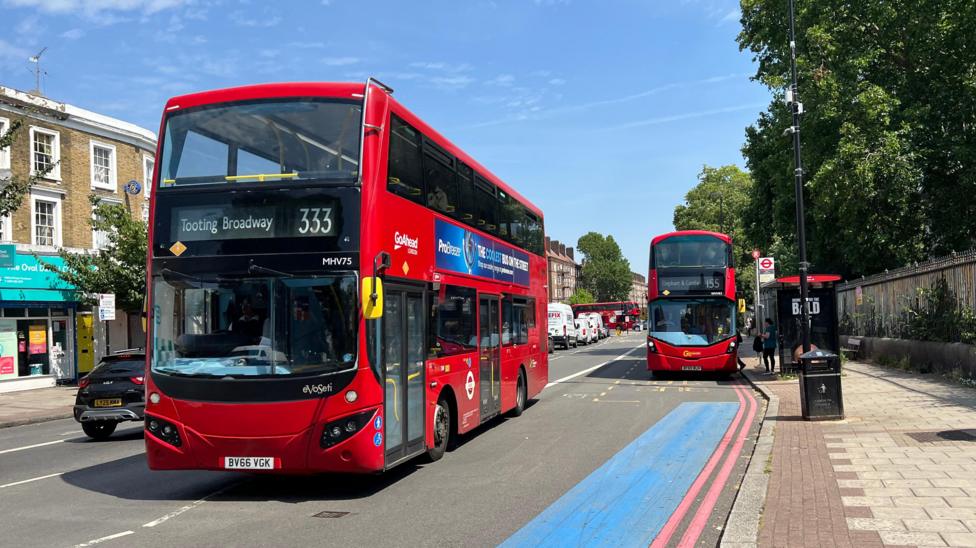
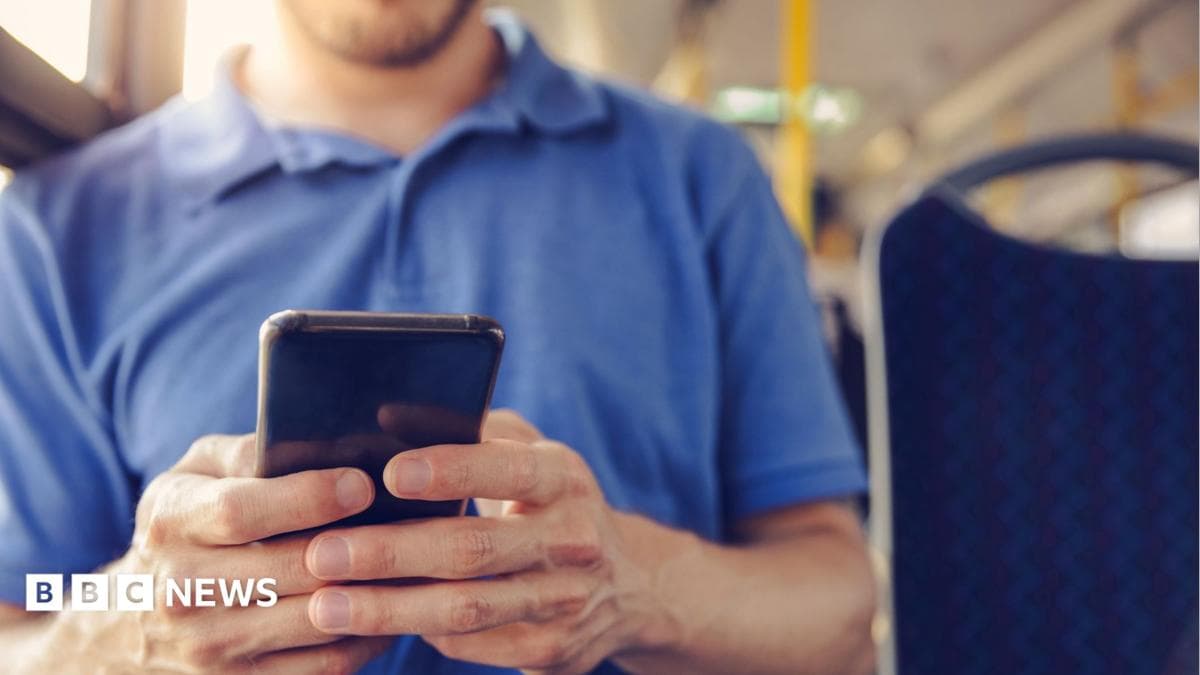
Passengers playing loud music on buses in England could face a fine of up to £100 as part of the government's crackdown on antisocial behaviour. The measures also target littering, vaping and threatening behaviour on public transport. The government has issued local authorities new guidance on powers introduced earlier in 2026: they allow rules for buses to be introduced, but require approval from transport secretary Heidi Alexander. According to Alexander, small changes in behaviour 'can radically change the experience of travelling on public transport'. Bus drivers will not be responsible for enforcement — this will be handled by authorised officers, including transport safety officers and the police.
Campaign on the railways
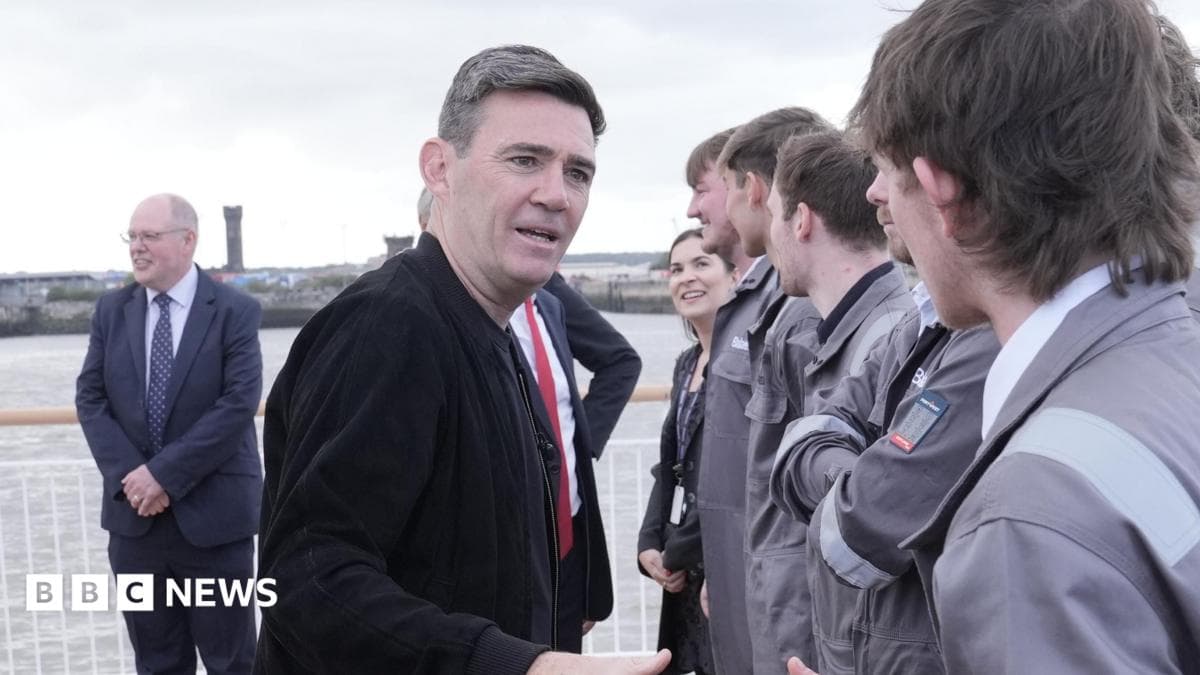
In parallel, a nationwide campaign is being launched reminding train passengers to 'share the carriage, not the noise'. It will be broadcast on operators' websites, on social media and in carriages. The government said this would replace the existing 'patchwork' approach of different operators with a single message across the network. Under existing powers, those who refuse to turn off loud music can be removed from a train or fined £1,000. The phenomenon is known as 'loudcasting' or 'sodcasting'; surveys by Ofcom, YouGov and Transport for London have shown that the vast majority of people find it annoying. 'We have all been on a train when someone starts blasting music or a video from their phone. It gets on your nerves and can quickly ruin a journey,' said Andy Burnham.
Reaction and doubts
TSSA transport union general secretary Maryam Eslamdoust called the measures 'a step in the right direction', but urged the government to 'urgently confront violence, threats and abuse' against passengers and staff by increasing the budget of the British Transport Police. Michael Solomon Williams of Campaign for Better Transport noted that antisocial behaviour can deter people from public transport, especially those with particular accessibility needs, and doubted enforcement: it is unclear how police will be called to bus routes where there is no British Transport Police. Shadow transport secretary Richard Holden said passengers face more serious problems: assaults on railway staff have risen by 68%, while the number of prosecutions in court has fallen under Labour. Liberal Democrat Olly Glover said that 'tough words mean nothing without enforcement', and without funding for transport officers the rules 'will not be worth the paper they are printed on'. The independent watchdog Transport Focus cited its June research: four in ten passengers report that antisocial behaviour made them feel vulnerable on journeys; according to policy director Alex Campbell, measures against noise and vaping could improve the experience and attract more people to public transport.
 Image source, Getty Images