News

Science

46 stories

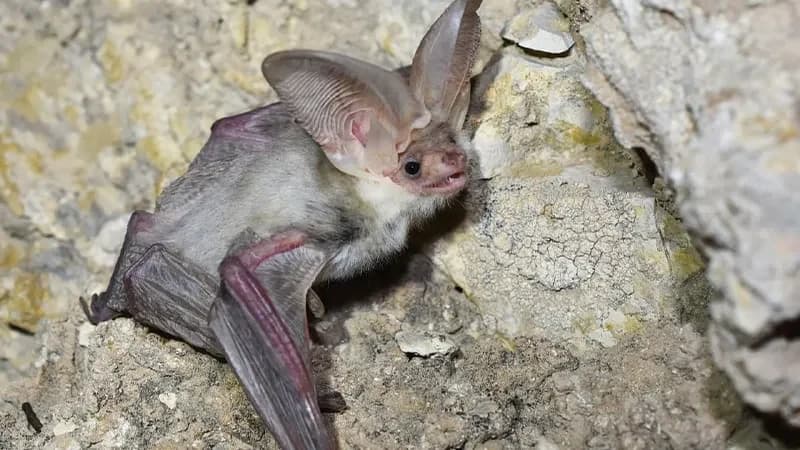
Uzbekistan records rare bat species — the Turkmen long-eared bat — for the first time

Scientists at the Institute of Zoology of the Academy of Sciences of Uzbekistan, together with foreign colleagues, have for the first time discovered the Turkmen long-eared bat (Plecotus turkmenicus) in the country. The rare species was found in the South Ustyurt National Natural Park during an expedition under the IUCN project 'One Health in Nature Conservation', funded by Germany's International Climate Initiative. Previously, the species was known mainly from data collected before 1970 and museum specimens.

1 min read

Slovenia takes measures to save its last glacier, Skuta

The Skuta glacier is Slovenia's only remaining glacier after the near-complete disappearance of the glacier on Triglav. Over 80 years of observations, its area has shrunk from 2.5–3 to 1.5 hectares, and the ice thickness from tens of metres to just a few. Scientists link the melting to snow-poor winters and hot summers, and the consequences to the shallowing of the Drava and Mura rivers and the reduction of groundwater.

3 min read

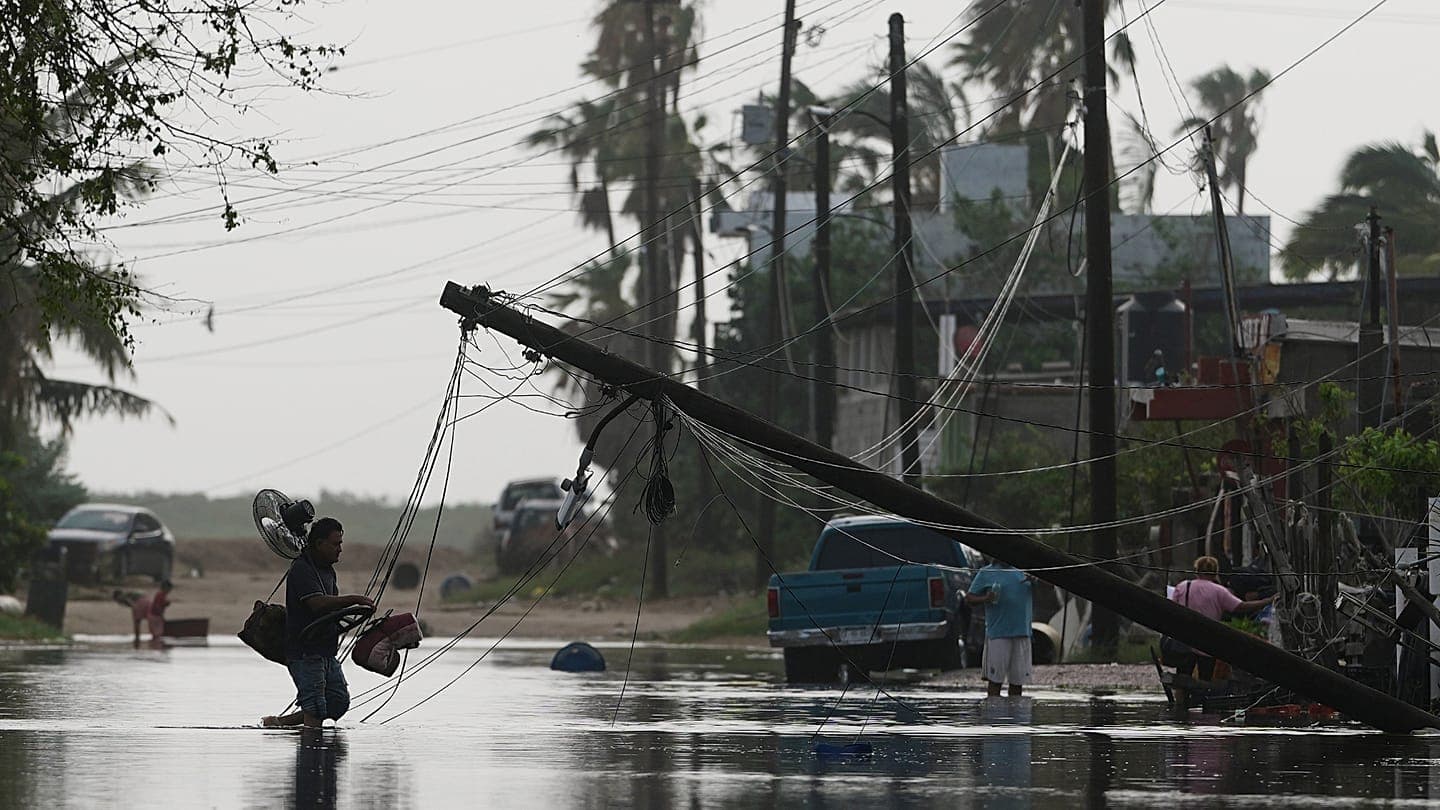
Scientists: Climate change strengthened Hurricane Polo more than El Niño

A joint study by World Weather Attribution and Climate Central found that climate change added nearly 10 km/h to Hurricane Polo, while El Niño added about 8 km/h. Polo became the longest-lasting Category 5 hurricane in the Pacific, holding that status for two and a half days. Some independent experts believe the contribution of climate change may have been underestimated.

4 min read

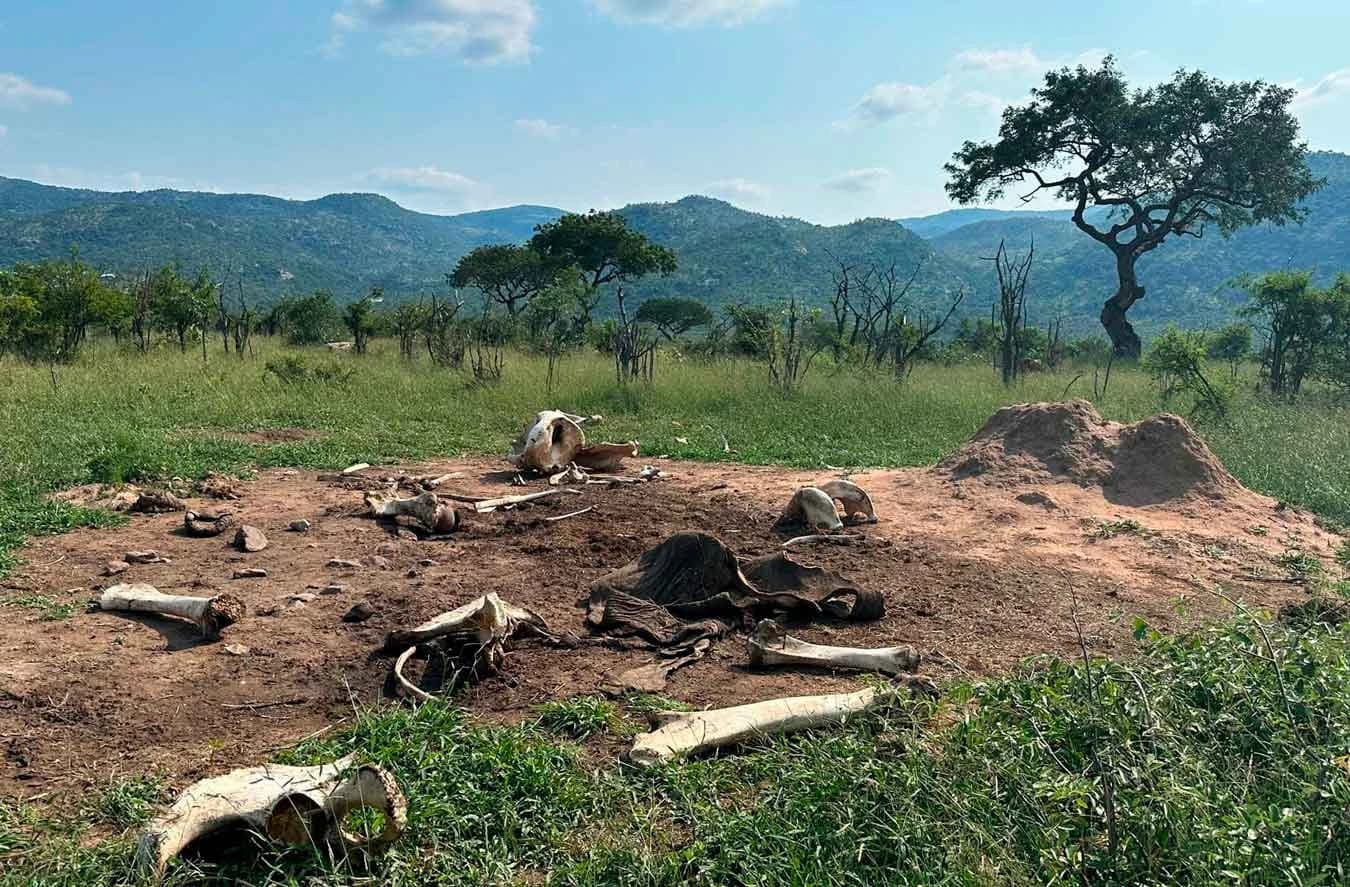
Scientists find out why animals visit elephant carcass sites more often

An international team led by Deron Burkpyle of the University of California, Santa Barbara studied 40 elephant carcass sites. The remains markedly change soil chemistry: ammonium content is on average 31 times higher, nitrates 7 times, and phosphorus 3 times compared with control plots. High nitrogen concentrations are toxic to plants, so plant and soil microorganism diversity near the remains is reduced even after 7.7 years. At the same time, the grass around is richer in nitrogen,

2 min read

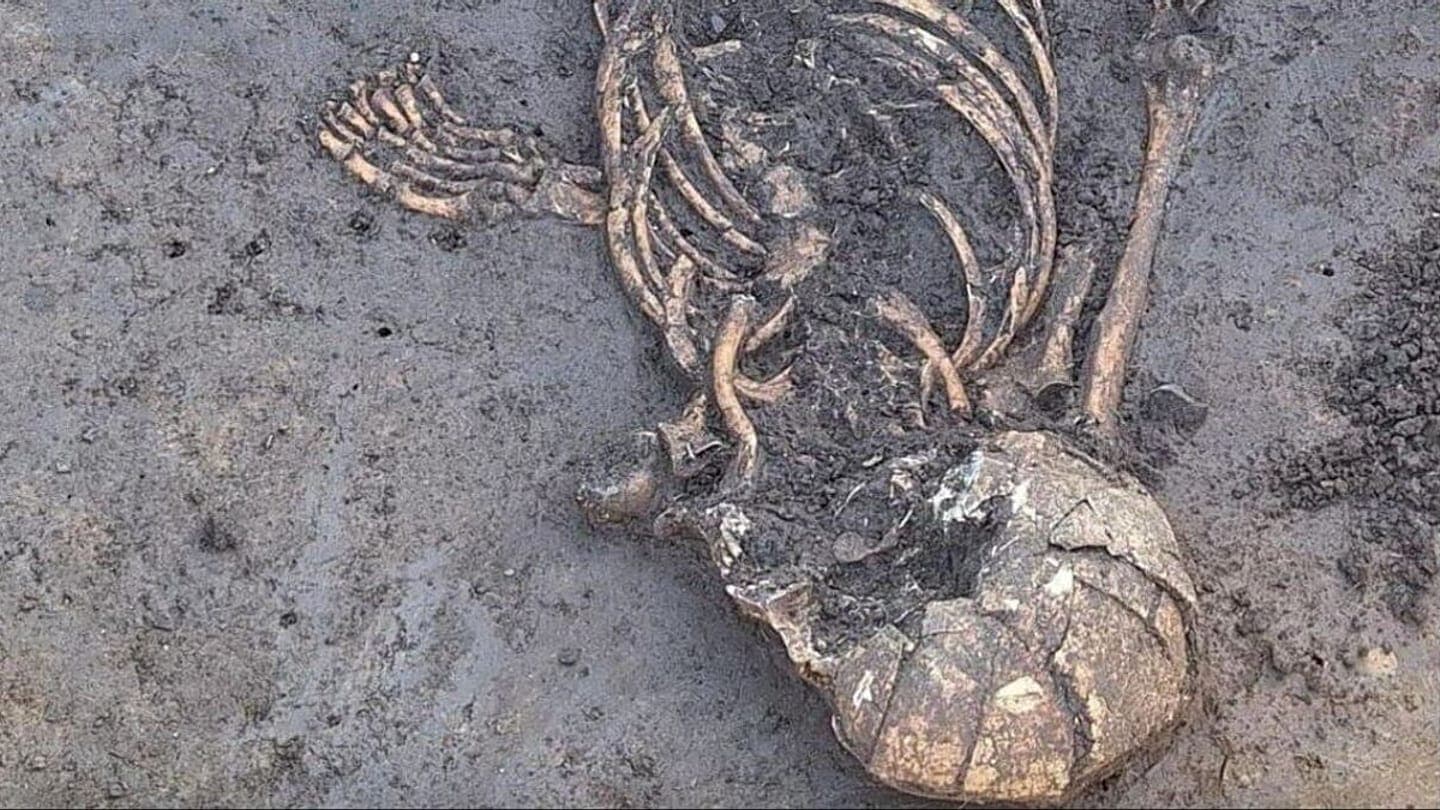
A skeleton about 7,000 years old found in Bavaria in an unusual position

During excavations at the 'Steigäcker IV' development site in Großköllnbach (Lower Bavaria), a burial of a young person of the Linear Pottery culture, about 7,000 years old, was discovered. The skeleton lies in an atypical position, and deformation of the cervical spine was noted. About 150 settlement features were also documented, including longhouses and clay ovens.

3 min read

Are you eating your food correctly?

Did you know that you should give up tea with milk, that stewed tomatoes are healthier, and that cinnamon can be added not only to coffee or baked goods? We explain which foods you are eating incorrectly and how to get the maximum benefit from them. Improper cooking and storage lead to the loss of important nutrients, so experts recommend getting vitamins and minerals from food rather than relying only on supplements. Read more in issue No. 42 of the Darakchi Plus newspaper dated 15.10.2026. Subscription to Darakchi Plus for 2026 is open at any post office.

2 min read

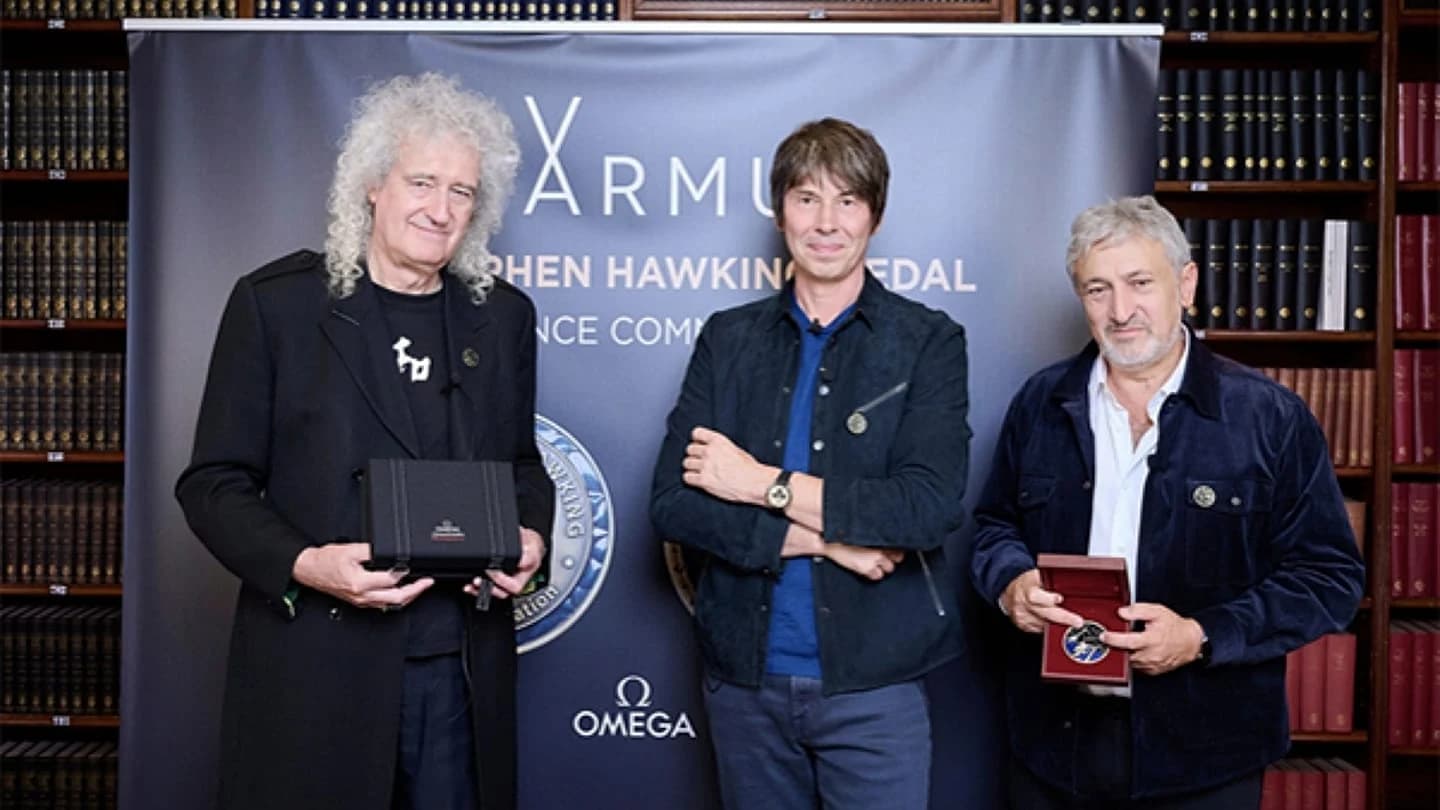
Brian Cox Receives 2026 Stephen Hawking Medal for Science Communication

British physicist and TV presenter Brian Cox has been awarded the Stephen Hawking Medal for Science Communication by the Starmus foundation. The ceremony took place on 2 October in London, with the award presented by Starmus co-founders Brian May and Garik Israelian. This year's laureates also include Ridley Scott, Geoffrey Hinton, and the Artemis II crew.

3 min read

Women with autoimmune diseases face longer delays and diagnostic errors

A new study found that women, who account for up to 80% of all autoimmune disease cases, face significantly longer diagnostic delays compared to men. Nearly a third of women wait four years or more for a diagnosis, while almost half of men receive one within a year. Experts link this to historical gender biases and a lack of research into women's health. Women are almost 75% more likely to receive erroneous psychosomatic diagnoses.

2 min read

Nuclear war and the malicious use of AI have joined the list of humanity's greatest threats

An assessment published in The Lancet places nuclear conflict and the malicious use of artificial intelligence in the highest category of global threats to humanity by the end of the 21st century. A commission of experts reviewed hundreds of potential threats and identified the 17 most significant risks to human health and survival for 2025–2100, covering 204 countries and territories. Nuclear war is dangerous not only for its immediate destruction and casualties but also for possible global famine from nuclear winter, while malicious AI could facilitate the development of biological weapons. Other serious threats include climate change, air pollution, antibiotic resistance, pandemics, armed conflicts, child malnutrition, obesity, smoking, excessive alcohol consumption, and mental disorders. The researchers measured consequences in lost years of healthy life and stressed that timely measures in healthcare, technology, security, and policy could greatly reduce future damage. The authors note that the probability of nuclear conflict and malicious AI use remains low, though the potential consequences are extremely large.

2 min read