The key facts
- Climate change added nearly 10 km/h to Hurricane Polo, El Niño about 8 km/h (study dated October 14, 2026)
- Climate change made the hurricane conditions 23 times more likely, El Niño 14 times
- Polo set a Pacific record for time as a Category 5 hurricane — 2.5 days; the study has not yet been peer-reviewed
Two factors strengthened the record hurricane
Hurricane Polo, which rapidly intensified in September 2026, became the longest-lasting Category 5 hurricane in the history of Pacific observations, holding that status for two and a half days. According to a joint study by scientists from World Weather Attribution and Climate Central, published on October 14, two factors strengthened it at once: climate change and El Niño. Global warming caused by the burning of coal, oil and gas turned out to be the main culprit, adding nearly 10 km/h to the hurricane's already enormous power. The contribution of El Niño — a natural and temporary warming of parts of the Pacific Ocean — was slightly smaller, about 8 km/h, one of the study's co-authors clarified.
How likely such conditions became
According to the authors' calculations, due to climate change, the conditions that fueled the hurricane became 23 times more likely, while El Niño increased their probability 14-fold. A key role was played by water temperatures reaching 31.2 °C — in places 2 °C above normal. This year, against the backdrop of an extremely strong El Niño, the Pacific has already seen records broken for storm intensity and duration. Scientists noted that even without both factors, Polo would still have been a destructive storm, but every additional kilometer per hour of wind speed can multiply the damage.
Views of the study's authors
"Both El Niño and climate change strengthened this hurricane compared to what it would have been under normal conditions, but the effect of climate change is even greater than the effect of El Niño," said climatologist and study co-author Friederike Otto, who coordinates the international scientific group World Weather Attribution. According to her, El Niño comes and goes, while climate change only worsens, so now every hurricane in the eastern Pacific carries a "climate fingerprint" that will keep growing as long as fossil fuels are burned. Kristina Dahl, vice president for science at Climate Central, added that although El Niño is currently redistributing risks around the world, climate change remains the main factor.
Rapid intensification and methodology
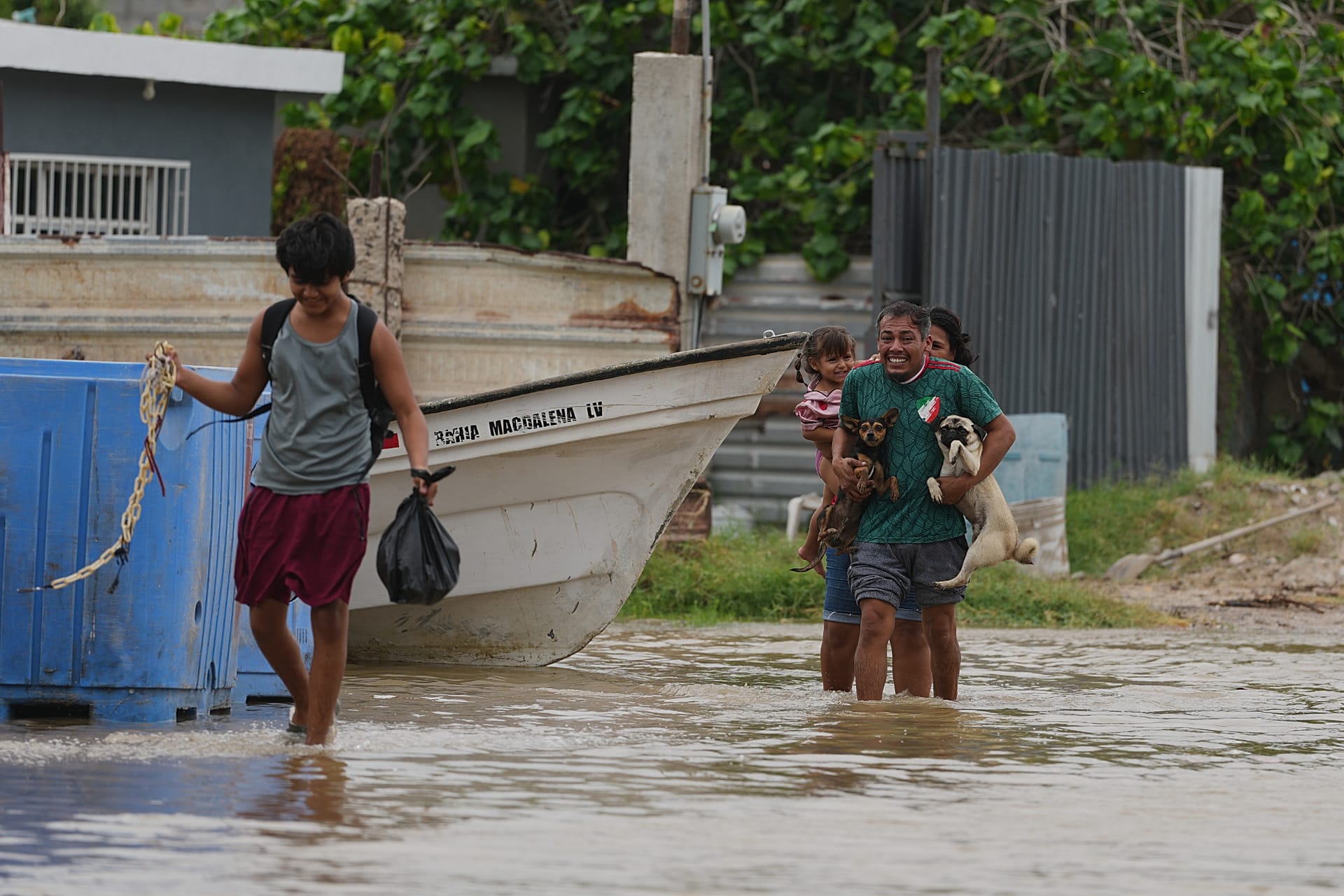
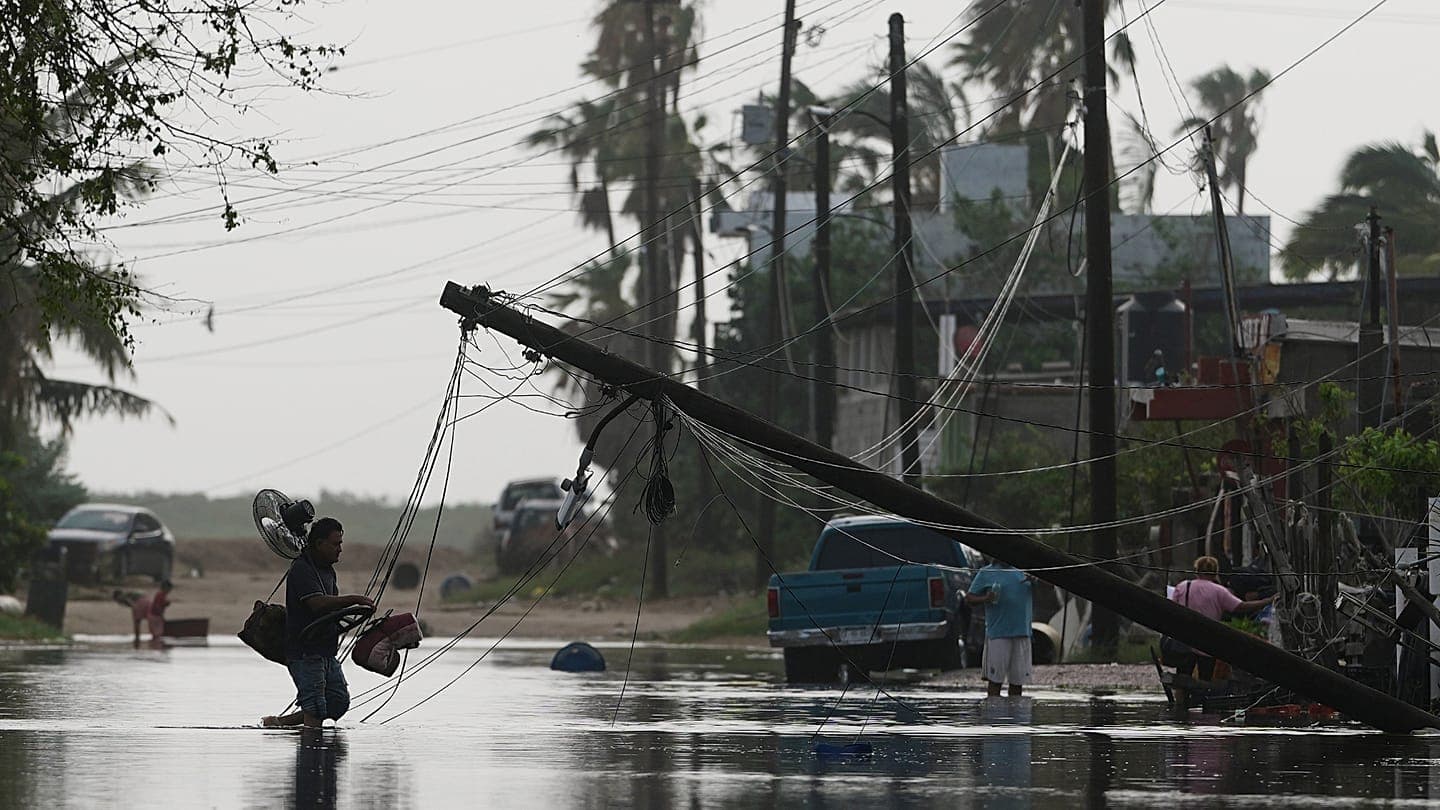
Although Polo weakened considerably before making landfall in a sparsely populated area of Mexico, scientists are struck by how, in just one day, it turned from a tropical storm into a maximum-strength Category 5 hurricane. The study analyzed the warm ocean waters fueling the storms but did not focus on wind shear in the upper atmosphere, where El Niño's influence is especially strong: in the Atlantic, El Niño usually strengthens the high winds that "decapitate" storms, while in the Pacific, on the contrary, it weakens the flows that weaken cyclones. Both teams used a commonly accepted method, comparing the real warmed world with a hypothetical world that had not warmed by 1.4 °C since pre-industrial times. The teams applied different methodologies but reached the same conclusion, which increases confidence in the result. However, the rapid study has not yet been peer-reviewed.
Independent experts disagree in their assessments
Study co-author Daniel Gilford of Climate Central compared the studied process to the movement of cars: wind shear from El Niño is a red light in the Atlantic or a green one in the Pacific, while the heated water is a driver pressing the gas to the floor. Brian Tang of the University at Albany, who was not involved in the work, admitted that he was initially surprised by the conclusion about the primacy of climate change given the extreme El Niño, but in the long term the result is not so unexpected. Three other independent experts — Jeff Masters of Yale Climate Connections, Michael Mann of the University of Pennsylvania and Carl Schreck of North Carolina State University — believe the study underestimates the contribution of climate change. Masters cites Gilford's own 2024 study, which showed that from 2019 to 2023, climate change added about 30 km/h to Atlantic hurricanes. Gilford acknowledges that the new report may slightly underestimate the effect, but emphasizes that he accounted for accompanying conditions and deliberately stuck to conservative estimates.