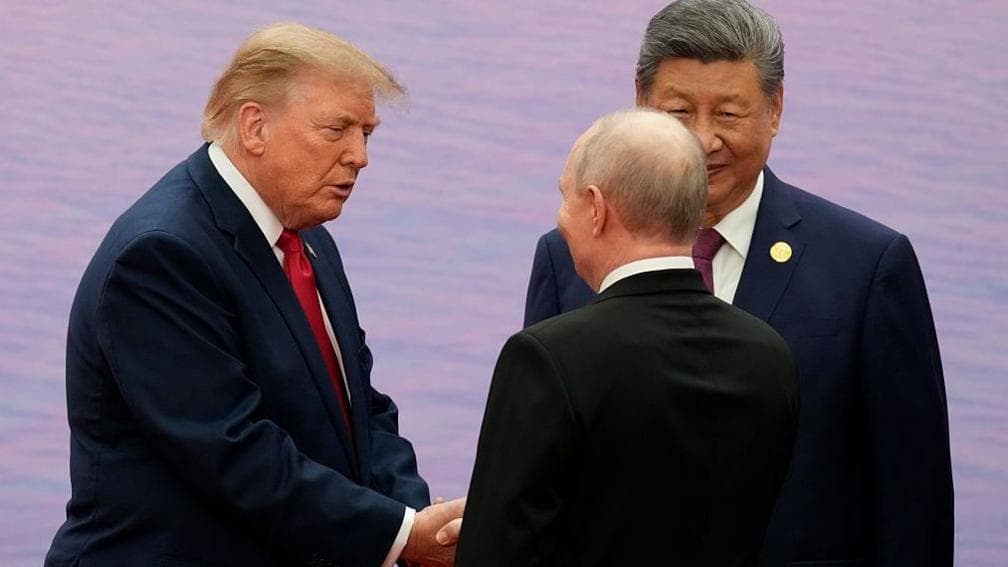
The key facts
- Xi Jinping organized the first trilateral meeting with Trump and Putin on the sidelines of the APEC summit in Shenzhen
- Xi Jinping arranged the first trilateral meeting with Trump and Putin on the sidelines of the APEC summit in Shenzhen
- China does not want to discuss Ukraine and resists being included in a nuclear arms treaty
- Trump and Putin may go off-script, and the outlet's experts do not expect significant outcomes from the meeting
- Trump and Putin could go off-script, and the outlet's experts do not expect significant outcomes from the meeting
A summit no one else could have organized
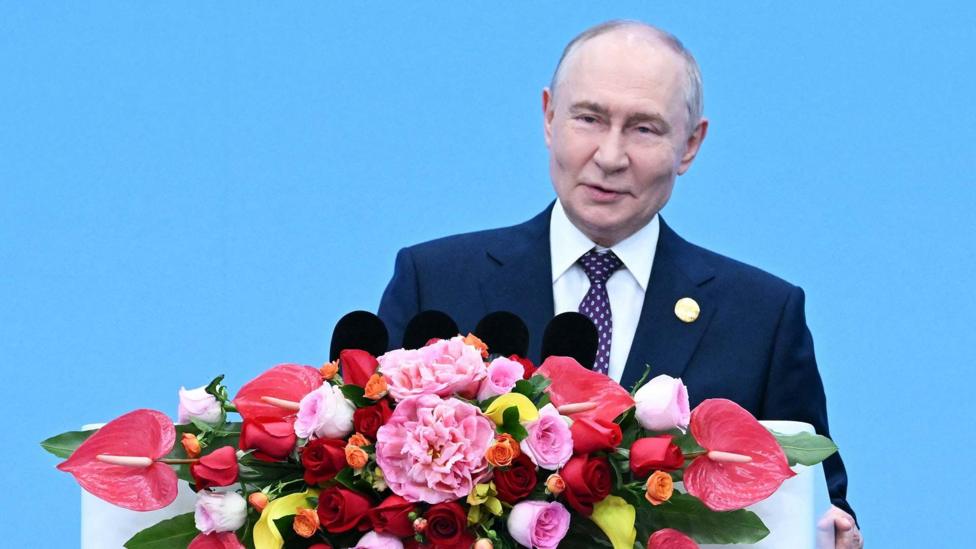
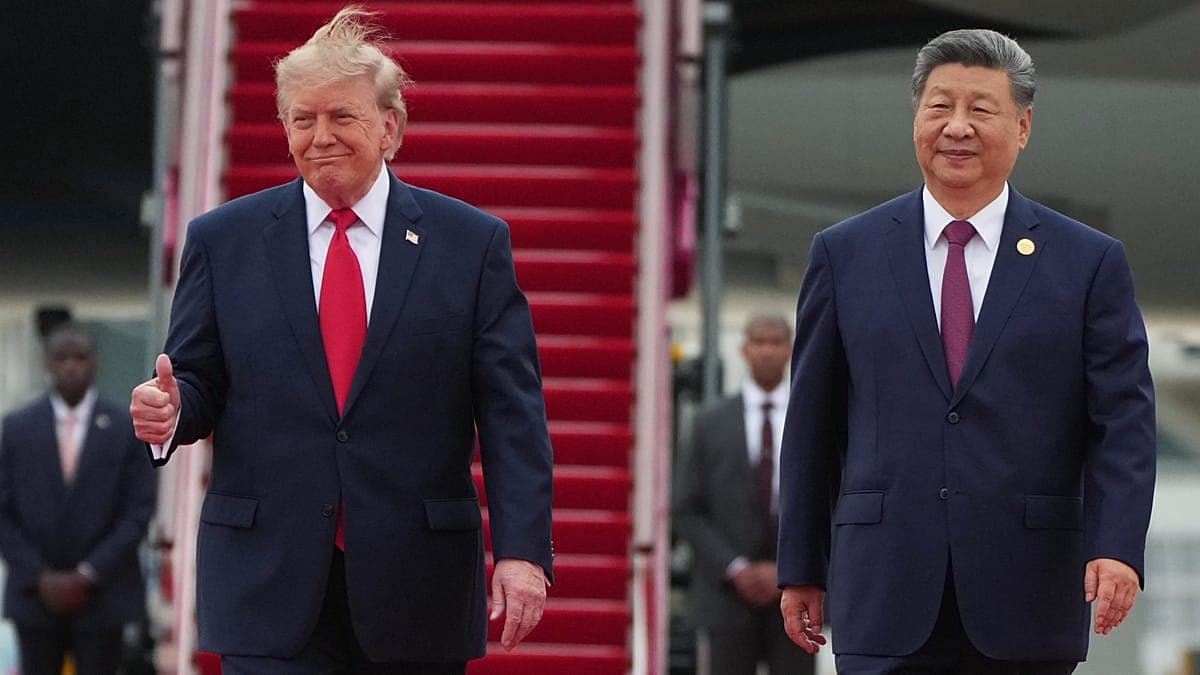
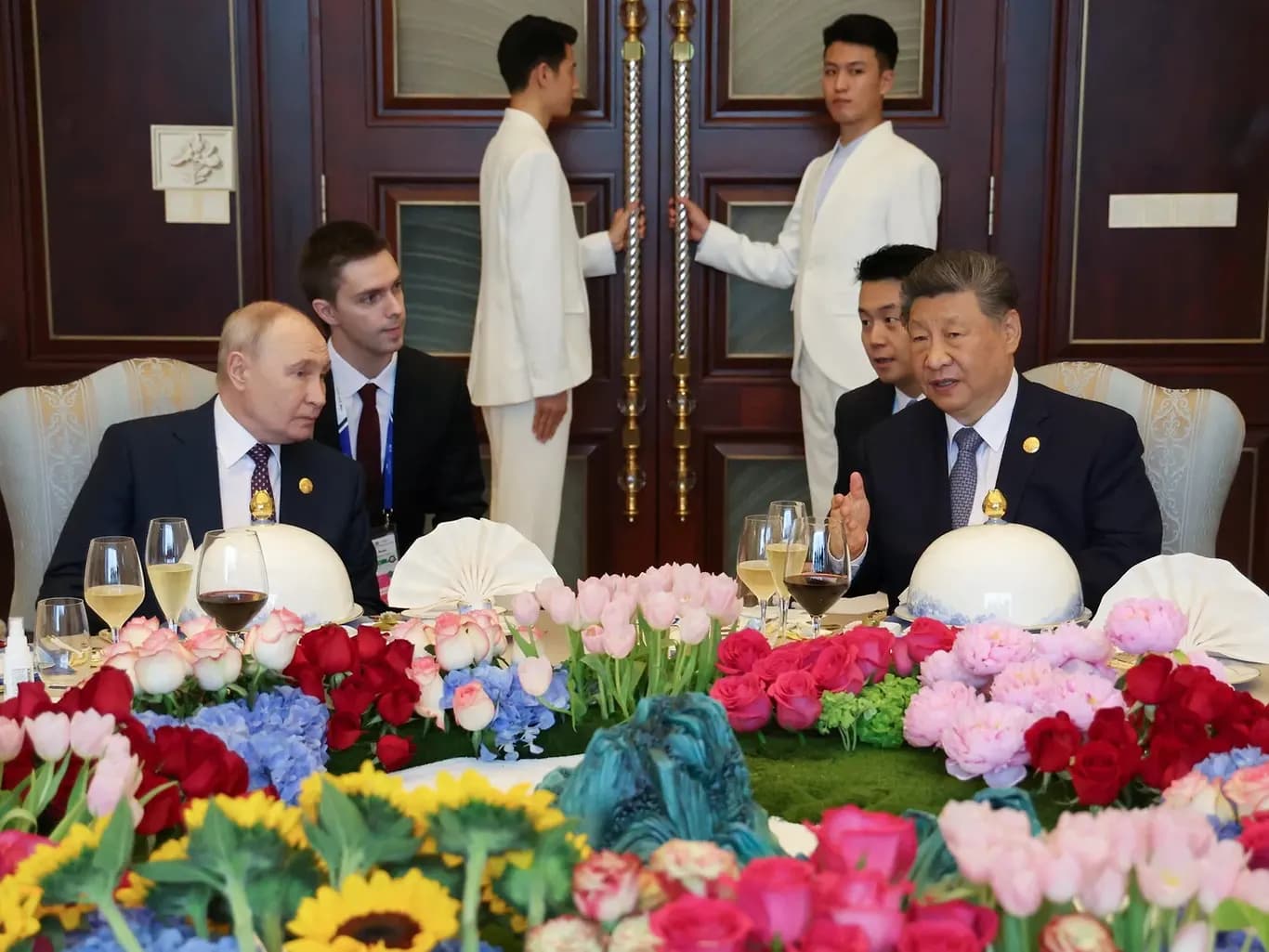
On the sidelines of the APEC summit in Shenzhen, an unprecedented trilateral meeting is taking place between Xi Jinping, Donald Trump and Vladimir Putin. As BBC China correspondent Laura Bicker writes, Xi apparently believes he has achieved what no other world leader could: for decades the world order was shaped by Washington and its Western allies, and now it is Beijing that has brought the three most influential politicians on the planet to one table. Formally, this is an economic summit of Asia-Pacific countries, but for Xi it is also a demonstration of China's influence on the global economy and politics. Shenzhen was chosen as the venue, with its futuristic look — driverless cars, drones in the sky and robots dancing in the streets.
Ukraine: a topic Xi prefers not to raise
According to the BBC, the meeting has pitfalls. The first is the war in Ukraine, now in its fourth year: China does not seek to put it on the agenda. For Xi this is a delicate balance: he understands that closeness with Putin could harm China's ties with Europe, and the EU is a key market, especially when the Chinese economy is heavily dependent on exports. At the same time, Xi does not want the war to end in a way that destabilizes Russia — a key ally and neighbor. Beijing continues to position itself as a neutral party, calling for negotiations and a political settlement while avoiding condemnation of Russia's full-scale invasion. The US and Europe have previously accused China of supplying Russia with components suitable for war and of supporting the Russian economy through purchases of oil and gas. Xi's formula, as the outlet puts it, is to keep Putin close, but not too close: he does not want Russia's problems to become China's problems.
Nuclear weapons: the second contentious point
The second sensitive topic is nuclear weapons. Trump has already made clear that he wants the three leaders to discuss limiting the world's nuclear arsenals. The US and Russia have the largest stockpiles of warheads, but China is rapidly building up its own, which is causing alarm in Washington. The last major US-Russian arms control treaty, New START, expired in February this year, which, as the BBC notes, raised fears of a new arms race. Trump would like to include China in any new agreement, but Beijing is resisting: Xi's argument is that his arsenal is significantly smaller than the American and Russian ones, so binding Beijing to their limits is unfair, and China should have the freedom to develop its own nuclear capabilities. The outlet points out that this topic could complicate Xi's pursuit of recognition of China as a leader on the world stage — the US may object that such status implies the role of a responsible nuclear power.
The risk of slipping out of control and Xi's domestic problems
The third risk is losing control of the script. Chinese officials usually fix the agenda and rehearse speeches in advance, but this time Xi will have to deal with two unpredictable leaders, each with their own agenda; Trump has already threatened to go off-script. There is a chance that Trump and Putin will dominate the meeting, and Xi will end up playing the role of host rather than architect of the diplomatic moment. Still, the BBC suggests this could work in Xi's favour: he seeks to look like a steady world leader next to two figures embroiled in wars they cannot end, and any unplanned moment could reinforce his image as the senior statesman. The outlet does not expect significant outcomes from the meeting, but its symbolic power matters to Xi ahead of the Communist Party congress, where he expects to secure a historic fourth term. At home, he faces a crisis in the property market, local government debt, slowing industry, a growing share of precarious employment without pensions or social insurance, and, by available estimates, one in five young Chinese unable to find work. Against this backdrop, a photograph with Putin and Trump could serve as an argument that China's 'century of humiliation' is over and that the country is no longer merely a rising power but a participant in shaping the rules of a new era.
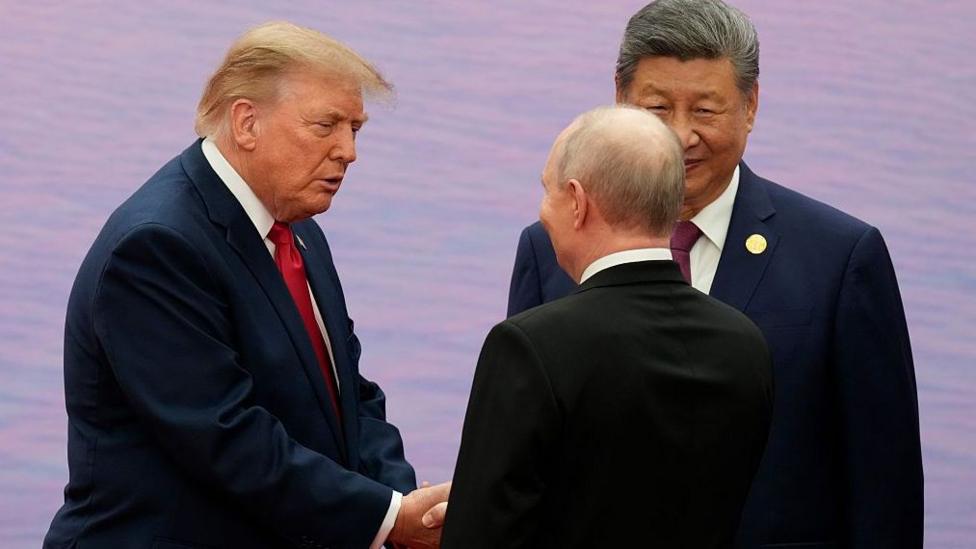 Image source, Getty Images
Donald Trump, Vladimir Putin and Xi Jinping are meeting for a historic trilateral summit
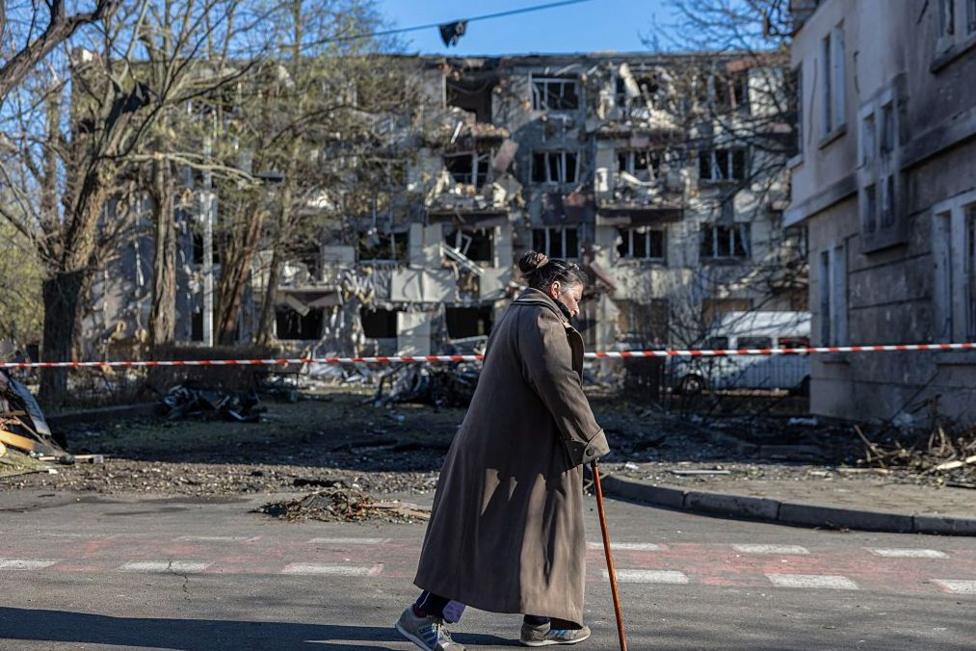 Image source, Getty Images
Russia's invasion of Ukraine, now into its fourth year, has claimed hundreds of thousands of lives
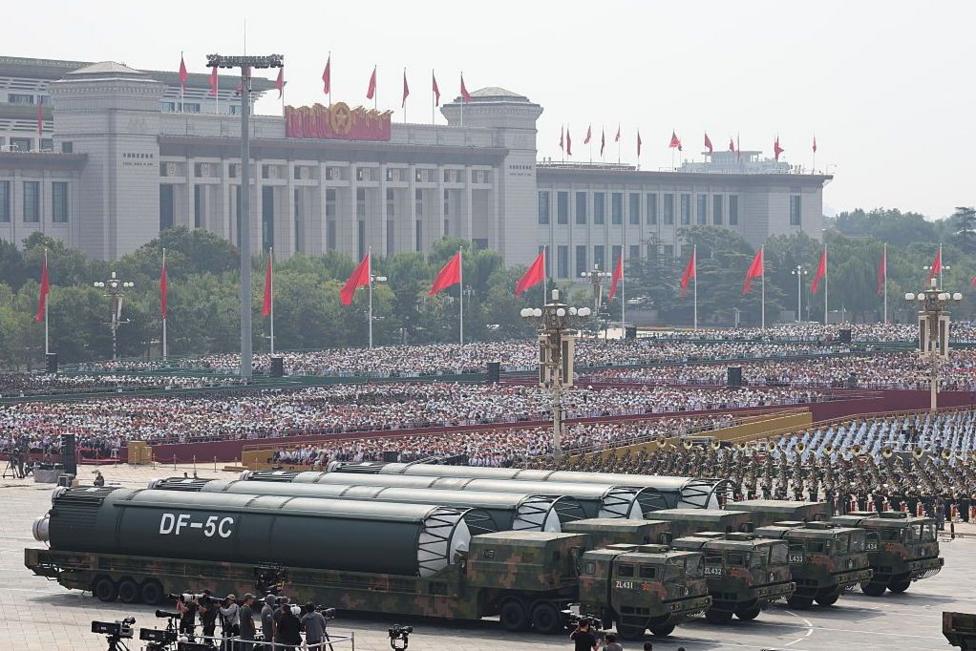 Image source, Getty Images
China unveiled intercontinental nuclear missiles at a military parade in 2025
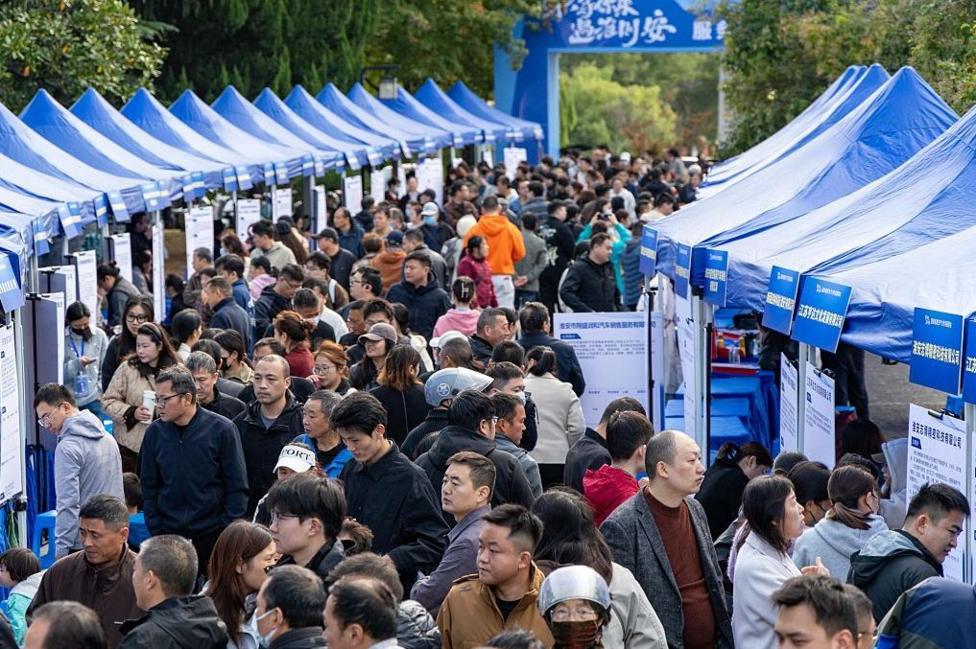 Image source, Getty Images
A job fair in Jiangsu province: China has been battling youth unemployment in a sluggish economy