The key facts
- 266 million people worldwide face acute hunger; about 88 million of them last year — mainly due to extreme weather events
- Only 2% of global crisis financing is released in advance, Choularton noted
- WFP anticipatory action programmes operate in more than 50 countries and reached 1.5 million people this year
Climate hunger: the scale of the problem
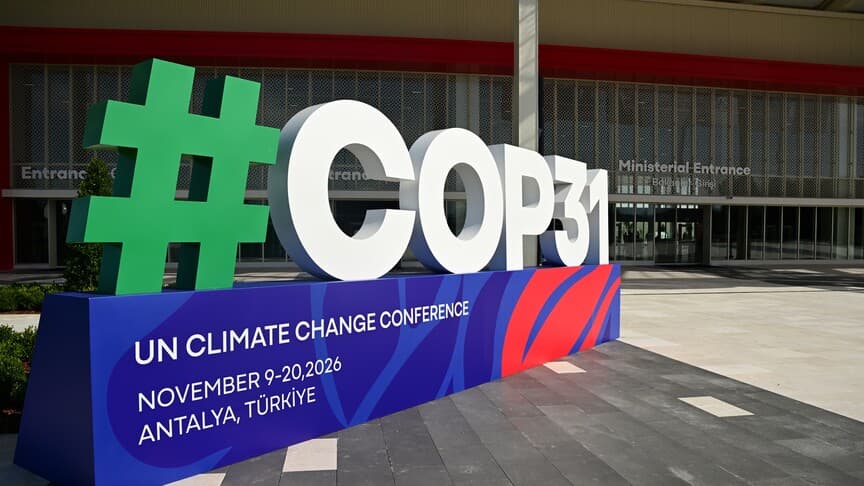
The World Food Programme (WFP) has called for increased anticipatory climate financing to prepare for extreme weather events, as climate change intensifies global food insecurity. The appeal was made by WFP's director for climate and resilience, Richard Choularton, on the sidelines of the UN climate conference COP31 in Antalya.
Shortfall in anticipatory financing
According to Choularton, only 2% of global crisis financing is organised in advance, leaving countries and humanitarian organisations with limited resources to anticipate and mitigate the consequences of climate disasters. He cited figures: 266 million people worldwide currently face acute hunger, and about 88 million of them last year faced food crises primarily because of extreme weather events. “Climate change is making these extreme events more frequent and more severe. They affect more people,” he noted.
Regions at risk
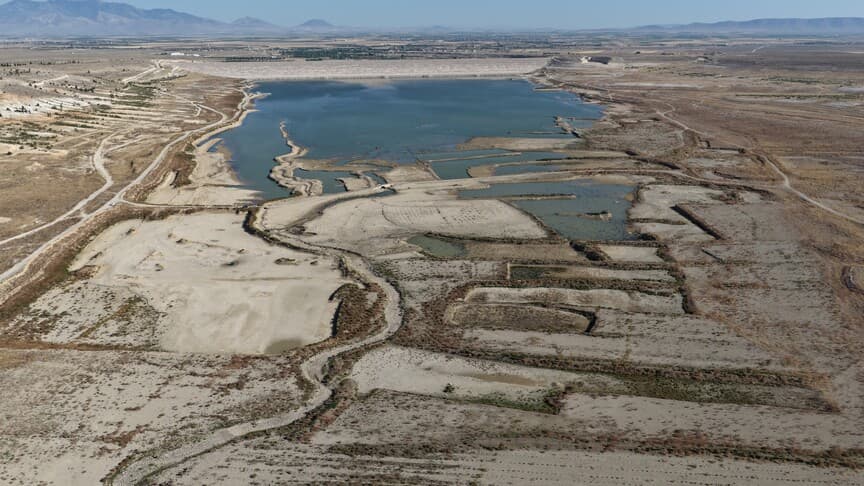
Choularton pointed to the ongoing El Niño phenomenon, which manifests in severe droughts, floods and shifting storm tracks. The greatest damage, he said, falls on regions already facing acute food shortages and malnutrition, often overlapping with conflict zones. He named Sudan, South Sudan, Somalia and Yemen as countries at risk of famine; drought consequences linked to El Niño are already being observed in Sudan, Somalia and South Sudan. “People are already on the edge, they are already struggling to survive, and then they are hit by a new drought, a new flood, a new storm,” he stressed. Additional climate shocks, Choularton explained, can destroy crops and livelihoods, deprive people of income, and lead to the loss of livestock, homes and food stocks.
Experience with anticipatory action
WFP first piloted the anticipatory action approach during the 2015–2016 El Niño, assisting communities based on drought forecasts before the impacts materialised. Since then the programme has expanded significantly: this year it operates in more than 50 countries, has been activated in 18 countries and has already reached 1.5 million people. Choularton noted that governments are increasingly taking preventive measures — repairing irrigation systems, improving drought management and strengthening social protection systems — but this is not enough for the scale of current crises.
Barriers for vulnerable countries and hopes for COP31
Choularton highlighted a paradox in access to climate money: countries with the highest levels of food insecurity often have the least institutional capacity to access climate financing. WFP helps such countries mobilise resources and channel them to vulnerable populations. He also named domestic state revenues as an important source, welcoming the growing number of countries investing in their own resilience and adaptation. At COP31, he said, the tripling of adaptation financing is being discussed, and it matters not only how much money is mobilised but where it is directed and when it becomes available. Choularton welcomed the recommendations in the draft COP31 decision on climate financing, early warning systems and early action, expressing hope that these elements will be preserved in the final text. He also stressed that adaptation must be accompanied by stronger measures to mitigate climate change, adding that the consequences of climate disaster can take years to resolve: poor households need one to three years to return to their pre-crisis level of food consumption.