The key facts
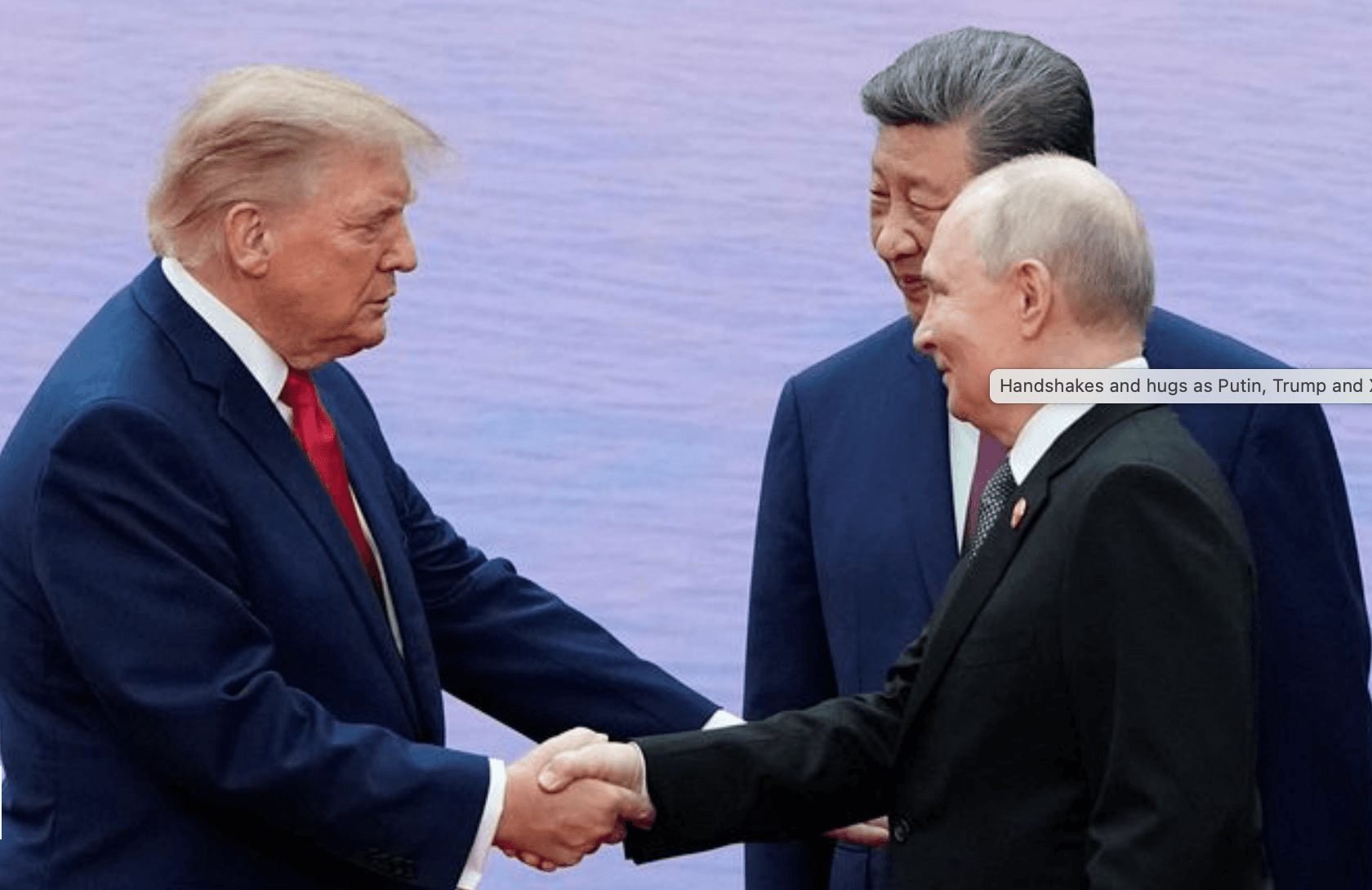
- Trump, Xi and Putin will hold the first-ever trilateral meeting of the three powers on the sidelines of the APEC summit in Shenzhen
- Trump intends to talk about ending the war in Ukraine and is open to separate meetings with Putin and Kim Jong Un, which have not yet been confirmed
- Xi promised tariff cuts and regulatory reform, while Putin said sanctions and tariffs have lost their deterrent effect
Trilateral Meeting on the Sidelines of the APEC Summit
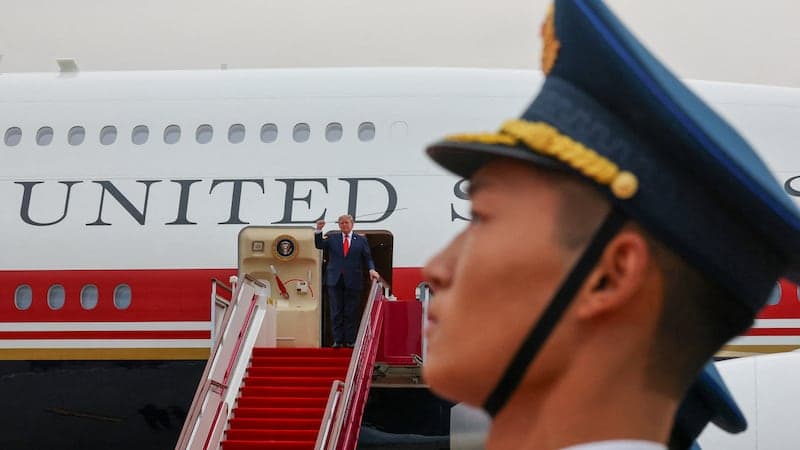
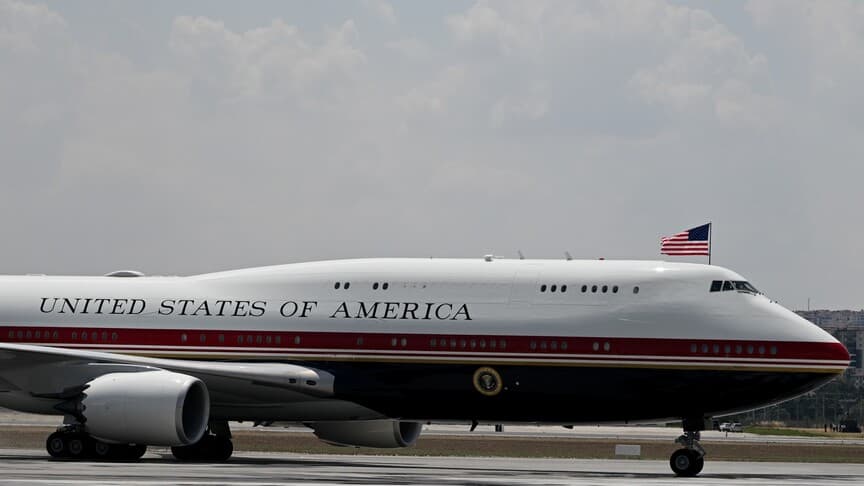
US President Donald Trump arrived in Shenzhen on Wednesday, where the Asia-Pacific Economic Cooperation (APEC) summit is taking place. The forum's culmination on Thursday is to be a trilateral meeting between Trump, Chinese leader Xi Jinping and Russian President Vladimir Putin — the first summit of this format in history between the three world powers.
Protocol and Leaders' Statements
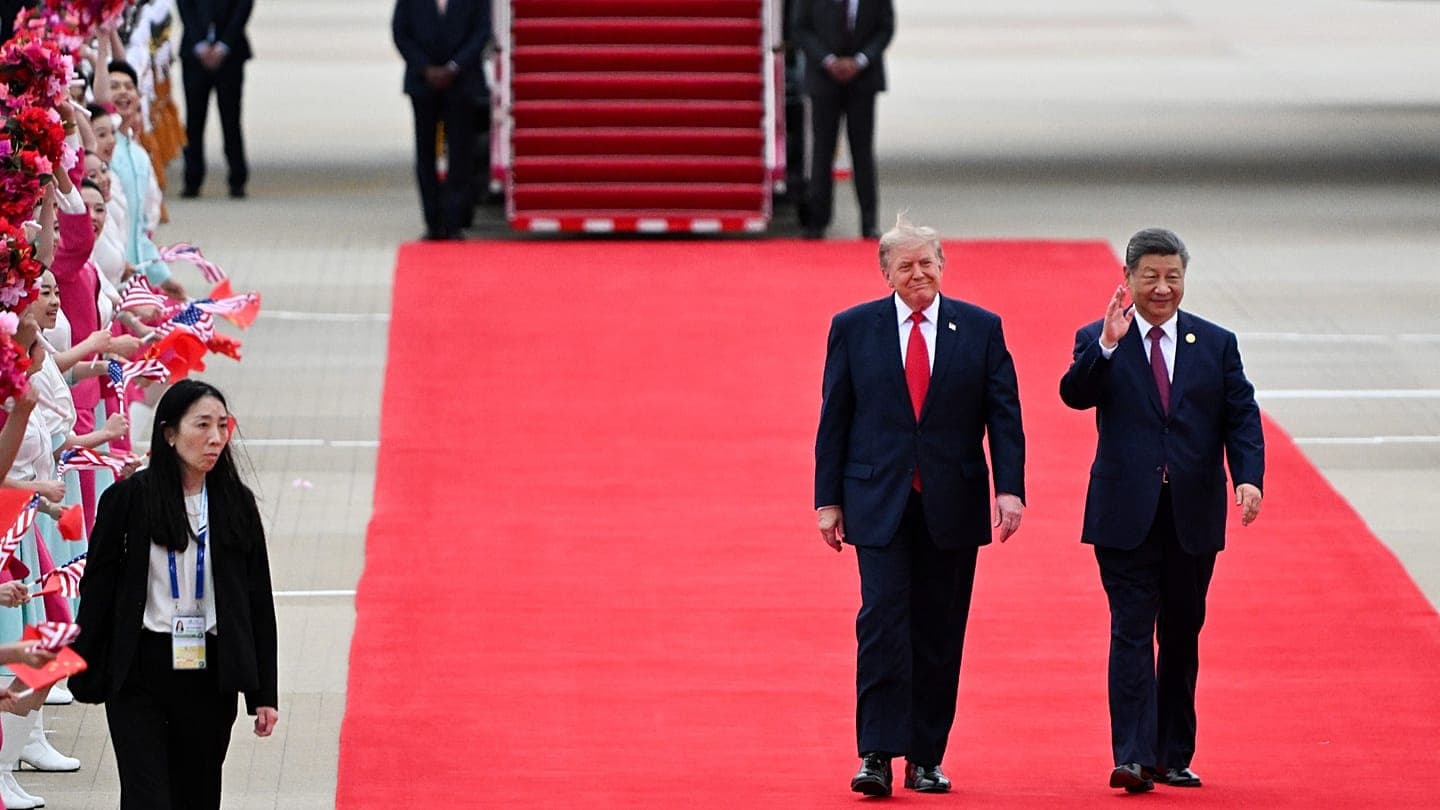
Xi pointedly paid Trump a special honor, greeting him at the airport with hugs — in return for a gesture Trump made during Xi's state visit to Washington in September. When Putin arrived earlier on Wednesday, Xi did not meet him at the airport, despite the two leaders' long-standing positive relations.
Ukraine and Possible Bilateral Meetings
Trump said that at Thursday's trilateral meeting he intends to discuss with Xi and Putin ending Russia's ongoing war in Ukraine. The day before, he said: 'I think it's very close to being finished,' adding: 'We'll have a good meeting on that.' Beijing announced the meeting as an 'in-depth exchange of views on safeguarding world peace and promoting strategic stability in relations between major powers' on the sidelines of the APEC summit, and Putin said he expects a 'very useful' outcome from the summit.
The Forum's Economic Agenda
Speaking at the CEO summit on the sidelines of APEC, Putin criticized 'instruments of economic dominance,' such as sanctions against Russia following the full-scale invasion of Ukraine in early 2022. According to him, 'sanctions, tariffs and export restrictions' have 'outlived their usefulness and largely lost their deterrent effect.' He also noted Russia's desire for closer economic ties with the Asia-Pacific region, which accounts for more than half of its foreign trade.
Xi for Open Trade, Trump for Personal Diplomacy
Xi Jinping, in a speech before business leaders, said the Asia-Pacific region should pursue more open trade and fair growth, promising not only to lower tariffs and expand market access but also to carry out reform 'in difficult areas such as rules, regulation and standards.' APEC leaders called for a more open approach without directly criticizing the US protectionist turn.
Trade Disputes and Unresolved Issues
Trump's 'America First' tariff policy contradicts APEC's goal of creating a free trade zone around the Pacific; US restrictions on China's access to advanced American technologies, including Nvidia AI chips, remain a constant source of tension with Beijing. The tariffs, intended to reduce China's trade surplus, have achieved little: for the second year in a row, China is exporting $1 trillion more in goods than it imports. Responding to journalists' questions about policy on Chinese access to advanced chips, Trump acknowledged disagreements within his administration and remarked: 'We have a very good relationship with China, and you don't want to insult it.'