The key facts
- For the first time, leaders of Russia, China, and the US will hold trilateral talks in Shenzhen
- Zelenskyy fears the meeting could become a 'Yalta 2, 3, 4' involving a redrawing of spheres of influence
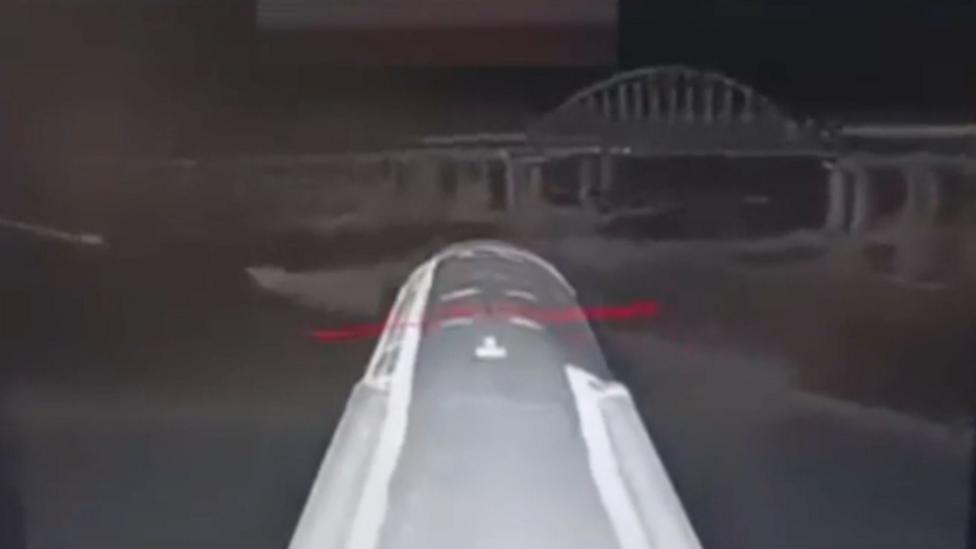
- Just before the summit, a Ukrainian strike severely damaged the Crimean Bridge
Negotiations have not yet begun, but the Kremlin is already counting this as a point in its favour
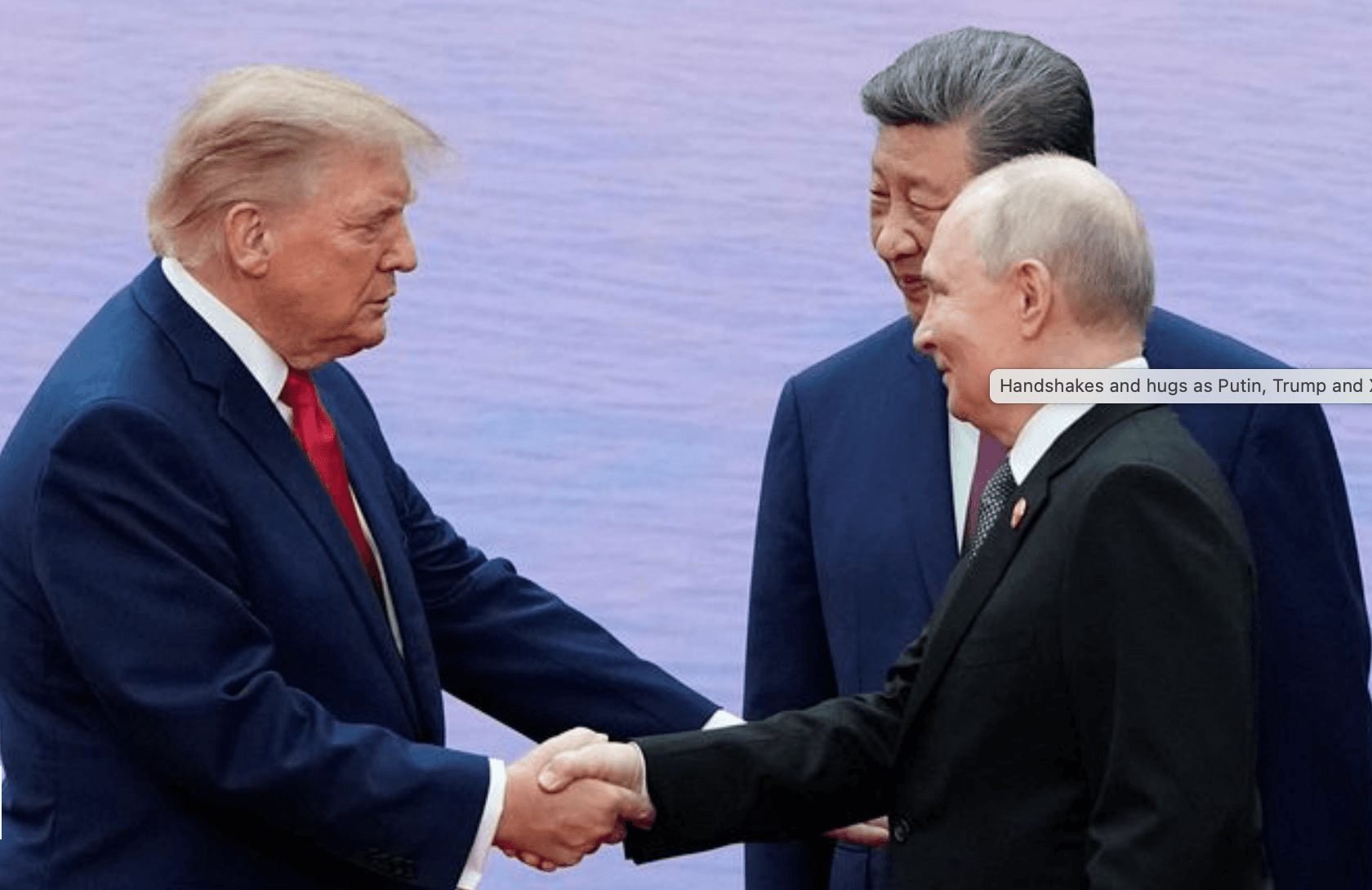
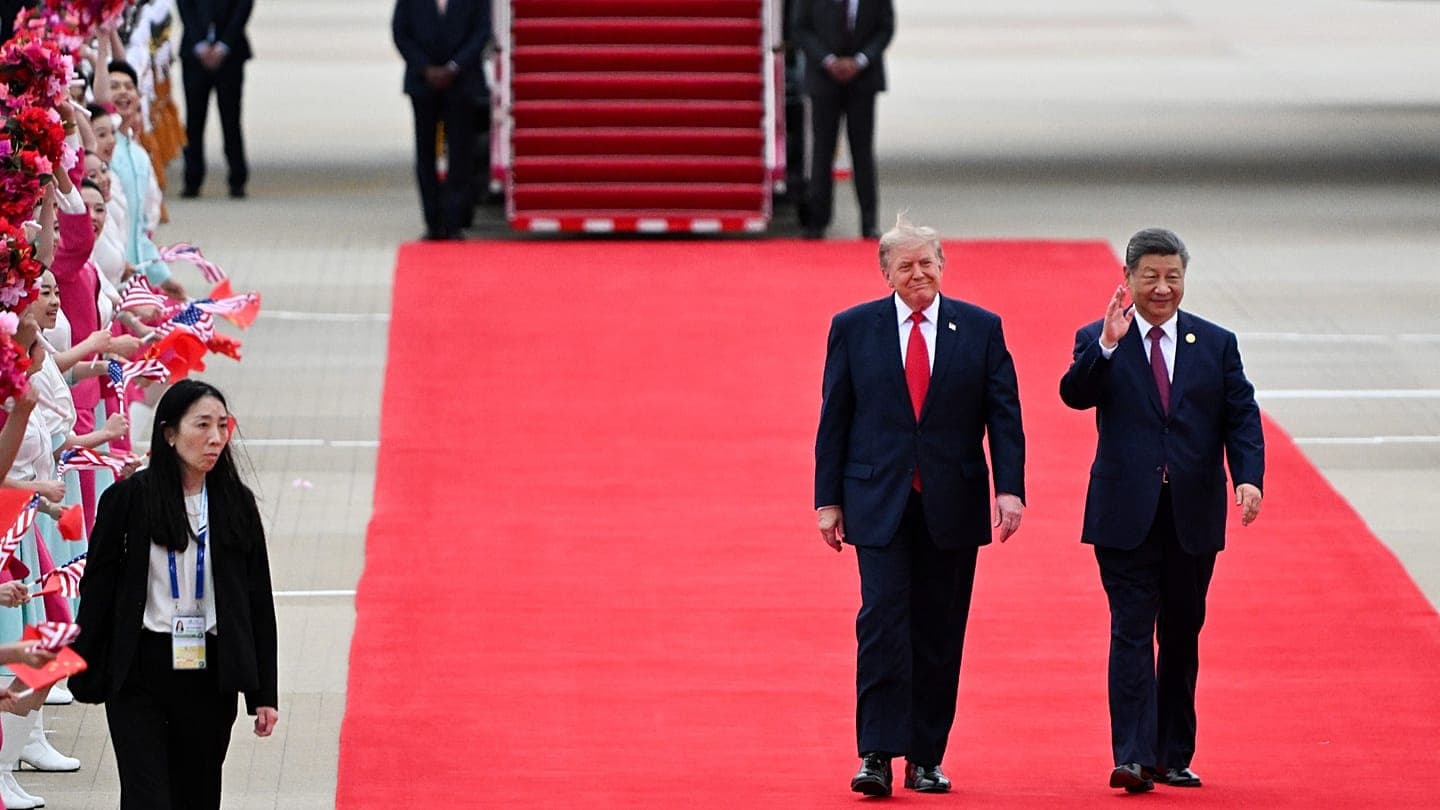
Shenzhen is preparing for the first-ever trilateral meeting of Vladimir Putin, Donald Trump, and Xi Jinping — the leaders of Russia, China, and the US will sit down together at the table, without any other participants. BBC Russia correspondent Steve Rosenberg writes that the summit 'already looks like a victory for the Kremlin', regardless of its outcome: after the full-scale invasion of Ukraine in 2022, Putin was an international pariah, but now he has returned to the very top of global politics.
What Putin says and what Kyiv fears
Speaking at the APEC business forum, Putin described attempts to isolate Russia as 'unsuccessful' amid 'unprecedented sanctions pressure'. The Kremlin considers the trilateral meeting in Shenzhen to be the main event: it allows Putin to play the role of a world statesman while the Russian army continues to shell Ukrainian cities and the Kremlin rejects the idea of an unconditional comprehensive ceasefire. Trump has already stated that he wants to discuss his 'favourite topic' — the war in Ukraine — in Shenzhen; for the Kremlin, this is an opportunity to present its position to Trump and Xi without Ukrainian or European representatives in the room. Ukrainian President Volodymyr Zelenskyy previously expressed concern that the meeting could repeat the Yalta Conference of 1945: 'We really do not want this to turn into a 'Yalta 2, 3, 4' with a redrawing of spheres of influence,' BBC quoted him as saying. It remains unclear whether China intends to include the war in Ukraine on the agenda: in official statements, Beijing speaks generally about 'protecting peace and strategic stability'.
Optics versus reality on the front line
Rosenberg emphasises: one short meeting is unlikely to change the world — the key here is precisely the 'optics', the image of three leaders from three major powers. But a diplomatic victory does not equal a military one: nearly five years after the start of the 'special military operation', Russia still cannot win the war and is suffering enormous losses on the battlefield. Just before the summit, a Ukrainian strike on the bridge connecting Russia with annexed Crimea seriously damaged part of the multi-billion-dollar structure — according to BBC estimates, this is a blow to Moscow's prestige and a reminder that the 'special operation' is not going according to plan. The summit will give Putin a bigger stage and a bright spotlight, but it will not necessarily bring him closer to victory in the war.
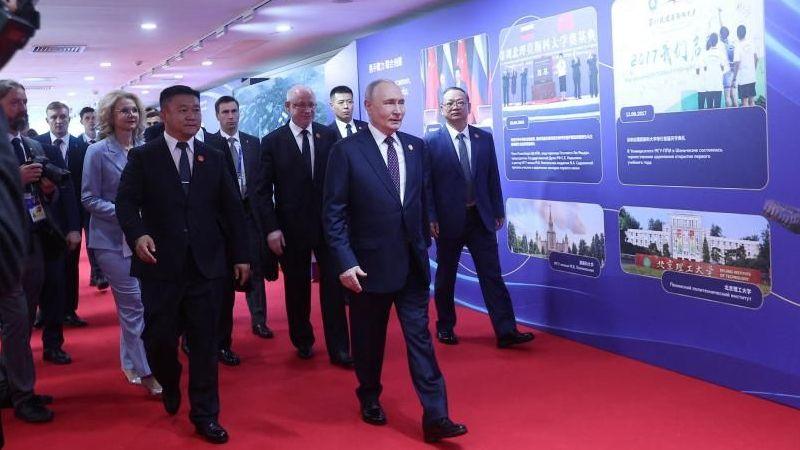 Image source, Reuters
Nearly five years after the full-scale invasion of Ukraine turned him into a pariah, Putin is back on the global stage