The key facts
- Peru declared a 60-day state of emergency in early November to prepare for El Niño
- The government approved more than 8 billion soles ($2.35 billion) for response, but the minister expects additional spending
- Peru and Turkey are close to signing a bilateral agreement on climate cooperation
A call to developed countries amid a dual threat
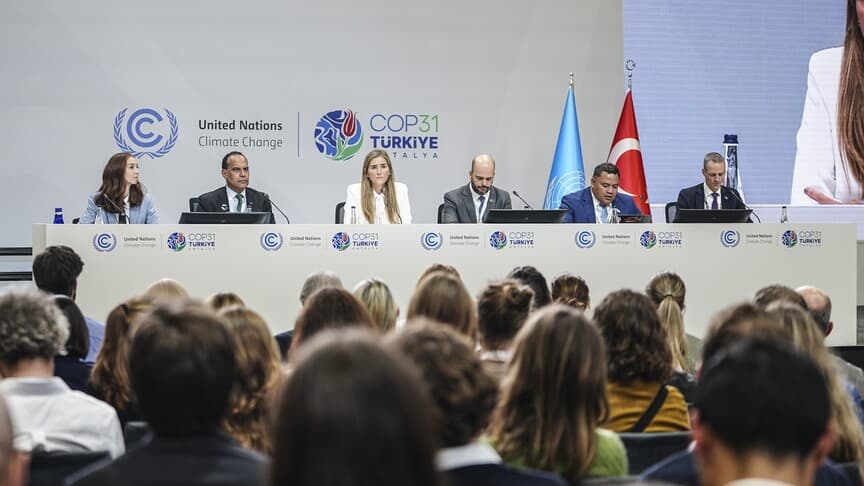
Peru's Environment Minister Vladimir Wuruk said on the sidelines of the COP31 climate summit in Antalya, Turkey, that Peru's appeal is directed primarily at developed countries: they must show greater engagement and allocate more resources so that states suffering from the consequences of climate change can implement projects with results in the short term. 'We need financing, greater access to technology and stronger support,' the minister said in an interview with Anadolu.
State of emergency and allocated funds
In early November, Peru declared a 60-day state of emergency across much of the country to prepare for the possible consequences of El Niño, which, according to scientists, could have 'extremely catastrophic consequences.' The regime is aimed primarily at preventing damage and easing the situation of families in high-risk zones — in ravines and river valleys. The government approved more than 8 billion soles (about $2.35 billion) for the response, but Wuruk noted that, given the possible scale of the damage, additional resources will likely be required. He also warned of risks beyond the northern coast: drought in the southern highlands and heavy rains in the Amazon region.
Recovery will require international assistance
According to the minister's estimate, thousands of schools and thousands of medical centers will be affected, so international assistance will be needed for recovery in the coming years. Wuruk emphasized that the experience of natural disasters has helped Peru develop preparedness mechanisms — more than 500 El Niño events have been recorded in the country's history — but the combination of global warming and El Niño increases the strain on the country.
Energy transition and bilateral agreement with Turkey
The minister noted that countries have set ambitious goals for reducing the consequences of global warming, but the energy transition is proceeding unevenly: some states are moving faster thanks to financial and technological resources, while others remain dependent on oil. Replacing hydrocarbons with other energy sources, in his words, will take several more decades. In addition, Wuruk said that Peru and Turkey are close to signing a bilateral agreement on climate change cooperation: 'This visit provides a good opportunity to finalize the work, and we are fully ready to sign it in this context.'