The key facts
- Pakistan's mango exports fell from 123,000 to 78,000 tonnes (-36%)
- Freight rates rose from $1,000–1,400 to $8,000, with the Strait of Hormuz nearly closed
- Export revenue fell from about $100 million to $60 million
Sharp drop in exports
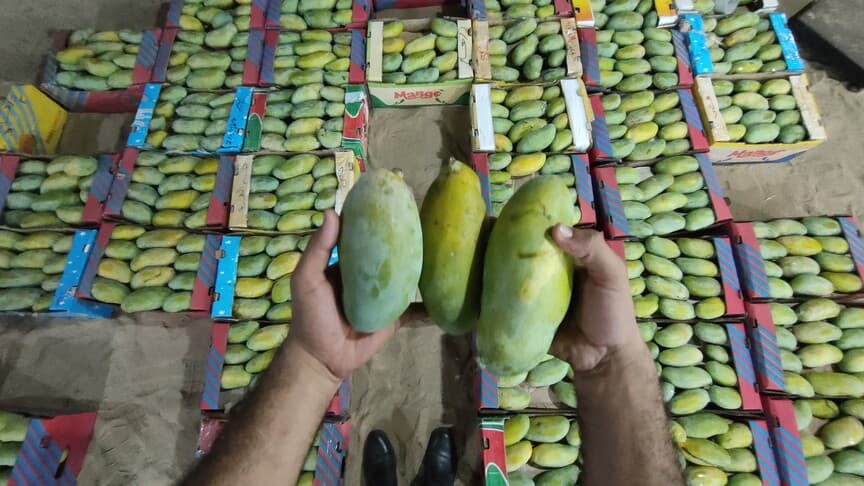
Pakistan's mango exports this year fell by 36% amid the war between the US and Iran, which disrupted sea routes and sharply raised shipping costs. According to the All Pakistan Fruit and Vegetable Exporters Association, the country exported 78,000 tonnes of mangoes, down from 123,000 tonnes a year earlier. The Anadolu agency reported this.
The Middle East — the hardest-hit market
Shipments to the Middle East, a key market for Pakistani mangoes, fell from 36,000 tonnes to 14,500 tonnes. Association head Waheed Ahmed told Anadolu that export revenue dropped from roughly $100 million to $60 million. He cited the month-long near-total blockade of the Strait of Hormuz and rising freight rates as the main reasons: before the war, shipping cost $1,000–1,400, but now it is $8,000. The longer route also hurts perishable products such as mangoes.
Who and what is at risk
The main Middle Eastern destinations are the UAE and Oman, which receive the Chaunsa variety especially prized internationally, followed by Saudi Arabia; Kuwait and Qatar also import significant volumes. A separate factor has been the frequent closures of the border with Afghanistan amid strained relations between the countries, which also disrupted supplies there. The industry's problems are not limited to the conflict: until 2018, Pakistan produced 1.9 million tonnes of mangoes a year, ranking sixth in the world after India, China, Thailand, Indonesia and Mexico, but production has declined over the past four years — the association links this to global warming and estimates cumulative losses from climate change at 35% of the harvest.