The key facts
- The agreement will cut the permitting time for most energy infrastructure projects from five to ten years down to six months
- Jørgensen: prices will not normalize quickly, a 'difficult winter' lies ahead
- Sweden opposes reallocating grid payment funds to other EU countries
Permit deal: from ten years down to six months
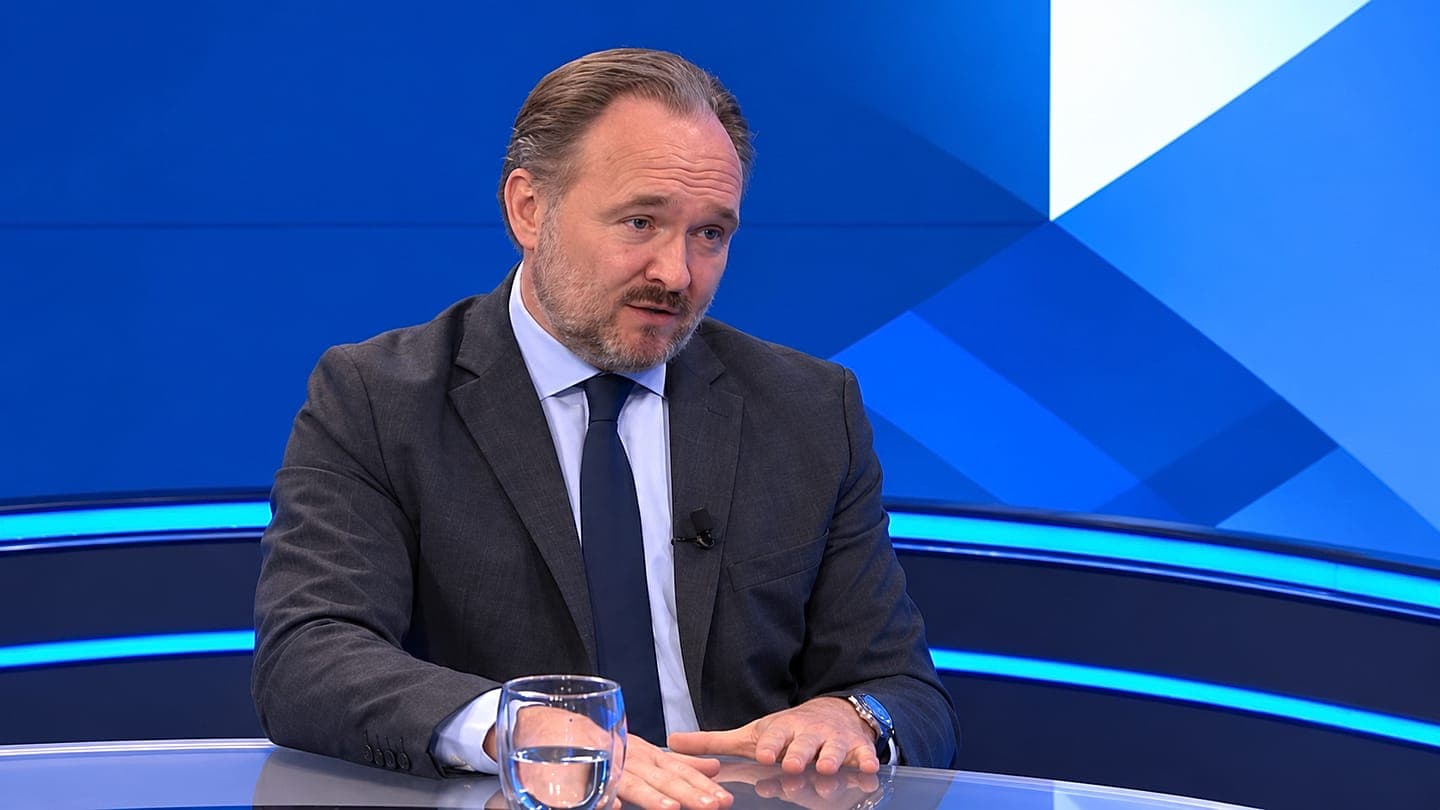
The European Parliament and the EU Council on Wednesday agreed on a deal that is meant to shorten the time it takes to issue permits for energy infrastructure and 'clean' electricity: for most projects, the target is six months. According to EU Energy Commissioner Dan Jørgensen, obtaining permits today can take five years or even a decade, making lengthy procedures one of the main barriers to electrification. He spoke about this on Euronews.
Why Brussels wants electrification
The Commissioner presented the deal as a major step toward integrating renewable electricity into the energy system and moving consumers from gas and oil to electricity: electric vehicles, heat pumps, infrastructure upgrades. 'The main way to bring prices down is to deploy more renewables, because they are cheaper than the fossil alternative,' Jørgensen said. According to him, cross-border electricity interconnections already save Europe more than €30 billion a year, and the potential for further savings is considerably greater.
Fast permits do not mean cheap electricity
Critics point out that speeding up permitting will not, by itself, make electricity cheaper: infrastructure is underinvested, and grid expansion will still have to be paid for. Moreover, EU countries are still discussing the European Commission's proposal on tariff rules, and disagreements have emerged around it: Sweden is firmly objecting, arguing that Brussels will redirect money, paid by Swedish electricity consumers and grid operators, to finance power grids in other parts of Europe rather than for Stockholm's benefit.
Warning of a difficult winter
Despite the agreement on permitting, it will not lower energy prices in the short term. Against the backdrop of tensions in the Middle East threatening supplies and markets, Jørgensen warned that Europeans should not expect a quick return of prices to normal even if the geopolitical situation stabilizes: 'We do not even know whether they will fall... even if the situation normalizes, prices will need months to normalize.' He urged consumers to switch from gas and oil boilers to heat pumps, replace internal combustion engine cars with electric vehicles, and improve home insulation, adding: 'We will, unfortunately, definitely have to prepare for a difficult winter.'
Support in Parliament
Member of the European Parliament Niels Fuglsang (S&D, Denmark), the lead rapporteur on this file,called the agreement to speed up permitting 'a very important step': in his words, it will allow renewable energy and grid infrastructure to be deployed faster for the benefit of citizens, climate change mitigation, and the EU's competitiveness.