The key facts
- Simon Watts called for “tangible outcomes and action” at COP31 in Antalya
- New Zealand supports the “35 by 35” electrification goal and sees “strong progress” in converging positions with Turkey
- Inclusion of oceans in the final COP31 decision is one of the country's key negotiating priorities
New Zealand's priorities at the Antalya conference
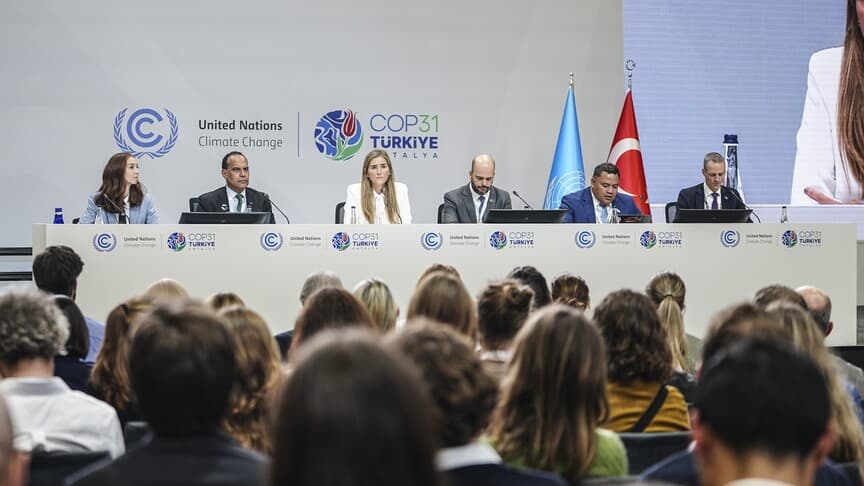
New Zealand's Climate Change Minister Simon Watts, in an interview with the Turkish Anadolu agency on the sidelines of the UN climate conference COP31 taking place in Antalya, said that his country's main priority is “tangible outcomes and action”. According to him, it is important that the agreements reached are implemented “on the ground” and deliver benefits, above all, to the countries of the Pacific.
Electrification and geothermal energy
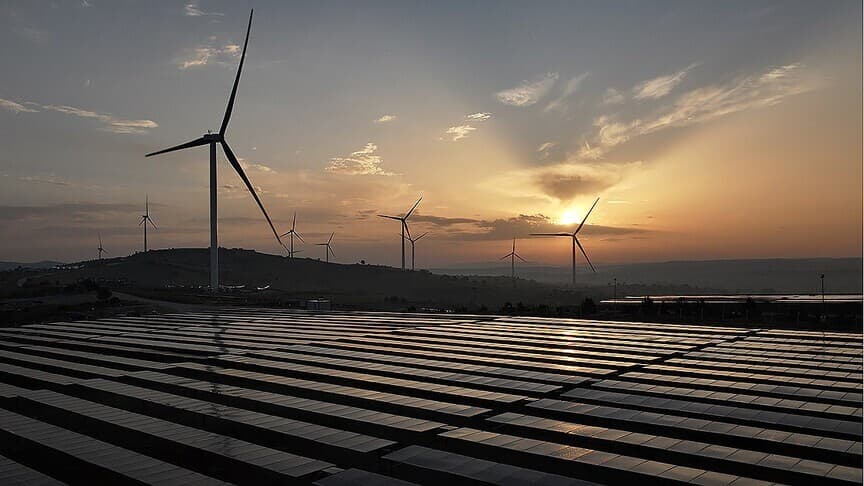
Watts reported “really strong progress” in bringing countries' positions closer together on electrification and called the “35 by 35” goal an important task, highlighting Turkey's leadership role in this area. New Zealand, he said, remains an active supporter of this goal and hopes for broader support. He named geothermal energy as another area of shared interest between the two countries: both are already exploring its potential for electricity generation.
Adaptation finance and oceans
The minister noted that the rising cost of living, fuel security problems and the consequences of climate change, including El Niño, affect economies around the world, and emphasized the role of developed countries in supporting developing ones. He recalled a joint visit with the Turkish COP leadership to Tuvalu, which, according to him, demonstrated the scale of adaptation challenges and the need for financial resources to implement planned investments. “We can be proud of the progress we are making. There is still much to be done,” Anadolu quoted him as saying.
Oceans in the final document
Among New Zealand's key negotiating priorities, Watts named the inclusion of oceans in the final COP31 decision. He emphasized their role in the context of global warming and carbon sequestration, and noted that, in his observation, this topic has so far received insufficient attention, even though it has serious implications for the fight against climate change. According to him, the Turkish presidency also considers this a priority. He expressed confidence in the conference's success, based on the fact that it is being held “under Turkey's leadership with Australia's support.”