The key facts
- UNCCD COP17 was held in Ulaanbaatar from August 17 to 28, 2026 — the first time in East and Central Asia
- 34 decisions were adopted on rangelands, land tenure, sand and dust storms, and resource mobilization
- The Government of Mongolia announced a portfolio of 45 projects in 23 countries worth ~$1.3 billion; drought negotiations were deferred to COP18 in Egypt in 2028
The Ulaanbaatar conference and its scale
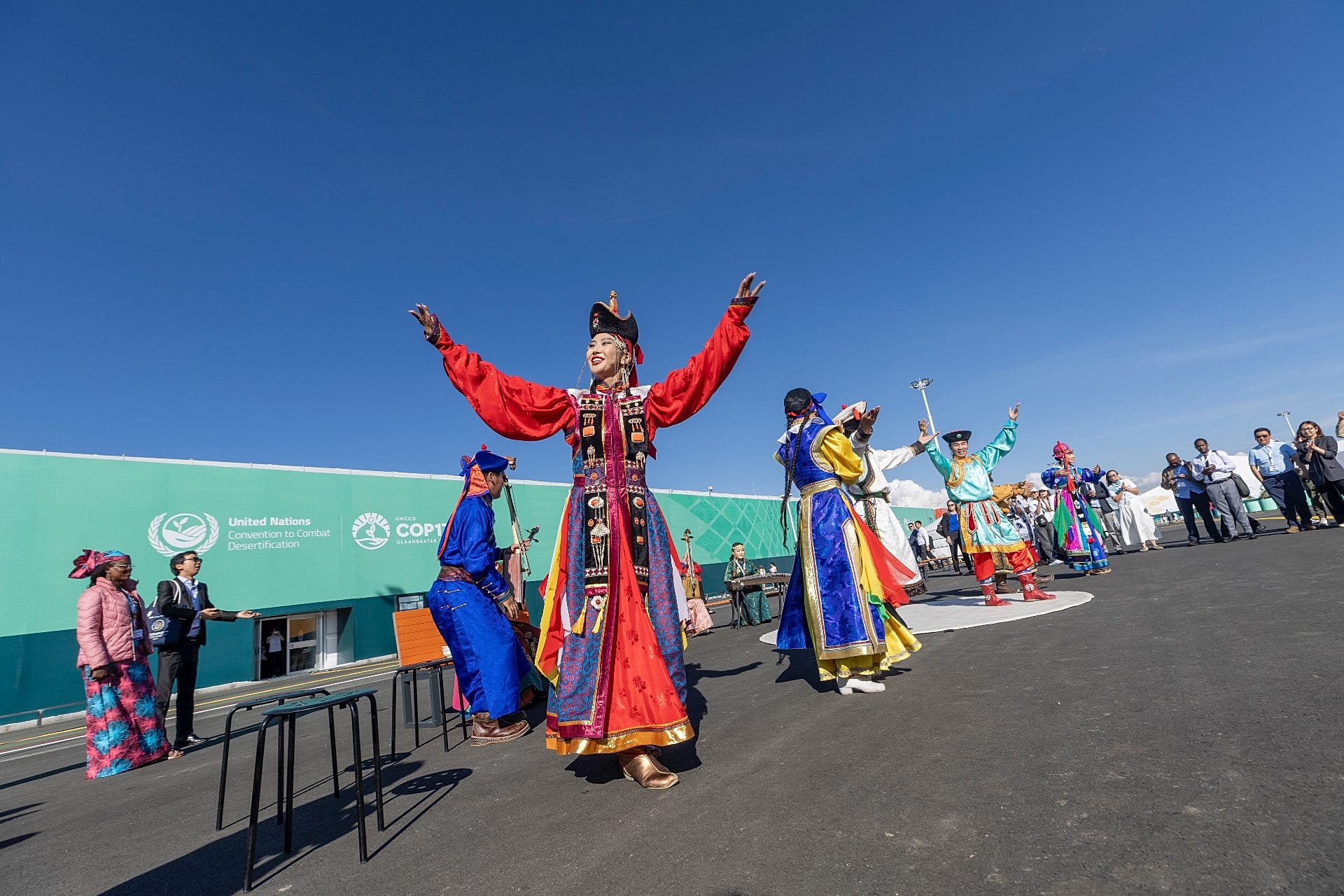
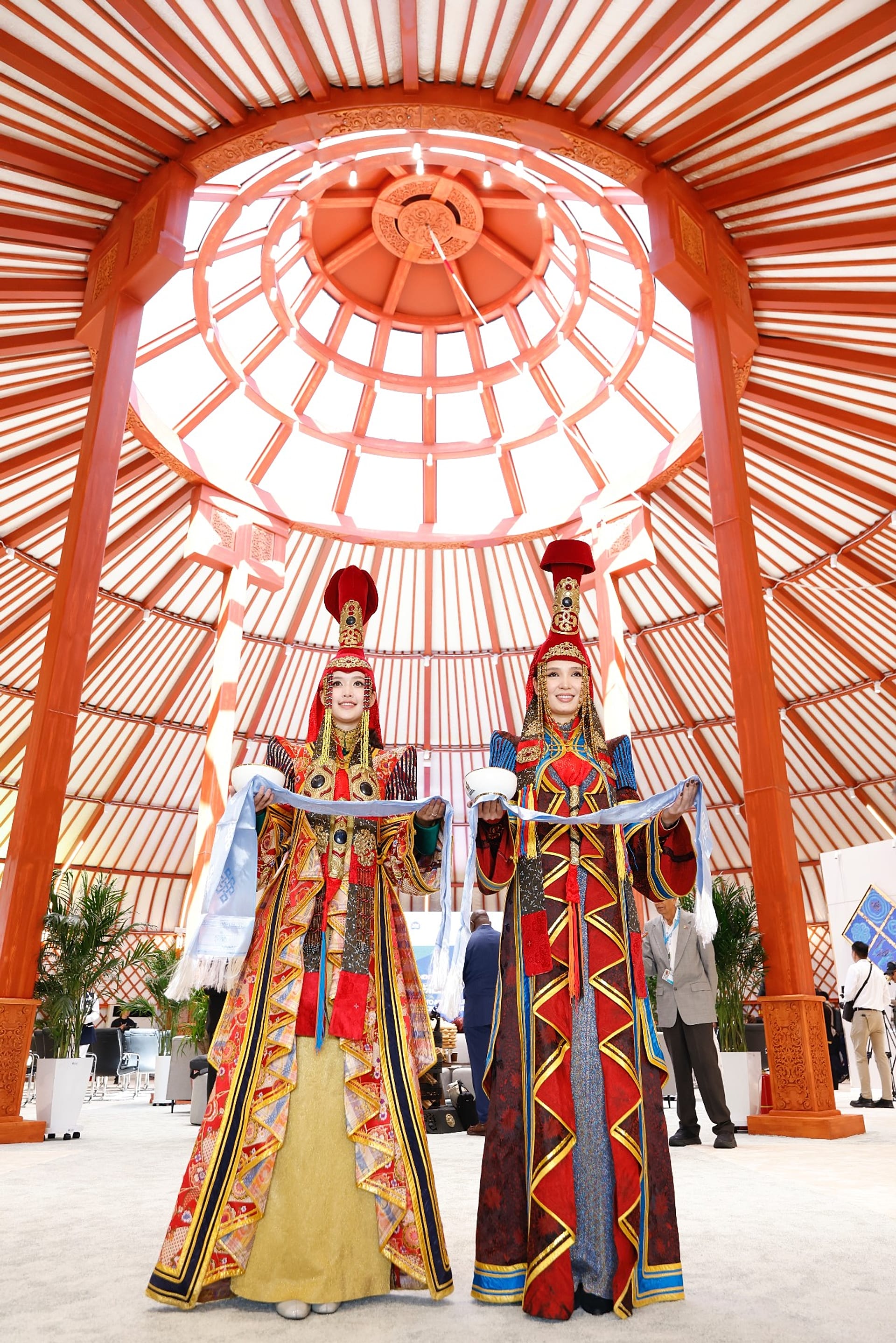
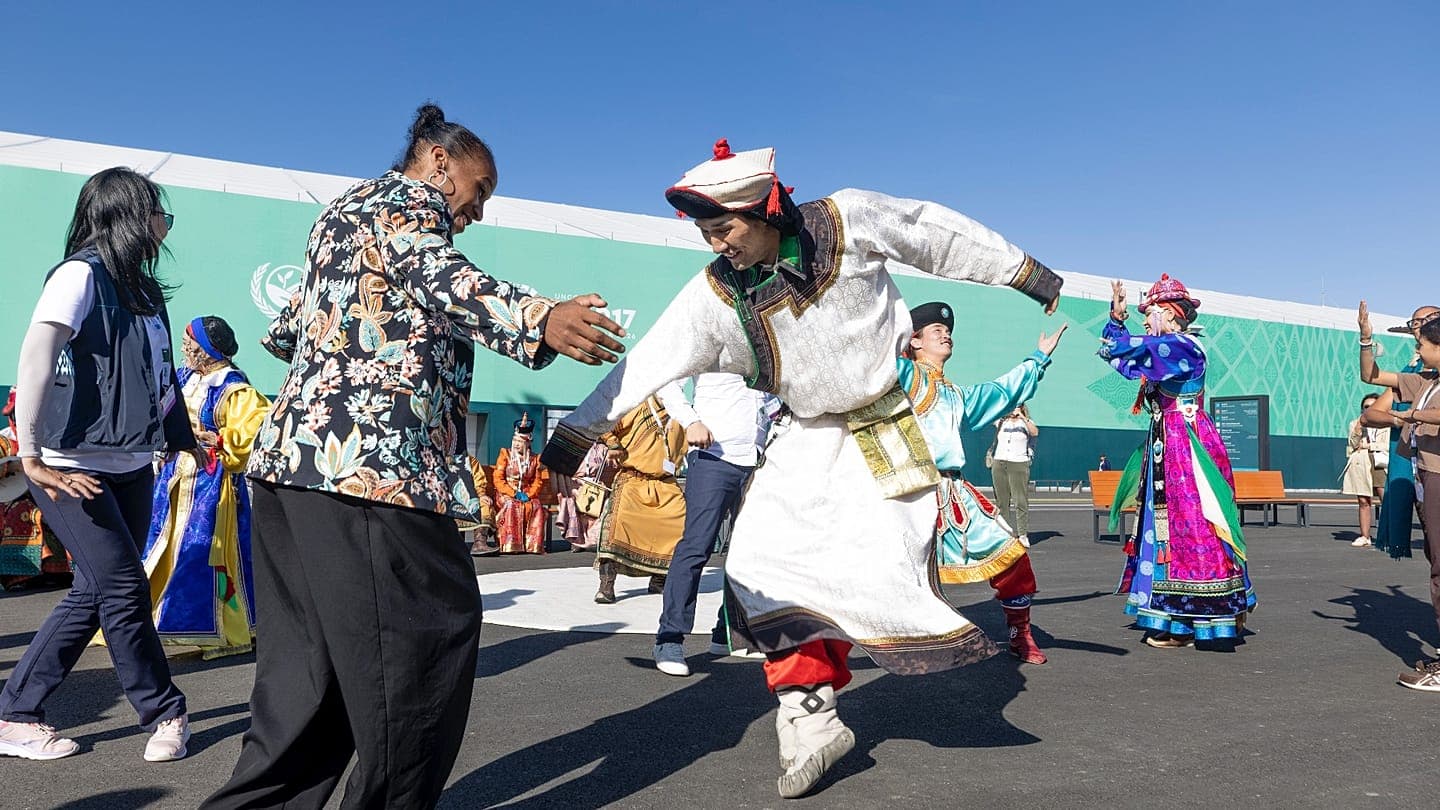
From August 17 to 28, 2026, Mongolia hosted in Ulaanbaatar the 17th Conference of the Parties to the UN Convention to Combat Desertification (UNCCD COP17) under the motto 'Restore the land. Restore hope.' It was attended by delegates from all 197 parties to the Convention, as well as representatives of business, science, and civil society. The country became the first organizer of such a conference in East and Central Asia. According to UNDP, about 77% of Mongolia's territory is degraded, which made the conference theme a matter of direct national importance. The organizational work was led by State Secretary of the Ministry of Environment and Climate Change Batbayar Shurencuulun: the number of participants exceeded 10,000 people — twice the initially expected figure, and the support effort involved more than 400 UN volunteers together with the national organizing committee and the Mongolian Red Cross.
Decisions and initiatives
With the support of Mongolia's presidency, the conference adopted 34 decisions — on sustainable rangeland management, land tenure security, sand and dust storms, and resource mobilization. The Rangelands Flagship Initiative was also launched, aimed at increasing investment in these landscapes. The conference took place within the framework of the International Year of Rangelands and Pastoralists, an initiative whose observance Mongolia itself had championed. State Secretary Batbayar presented the country's domestic targets at thematic sessions: by 2030, to place 30% of the territory under special state protection, and by 2050 — 35%.
Outcomes and what remained unresolved
In its final assessment, the Government of Mongolia highlighted a portfolio of 45 projects on land restoration, rangelands, and drought resilience in 23 countries with a total value of about $1.3 billion. This is a project pipeline: their implementation depends on financing and execution. On rangelands, the conference had global significance — they cover about 54% of the land area and provide livelihoods for approximately 500 million pastoralists. A number of issues, including drought, remained unresolved: negotiations on them will continue at COP18 in Egypt in 2028.