The key facts
- Katz said Israel will not retreat from the current lines of the 'security zones' in Lebanon, Syria and Gaza
- He named as conditions for withdrawal the demilitarization of Gaza, the disarmament of Hezbollah and the elimination of threats from Syria
- According to Anadolu, Israel controls about 70% of the Gaza Strip, as well as territories in Lebanon and Syria
Threat to expand the 'security zones'
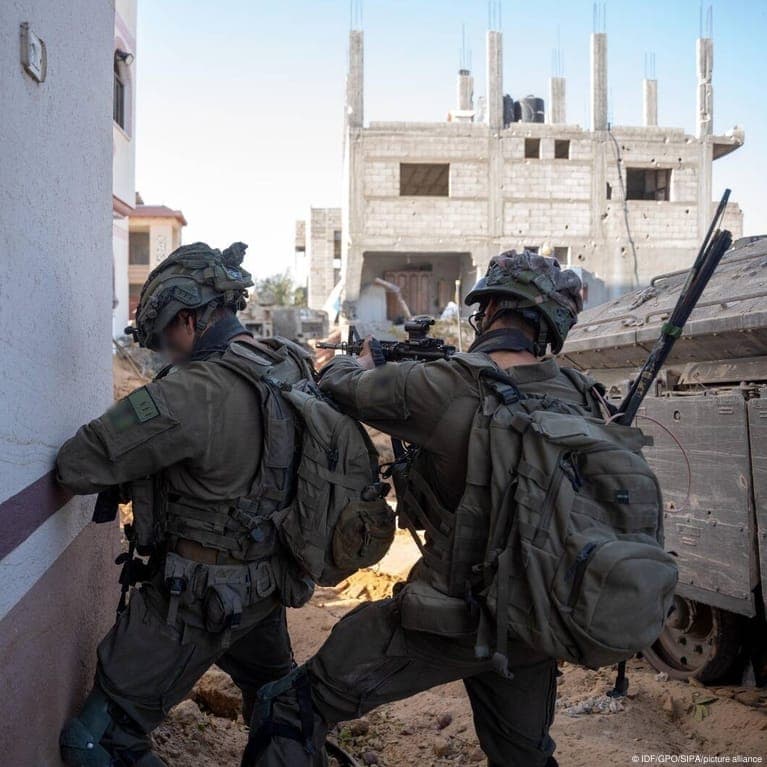
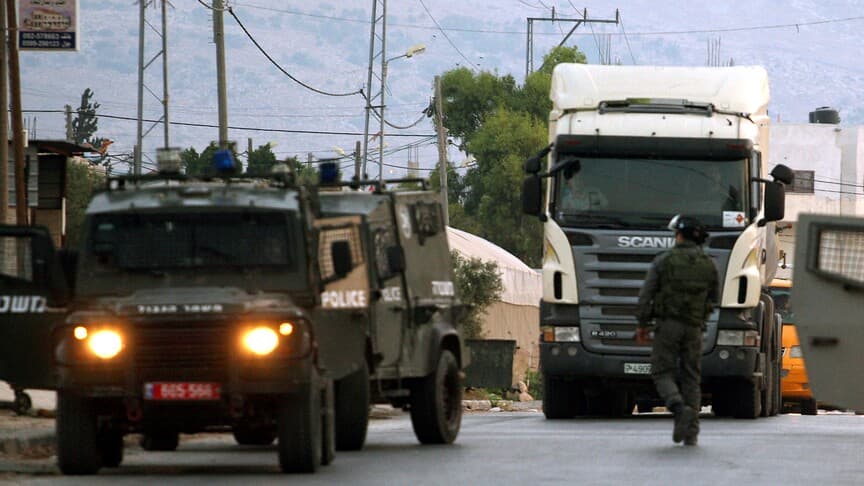
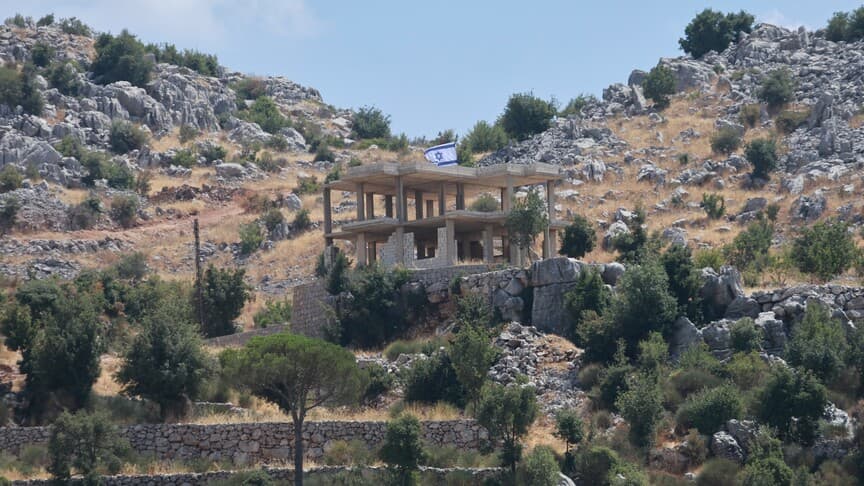
Israeli Defense Minister Israel Katz said on Wednesday that if tensions rise on various fronts, the army is 'fully prepared to seize additional territories, evacuate local residents and incorporate them into Israel's permanent security perimeter.' The report comes from the Turkish news agency Anadolu. According to Katz, the Israeli army continues to maintain control over the 'security zones' in Lebanon, Syria and the Gaza Strip.
Current control and conditions for withdrawal
Katz stressed that Israel 'will not retreat from the current lines of these security zones and will not redeploy its forces.' According to Anadolu, Israel occupies about 70% of the Gaza Strip, as well as territories in Lebanon and Syria, some of which have been held for decades. The minister tied any withdrawal to three conditions: the dismantling of the Palestinian group Hamas and the demilitarization of the Gaza Strip, the disarmament of the Lebanese group Hezbollah throughout Lebanon, and the elimination of what he called 'all jihadist threats' emanating from Syria.
Context: expectations of a new war with Iran
Statements by Israeli officials, including Katz, reflect expectations of a possible escalation, primarily in Gaza and Lebanon, should Israel enter a new confrontation with Iran. According to the agency, warnings are mounting inside Israel that interim Prime Minister Benjamin Netanyahu is actively seeking to resume the war with Iran in the hope of staying in power. Leaders of the Ha-Shinui ('Change') bloc, whose head Gadi Eiskot received the mandate to form a new government, claim that Netanyahu is pushing for a state of emergency in order to impose the formation of a national unity government with his own participation.
Netanyahu's position
Anadolu recalls that Netanyahu has led an ultra-right-wing government since the end of 2022, which is described as the most extreme in Israel's history. He is on trial on corruption charges that could lead to imprisonment in the event of a guilty verdict, and since 2024 he has been wanted by the International Criminal Court on suspicion of war crimes in the Gaza Strip. The defense minister's statement remains a declaration of intent: which specific territories may be at issue, and within what timeframe, the sources do not specify.