The key facts
- Videos of the July 20 protests, cartoons and materials about the RSS are being restricted in India, often without notifications
- Amendments adopted in February 2026 shortened the deadline for removing content at authorities' request from 36 to 3 hours
- The Indian government denies censorship, saying it acts only against 'unacceptable content'
What is happening
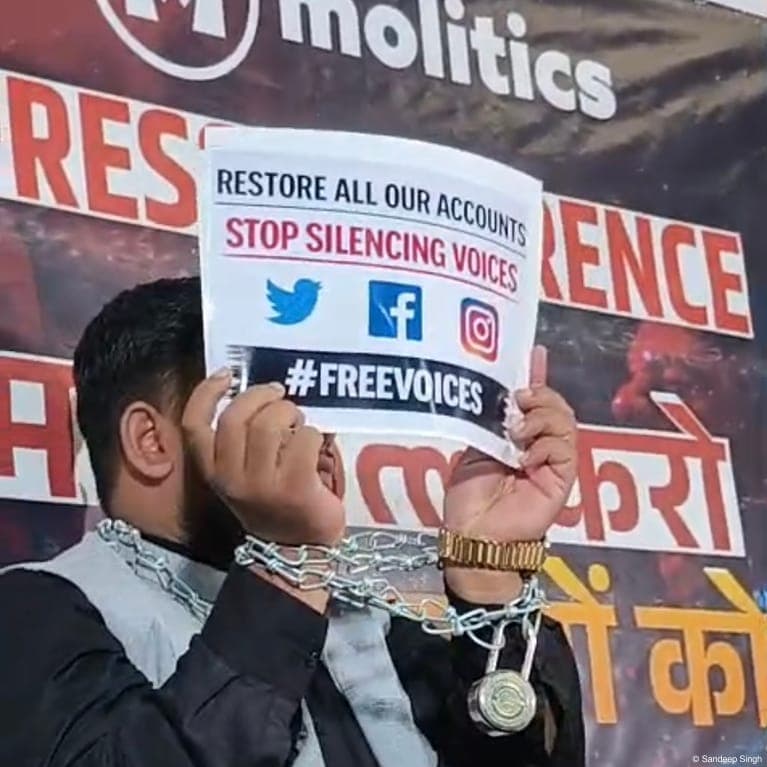
In India, social media users report a growing number of content restrictions following the July protests of the Cockroach Janata Party (CJP) movement. Among the blocked materials are a video by journalist Sadhika Tiwari featuring a crying girl describing police brutality on July 20 in New Delhi, which gained about 10 million views before being blocked; a video about the role of the Hindu organization RSS in the BJP's 2014 election victory; and satirical cartoons about Narendra Modi's government.
Who was affected by the restrictions
Blogger CitySavitri, who had started her account only two months earlier and had about 600 followers, said her first video about the RSS was restricted in India within an hour of publication; in total, three of her videos were restricted. Cartoonist Satish Acharya said Instagram blocked his profile twice. In May 2025, during the India-Pakistan conflict, the X account of the independent outlet Maktoob Media was hidden in India without official notification — readers told the editorial team about the block; access was restored a few days later, also without explanation. On November 16, without warning, the accounts of blogger Madhri Kakoti (Dr. Medusa) and satirist Shamita Yadav were restricted.
How the system works
A key role is played by the IT Rules of 2021, whose amendments came into force in February 2026: platforms are required to remove or restrict access to specified unlawful content within three hours of receiving a court order or a reasoned government notice — previously the deadline was 36 hours. Non-compliance risks losing safe harbor protection from liability for third-party content under Section 79 of the IT Act. The Sahyog portal coordinates takedown requests between law enforcement agencies, platforms and telecom operators. Lawyer Pranesh Prakash noted that the amendments allow the police to notify platforms of 'unlawful' content without a formal complaint or judicial process, and called the situation the worst period of social media censorship in India's history.
Vulnerability testing and the parties' positions
The organization SFLC.in tested X's verification procedure by submitting a request to delete its own post from a fake email address — the request was accepted. After the organization's appeal, X introduced email confirmation codes for those submitting requests. Meta said it uses automated tools to review content and restricts access to individual materials in India in accordance with the IT rules. The government denies censorship: in August, IT ministry representative Vinod Kumar said that posts by students and protesters are 'not being removed, as claimed,' and that the authorities act only against 'unacceptable content.' Human rights defenders, including Human Rights Watch, warn that the expansion of restrictions could suppress freedom of speech and encourage self-censorship. Tiwari links the blocks to an effort to erase evidence of the July 20 events, which the Delhi police deny.