The key facts
- Haiti's Council of Ministers approved a cooperation agreement with El Salvador
- Since late October, Bukele has sent more than 2,000 troops to Haiti
- The UN recorded 4,595 dead and 2,050 injured in the first 10 months of 2026
The agreement and street support
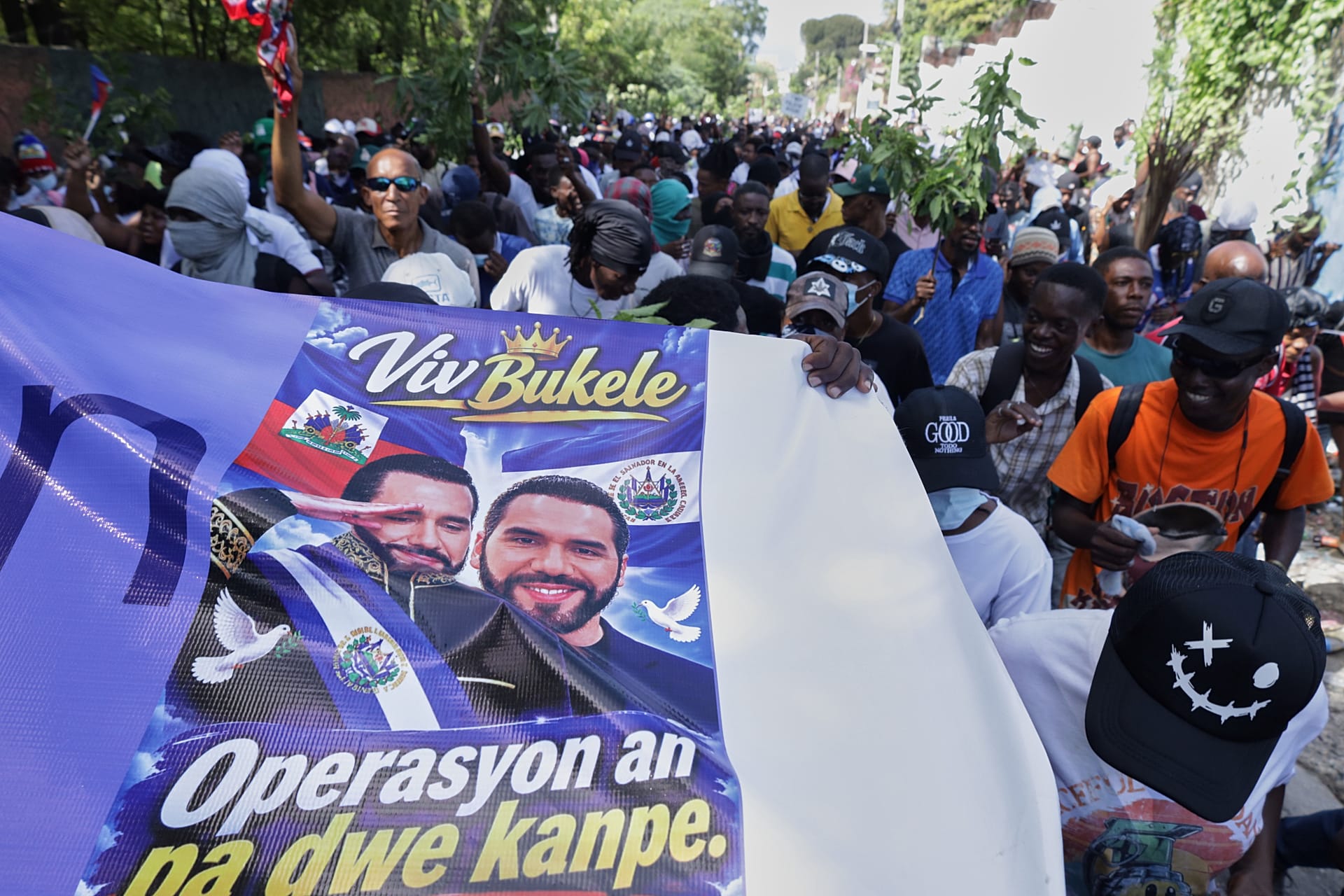
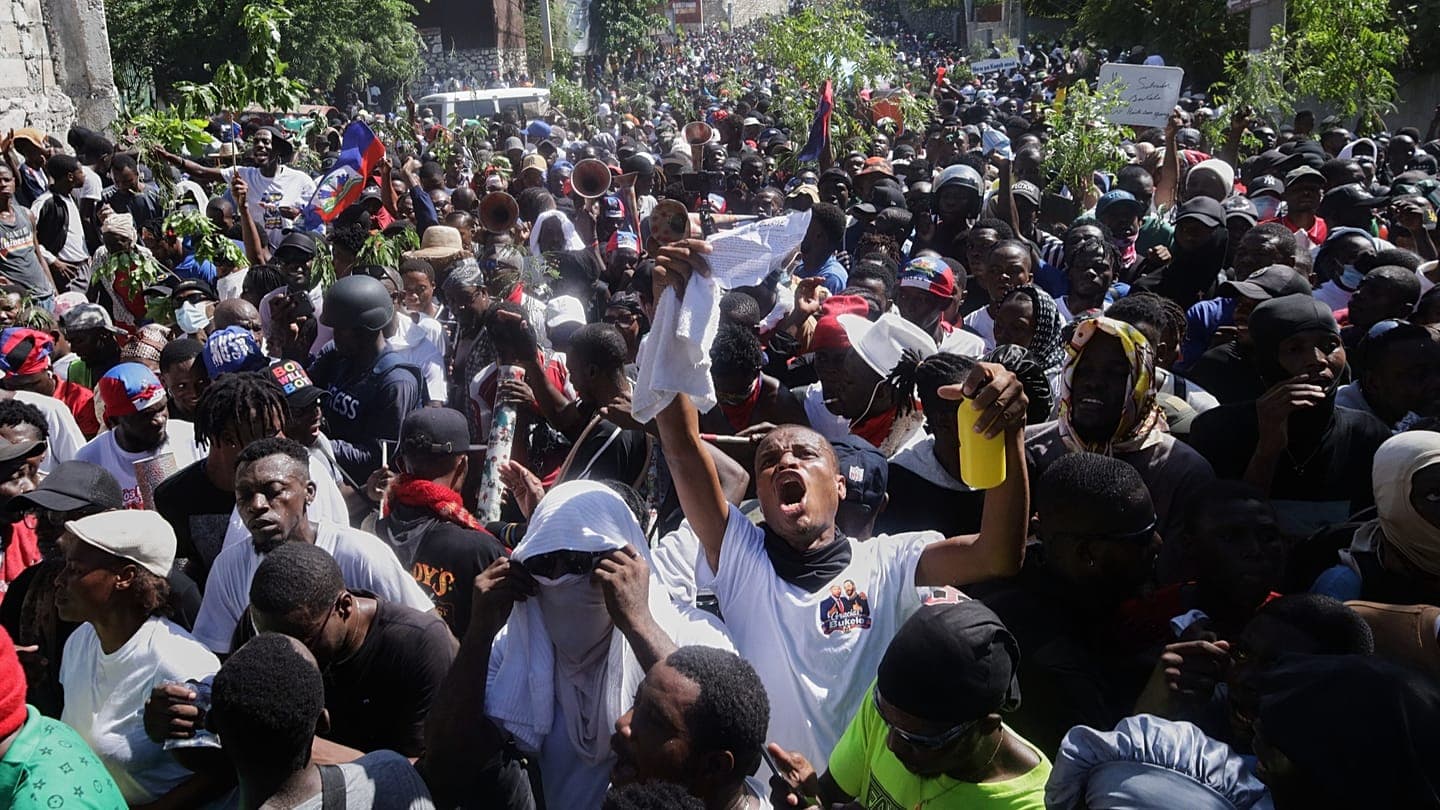
On Tuesday, Haiti announced the formalization of a 'cooperation agreement' with El Salvador: the Council of Ministers approved the document, calling it 'a new stage in strengthening bilateral relations and cooperation.' The same day, demonstrations in support of Salvadoran President Nayib Bukele took place in Port-au-Prince: according to photographs by an AFP journalist, demonstrators carried signs reading 'Thank you, Bukele' and 'Long live Bukele,' and some chanted 'Bukele, the country belongs to you!' One participant, who declined to give his name for security reasons, urged Bukele to 'ignore the critics and continue supporting Haiti.'
Salvadoran troops in Haiti
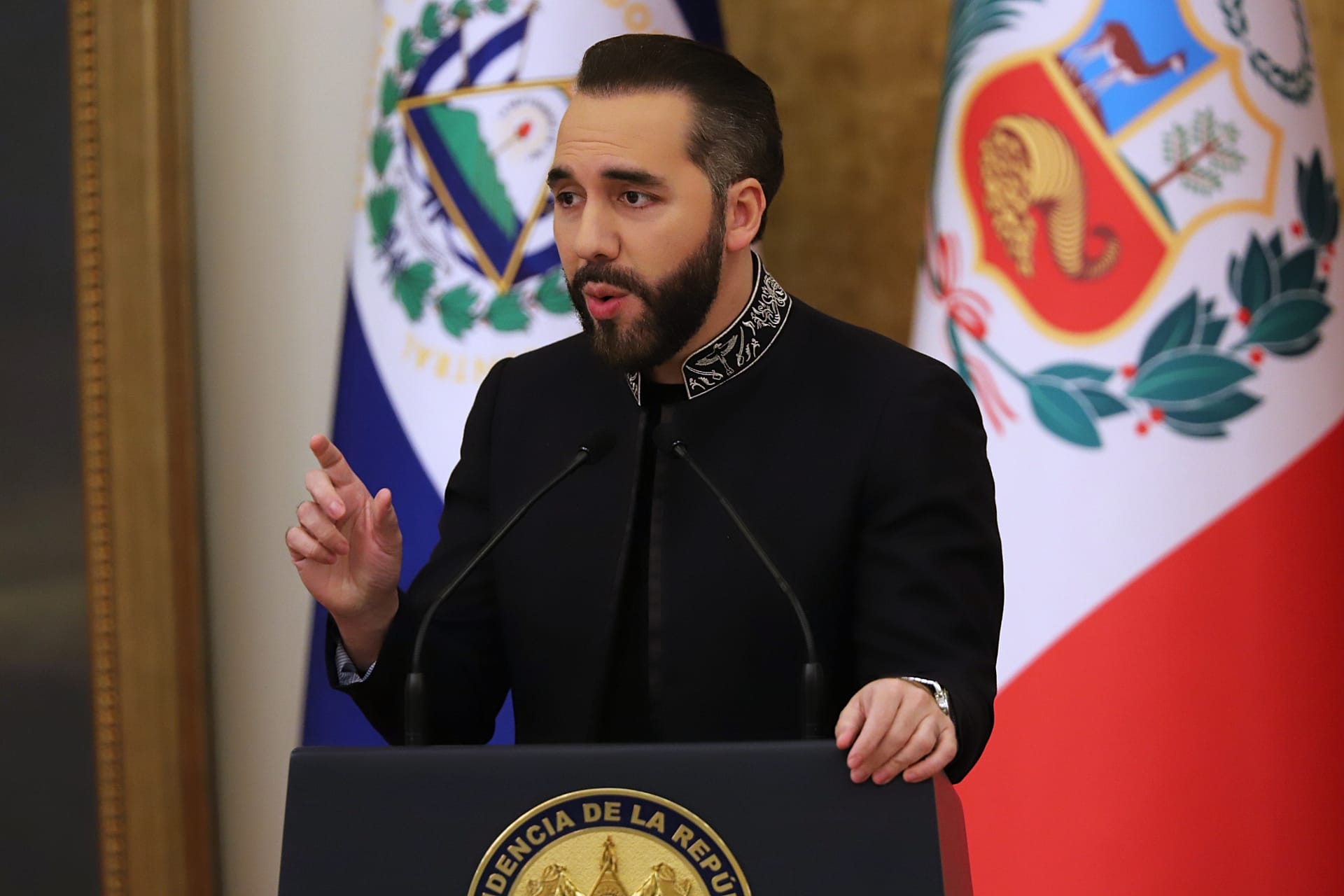
Bukele has sent more than 2,000 troops to Haiti since late October — after four soldiers from his country went missing during an operation by the UN-backed Gang Suppression Force (GSF). The new Salvadoran deployment, formally separate from the GSF, was welcomed by the Haitian authorities, who have long been seeking reinforcements. Numerous armed forces with an uncertain level of coordination are currently operating in the country: the Haitian police and army, the multinational GSF, foreign mercenaries, and Salvadoran troops. On November 10, Bukele announced the destruction of the 'headquarters' of one of Haiti's main gangs, accompanying the statement with a video of a helicopter attack; since then, his forces, with the support of Haiti's national police, have taken control of a football stadium in the capital.
UN reaction and the scale of violence
On Tuesday, the UN Office of the High Commissioner for Human Rights called on all security forces to protect the population and use lethal force only as a last resort. According to the UN, 4,595 people were killed and 2,050 injured as a result of armed violence in Haiti in the first 10 months of 2026. Haiti, the poorest country in the Americas, has been experiencing a political and security crisis for years: gangs have seized significant parts of the country, using killings, kidnappings, and rape.
Support abroad
Support for Bukele was also expressed by Haitians outside the country. In Miami, home to one of the largest diasporas, fans at a CONCACAF Nations League qualifying match between Haiti and the United States waved Salvadoran flags and chanted Bukele's name, despite the 0:6 defeat. Forty-one-year-old fan Guito Ledix called him 'the only one trying to figure out whether there is a chance to get rid of the gangs,' while 28-year-old Stéphanie Genty, whose family remains on the island, noted that since the arrival of the Salvadoran contingent 'things have gotten better,' although she does not yet dare to return home.