The key facts
- The first COP31 draft decision recognizes the priorities of developing countries but, according to a member of the Brazilian delegation, does not back them with obligations
- Brazil is seeking $1.3 trillion in annual climate finance by 2035; tripling adaptation finance covers less than a third of the needs
- Main sticking points: the mandate and resources of the just transition mechanism, the composition of the technical group on adaptation, and finance
Draft decision: recognition without obligations
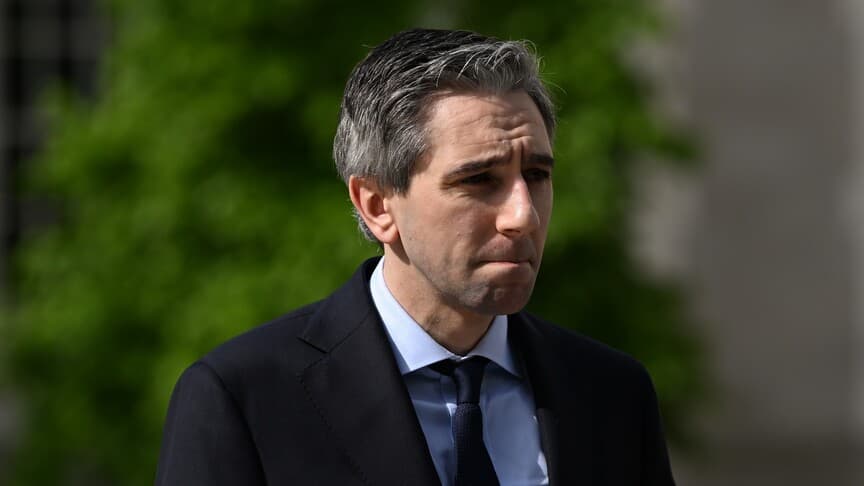
A member of the Brazilian delegation at the COP31 climate summit in Antalya, speaking in a personal capacity, told the Anadolu Agency, that although the first draft of the conference's final decision recognizes the priorities of developing countries in the areas of finance, trade, technology and capacity-building, it 'does not yet respond to them.' She welcomed the mention of historical responsibility but called it largely rhetorical: 'Responsibility has two halves: recognition of the duty and its fulfillment through real compensation. Without a corresponding obligation, recognition does not become redress.'
Where positions converge and where they diverge
After the press conference of COP31 negotiating president Chris Bowen, the delegate pointed to structural and financial bottlenecks across key tracks. According to her, the most difficult issues are the just transition mechanism (its mandate, structure and availability of dedicated resources) and, in the adaptation block, the composition of the technical working group, while 'finance runs through everything.' Convergence has been reached on adaptation planning and the exchange of national experience: negotiations on adaptation have advanced further than on just transition. Disagreements remain over methodologies, indicators and, above all, finance. She also reported procedural difficulties: some countries refused to accept the presidency's text as the basis for negotiations after the process started late.
Finance and loss and damage
In her assessment, the draft inadequately reflects the financial needs of developing countries. Brazil is seeking $1.3 trillion in annual climate finance by 2035. 'By the draft's own calculations, tripling adaptation finance covers less than a third of what is needed,' she said. Touching on the topic of loss and damage, she stressed the principle of holding major polluters accountable for the consequences of their emissions and called a fund dependent on voluntary pledges 'recognition without fulfillment.'
What is expected from the second draft and from the Turkish presidency
In the next version of the text, the delegate sees three priorities: a just transition mechanism with a clearly defined mandate and allocated resources, the preservation of agreed language on vulnerable groups and territorial rights, and concrete follow-up measures on the roadmap for transitioning away from fossil fuels. She called for greater attention to the growing pressure on energy and water resources, including that linked to the expansion of digital infrastructure. She advised the Turkish presidency to be transparent about political and procedural difficulties, manage expectations and 'not let the clock decide the outcome.' Drawing on the experience of the Brazilian presidency at COP30 in Belém, where, in her words, progress came where the focus was on implementation, but the most difficult issue — fossil fuels — was excluded from the final text, she also defined a 'red line': backsliding on previously agreed commitments. 'The red line is rollback: rights used as bargaining chips, texts stripped of substance, and compromises that give nothing in return,' she declared. She considers the summit a success if it means 'leaving Antalya with more than we had after Belém.'