The key facts
- Water supply has been halted in 14 villages of the Mae Sai district due to arsenic levels 30 times above the limit
- In untreated water of the Sai River, arsenic exceeds the standard by 25 times
- Thailand's government discussed the problem with Myanmar and Beijing
Water shutoff and emergency measures
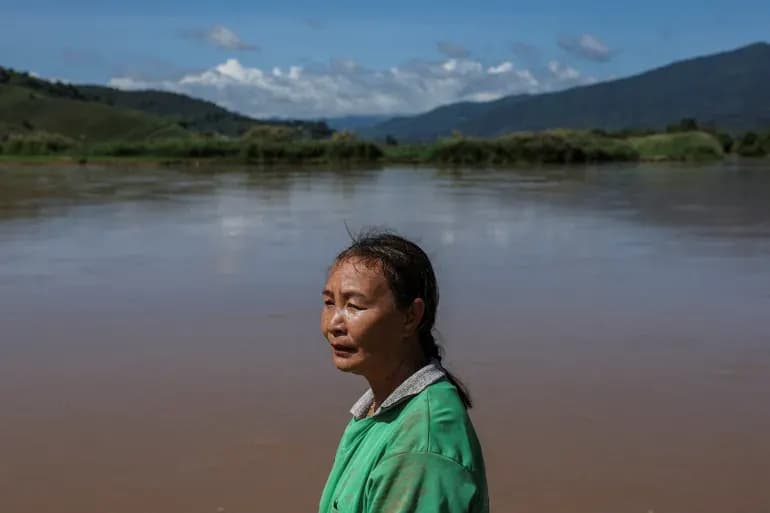
Thailand's government is organizing the supply of safe drinking water to more than 20,000 households in the northern province of Chiang Rai after arsenic linked to mining activity in Myanmar was detected in water sources. This was reported by Al Jazeera (retold by Zamon.uz). This month, tap water supply was cut off in 14 villages of the Mae Sai district, which borders Myanmar — arsenic levels in the local water supply system exceeded the safe limit by 30 times. In the untreated water of the Sai River, a tributary of the Mekong, the exceedance of the drinking water standard is 25 times.
What the authorities are doing
Thai Prime Minister Anutin Charnvirakul ordered agencies to find alternative water sources and ensure constant monitoring of tap water quality. For now, the population is being supplied with drinking water by two water trucks. The scale of the problem is also illustrated by an earlier episode: in October, authorities reported that arsenic was found in the urine of 17 out of 177 residents tested in the province of Nong Khai, which borders Laos.
The trail leads to Myanmar's mines
Researchers at Naresuan University, based on chemical analyses and satellite data, established that most of the arsenic-contaminated sediments in the Sai River come from gold mines in Myanmar. It is also reported that the growth of rare earth metal extraction in territories controlled by armed groups leads to the accumulation of heavy metals in Thailand's water basins, including the Mekong; part of the raw material from these mines is supplied to processing plants in China.
The diplomatic dimension
The problem has reached the international level: last week, during a visit to Myanmar, Thailand's foreign minister raised the issue of the sharp increase in pollution of the Sai River, citing mine wastewater as the cause and describing the situation as requiring an immediate solution. The Thai government has also discussed the problem with Beijing — according to researchers, many mines in Myanmar are run by Chinese companies. Experts fear that the contaminated water could spread to other territories along the Mekong, which serves as a water source for millions of residents of several countries.