The key facts
- Israeli troops conducted overnight raids and shelling in Daraa province, forcing residents to flee.
- UN representatives and Syria's ambassador condemned Israel's actions as a violation of sovereignty and a threat to civilians.
- Incursions have increased since the change of power in Syria in late 2024, despite US-brokered talks.
Overnight raids and shelling in southwestern Syria
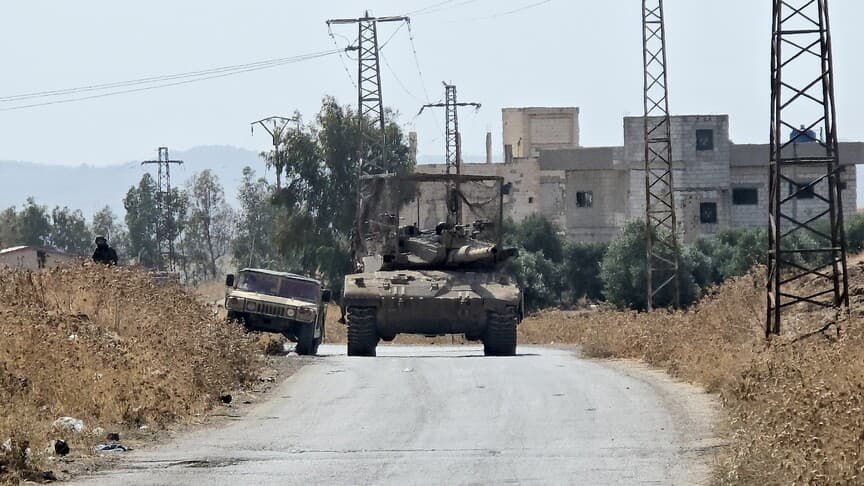
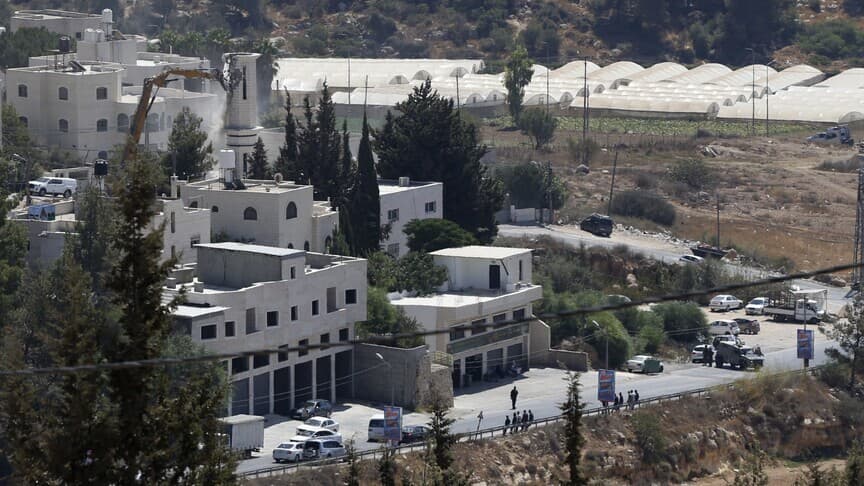
In the early hours of November 17, Israeli troops raided homes and shelled farmland in southwestern Syria, forcing local residents to leave their homes. According to Syria's state-run agency Sana, soldiers entered the village of Maariya in Daraa province in dozens of armored personnel carriers, conducted searches, beat one of the residents and damaged his car. Syrian television reported that soldiers also fired into the air during the operation. An artillery strike hit fields in the Koya and Abdin area in the Yarmouk River basin, and a helicopter fired on a residential building in Koya, setting it on fire, prompting part of the population to flee to neighboring villages.
UN reaction and accusations of violating sovereignty
Israel's actions were condemned by UN representatives, who described the operations as 'continuous' and in violation of Syria's sovereignty. Claudio Cordone, deputy special envoy for Syria, warned the Security Council that the activity of Israeli forces near the Al-Mantara dam and Wadi al-Ruqqad threatens civilians' access to water and farmland. He accused Israel of carrying out detentions, shelling, clearing land and damaging agricultural and water infrastructure. Syria's ambassador to the UN, Ibrahim Olabi, also spoke out in sharp criticism, saying that the international community and Syrians have 'had enough' of Israel's attacks and its attempts to find justifications for them.
Context of escalation and peace talks efforts
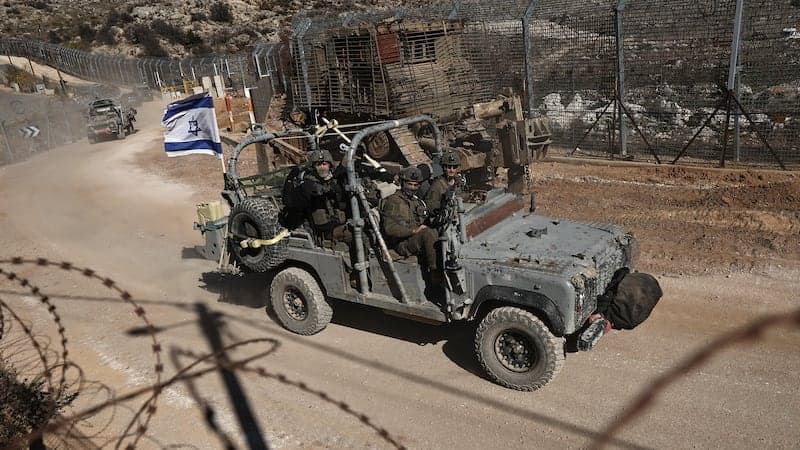
Israeli incursions into southern Syria and areas west of Damascus have increased this year, especially after rebel forces led by President Ahmad al-Sharaa toppled the regime of Bashar al-Assad in December 2024. Israeli troops have occupied parts of these regions — a fact al-Sharaa himself had previously pointed out, noting in September that hundreds of airstrikes and incursions undermine the country's recovery. Despite the escalation, the US is mediating talks between Israeli and Syrian officials, discussing a halt to attacks and a withdrawal of troops to the 1974 ceasefire line. Syria's foreign ministry also accused Israel of building military fortifications to complete the 'Souf 53 line' in the occupied territories, which, according to Damascus, violates previous agreements.