The key facts
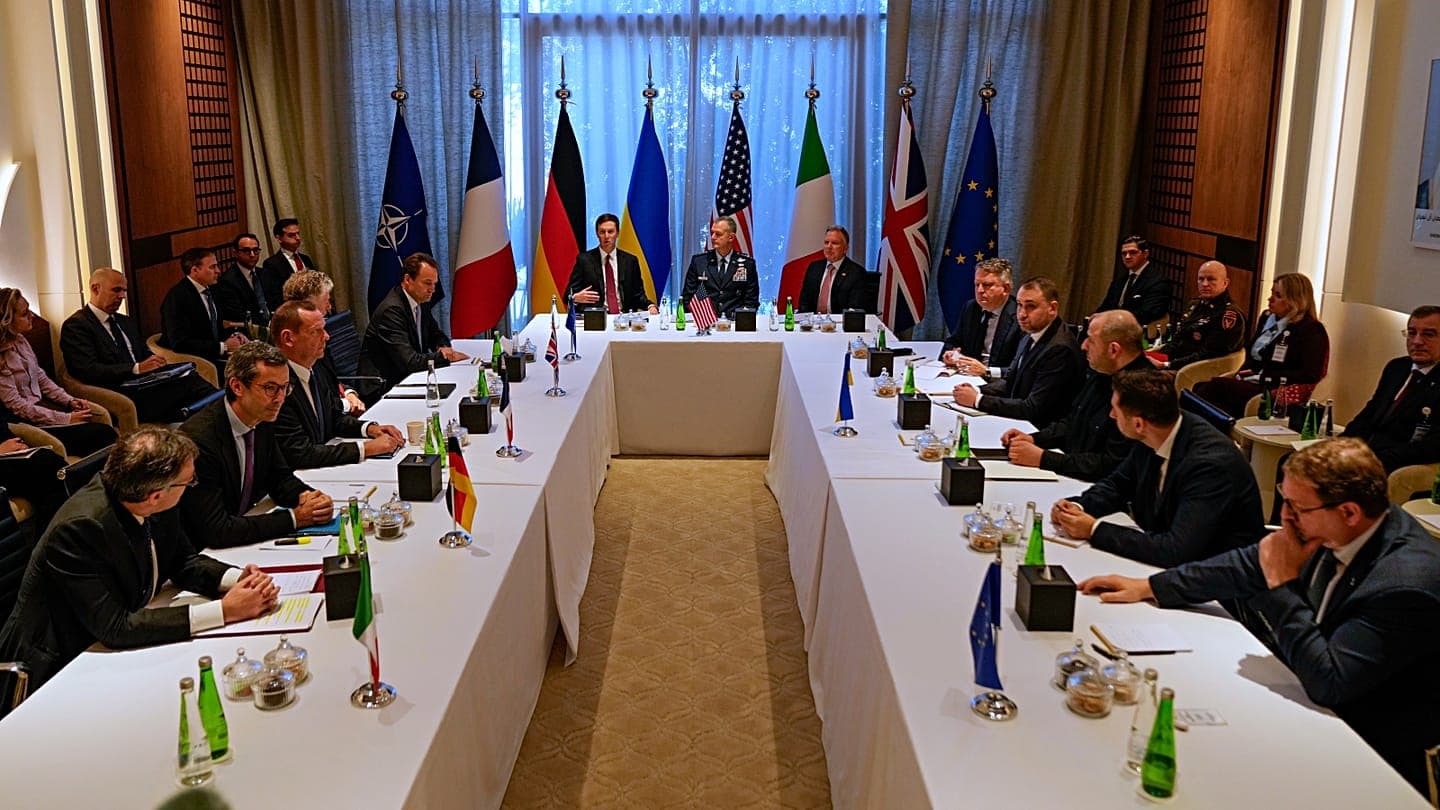
- The European team includes France, Germany, the United Kingdom, Italy, Poland, EU institutions and NATO
- Ushakov said the date and the expansion of the format with Russia have not been agreed; Kushner speaks of preparing a meeting 'in the near future'
- On 19 November (Thursday), a meeting of the European, American and Ukrainian teams will take place in Berlin on the sidelines of the 'coalition of the willing'
A unified European team is ready, Russia is in no hurry
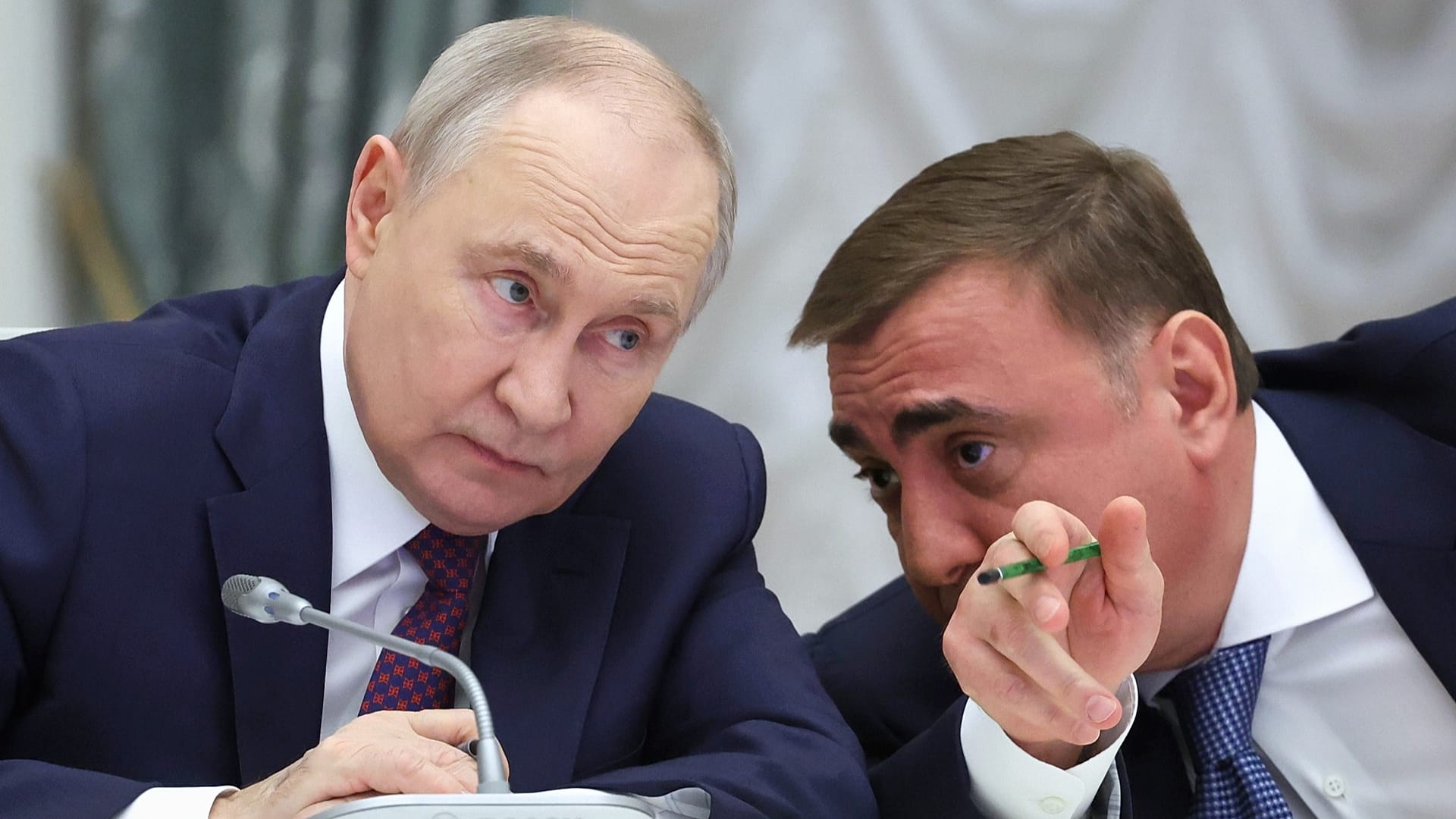
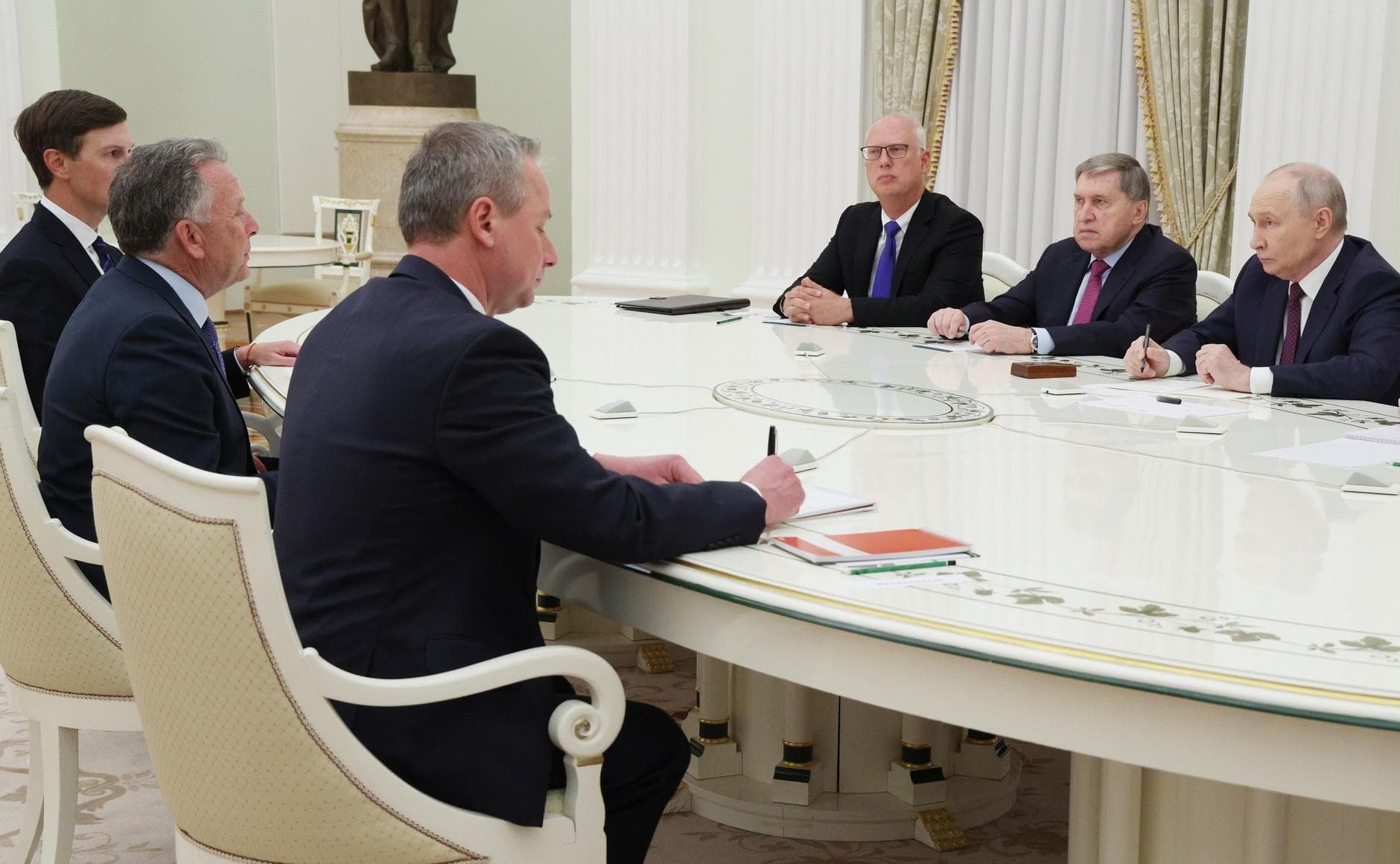
Europe has for the first time agreed on a single delegation for talks on ending Russia's full-scale invasion of Ukraine. It includes France, Germany, the United Kingdom, Italy, Poland, EU institutions (the Council and the Commission) and NATO. Nevertheless, Moscow has once again cast doubt on the very possibility of direct meetings with this team. Vladimir Putin's aide Yuri Ushakov said on Monday that the date has not been agreed, that the expansion of the format 'has not been agreed with us,' and suggested that before talks with the Europeans there may need to be 'another round, and possibly more than one' of trilateral negotiations between Russia, the US and Ukraine.
The US insists on merging the two tracks into one
Until now, the talks have proceeded along two parallel tracks: Ukraine–Russia–US and Ukraine–Europe–US, which meant the Europeans were effectively left 'in the next room,' as happened in Abu Dhabi. The American side concluded that this configuration had exhausted itself and that it was time to seat Europe and Russia at the same table. US special envoy Jared Kushner, after speaking with Ushakov, expressed cautious optimism, saying that preparations are underway for a multilateral meeting 'in the near future' and that the goal is to establish direct interaction between Europe and Russia, which has been absent for the past four years. EU Commissioner Paula Pinho confirmed: 'We are absolutely ready to work at the multilateral level.'
Skepticism in Europe and preparation of a mandate
European diplomats, in private conversations, advise keeping expectations in check: over the past year the talks have seen many ups and downs and a long pause, and nothing can be guaranteed with regard to Moscow. Delays on Russia's part reinforce the widespread view that Putin is merely diverting the White House's attention; the authors of the publication believe the massive strikes on Ukraine ahead of winter also point to this. According to The New York Times, the Russian demands conveyed to the US include halting NATO enlargement, withdrawing troops to the 1997 borders and ending military support for Ukraine. One senior diplomat called this absurd: 'Russia behaves badly and then wants rewards for it.'
What's next: Berlin and a mandate on substance
Despite the skepticism, the Europeans are preparing new sanctions against Russia and support for Ukraine, and senior officials of the unified team will meet on Thursday with American and Ukrainian counterparts on the sidelines of the 'coalition of the willing' in Berlin. Brussels has begun drafting a common mandate for a possible multilateral format, based on the principles Ukraine's allies have upheld since the start of the war. Austria, one of the first to call for direct talks, circulated a two-page document (which Euronews has reviewed) outlining a negotiation structure across four areas — political, security, humanitarian and economic; it proposes making maximum use of the 'sanctions lever,' preparing a monitoring mission for a possible ceasefire and a strategy for the use of frozen Russian assets, as well as distributing roles among the EU, NATO, the UN, the OSCE and the 'coalition of the willing.' Austrian Foreign Minister Beate Meinl-Reisinger emphasized: the team finally exists, 'now the focus must shift from the who to the what,' because what is at stake is 'nothing less than Europe's own security.'