The key facts
- The 21st East Asia Summit was held in Manila with the participation of ASEAN and eight partners, including the US, China, Russia, India, and Japan
- Philippine President Ferdinand Marcos Jr. cited intensifying strategic competition, trade disruptions, and climate threats as challenges
- Marcos called for joint efforts against online fraud through closer coordination
Summit in Manila
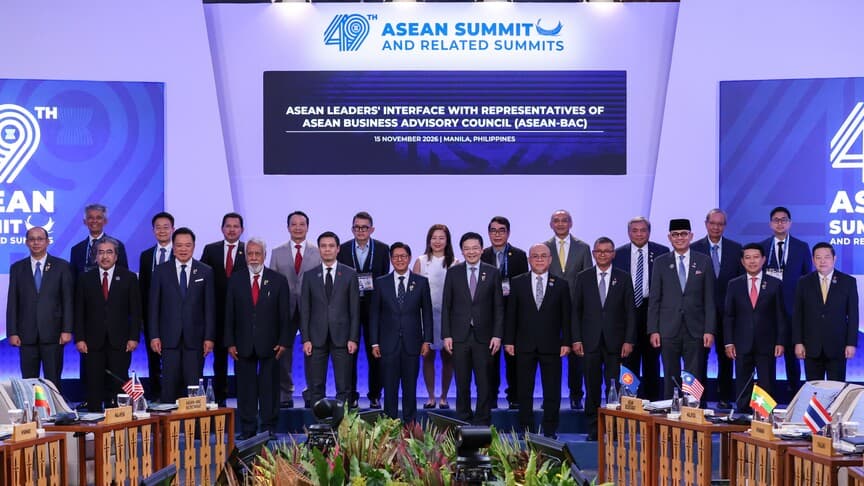
The 21st East Asia Summit (EAS) was held in Manila, bringing together ASEAN countries and eight dialogue partners: Australia, China, India, Japan, New Zealand, South Korea, Russia, and the United States. The forum was opened by Philippine President Ferdinand Marcos Jr., who chairs ASEAN this year.
The Chair's Assessments and Appeals
According to Marcos, the summit is entering its third decade amid intensifying strategic competition, conflicts that disrupt flows of energy, food, and trade, rapid technological development, and growing climate threats. He emphasized that the forum brings together countries with significant economic potential, technological capabilities, and institutional experience, capable of contributing to the formation of a 'more stable, resilient, and prosperous' region.
Priorities for Cooperation
Marcos called for strengthening ASEAN's central role, deepening practical cooperation, and expanding interaction while remaining within the framework of international law. Separately, he proposed joint efforts to combat online fraud and related crimes through closer coordination. 'The peace, prosperity, and well-being of our peoples are increasingly interconnected,' he said, noting that regional stability and resilient trade, energy, infrastructure, and supply chains are common interests. In his view, cross-border cooperation will help protect people and enhance societies' preparedness for threats.