The key facts
- Diarmid Campbell-Lendrum (WHO) at COP31 in Antalya: the climate crisis is happening 'now,' not in the distant future
- According to WHO data, six proven health measures could save about 1.6 million lives a year — roughly one in 40 deaths worldwide
- Campbell-Lendrum: every dollar invested brings 24 dollars of benefit to society; climate, like pandemics, cannot be solved by national efforts alone
'We Know What to Do': WHO Urges Stop Treating the Climate Crisis as a Distant Threat
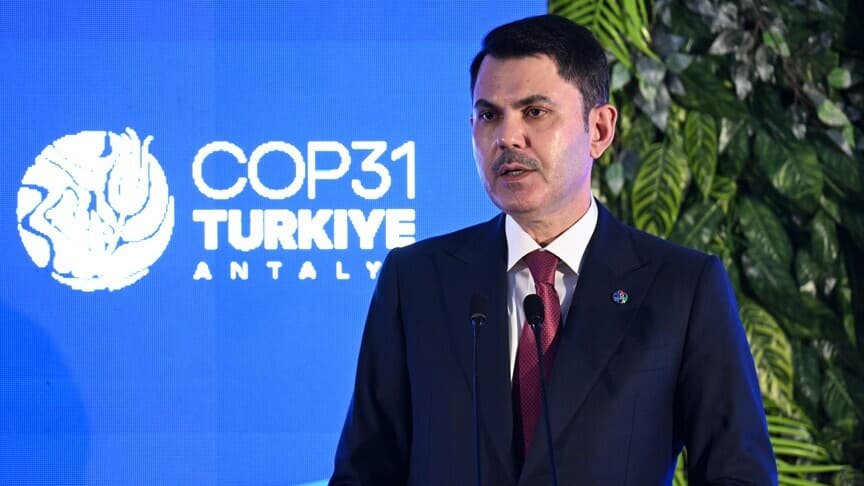
Diarmid Campbell-Lendrum, head of climate change, energy and air quality at the World Health Organization, said that solutions to the health problems caused by the climate crisis have long been known, and called for abandoning the notion of the crisis as a task too large and postponed. 'We are already losing lives because of climate change. This is a problem that is happening now,' he said in an interview with the Anadolu agency on the sidelines of the COP31 climate conference in Antalya.
Six Measures and an Assessment of Effectiveness
Citing a recent WHO report, Campbell-Lendrum named six already proven public health measures which, according to the organization's estimate, could be scaled up to save approximately 1.6 million lives annually — about one in forty of all deaths worldwide. The list includes heat-health warning systems, climate-resilient drinking water supply services, basic sanitation and hygiene, cleaner household fuels and technologies for cooking and heating, as well as effective fossil fuel pricing policies. According to him, these measures should be seen as investments rather than costs: 'For every dollar invested, we get 24 dollars of benefit to society.' He also stressed that climate, like pandemics and other major health threats, cannot be solved by national actions alone, and called for protecting scientific data from attempts to challenge it in favor of political or commercial narratives.
Statements on Gaza and Peace
Commenting on the situation in Gaza, Campbell-Lendrum said that WHO is doing everything possible to support the population through frontline medical services, and emphasized: 'Medical facilities and health workers must never be a target in war.' He also endorsed recent remarks by WHO Director-General Tedros Adhanom Ghebreyesus that true leaders choose peace, noting that significant efforts and funds are currently being invested 'not in peace, but in the opposite of peace.' 'Peace is, in essence, health,' he concluded.