The key facts
- The BIS issued an interim final rule on remote access to advanced computing power
- Licenses will be required for data centers providing over 12 million TPP to companies from D:5 group countries
- The rule repeals the AI Diffusion Rule of January 2025 and takes effect with a 90-day transition period
The essence of the new rule
On Monday, November 16, the Bureau of Industry and Security (BIS) of the US Department of Commerce issued an interim final rule (interim final rule) aimed at restricting remote access to American advanced computing chips and servers, which the document designates as “superintelligent” (SI). This was reported by Euronews and TechCrunch, citing the BIS publication. The agency explains the measure by saying that the development of cloud computing has made it possible to access American computing power remotely, including through data centers in countries not covered by US export restrictions.
Who is affected by the restrictions
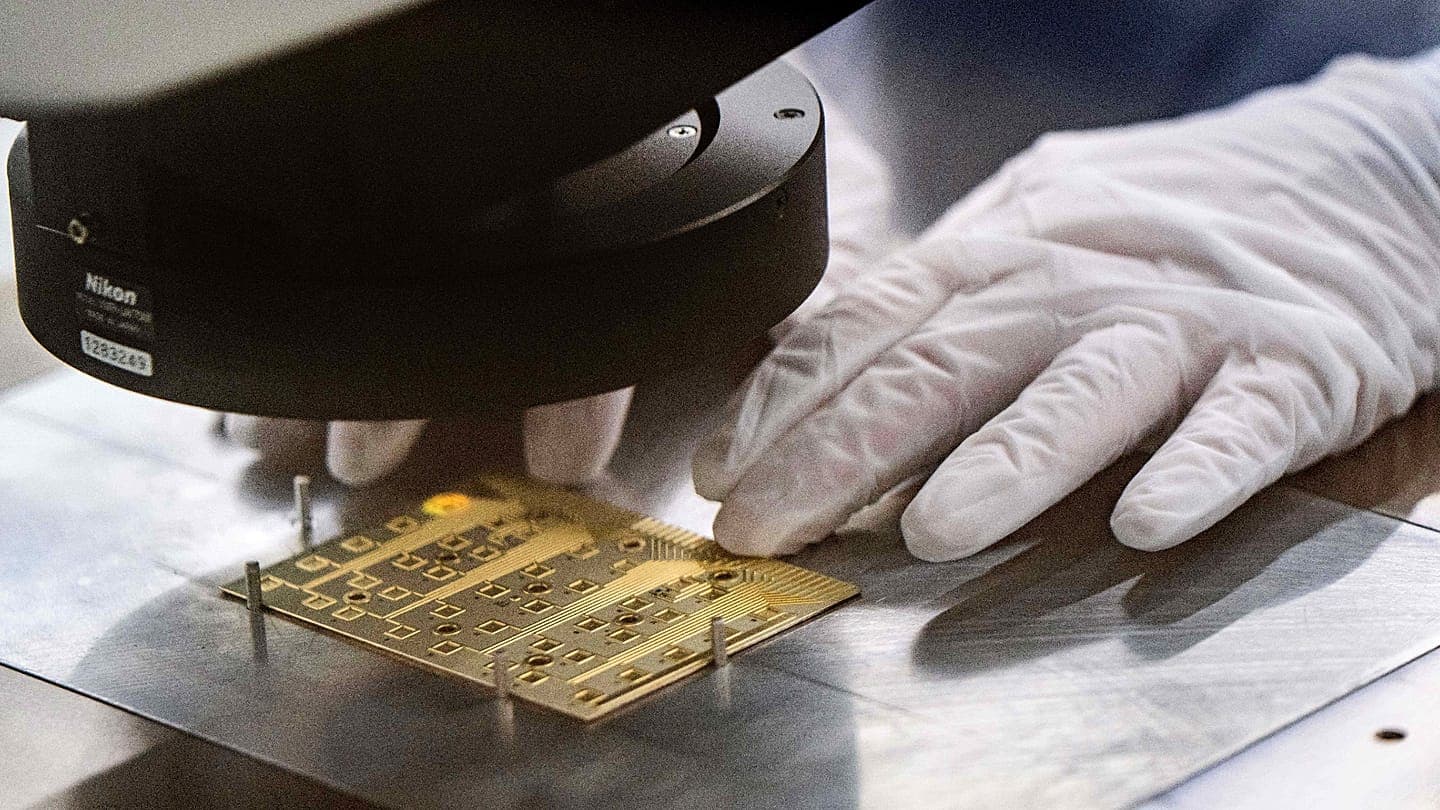
The rule applies to companies from the D:5 group — an embargo list that includes China, Russia, Iran, North Korea and 18 more states. As TechCrunch explains, a license will now be required for the export, re-export or transfer of AI chips and servers to any data center in the world if it can provide computing power to companies from these countries. The threshold is over 12 million TPP (total processing performance), which roughly corresponds to the maximum performance of about 750 Nvidia H100 or H200 chips. The rule also covers indirect access through intermediaries: exporters and data center operators are required to track the ownership structure and activities of their clients.
Five countries under special control and 90 days for licenses
Additional licensing requirements are introduced for the export of advanced semiconductors to Malaysia, Singapore, Indonesia, Thailand and Brazil: the Commerce Department believes these countries “pose an elevated risk of diversion” — leakage of chips around the restrictions. An exception remains for US-based companies: licenses are not required for chips “intended” for them. Existing data center operators whose services fall under the rule must obtain licenses within 90 days after the rule takes effect. Commercial recommendation systems, for example in e-commerce and social networks, are exempt from the controls.
Repeal of the AI Diffusion Rule and the context around Nvidia
The new rule also repeals the Biden administration's AI Diffusion Rule of January 2025, which introduced country-specific caps on the export of advanced AI chips and restricted the transfer of powerful AI models. Back in May, the Trump administration said it would abandon that framework, considering it an excessive burden on American companies and allies. The BIS justifies the changes by national security: access to such computing power could be used to train and run models capable of supporting military and intelligence activities that threaten US interests.
The scandal around Megaspeed
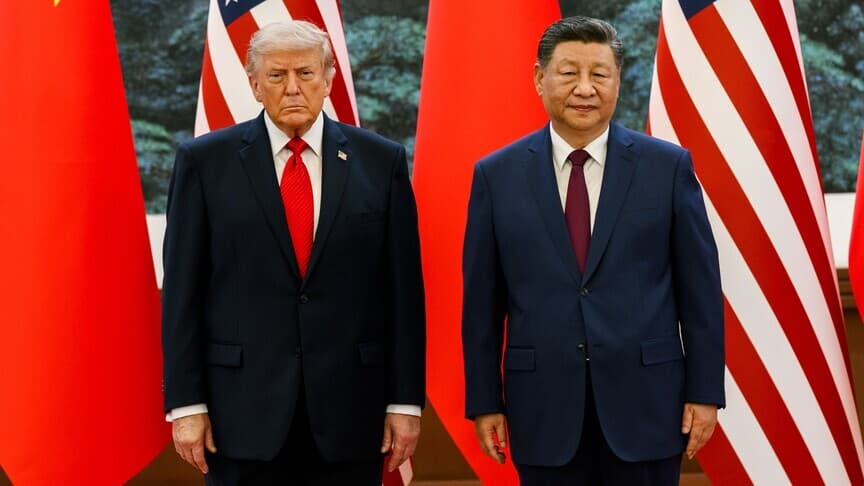
The rule came amid a scandal surrounding Nvidia. According to TechCrunch, US authorities, as reported, wanted to add the chipmaker's client — the Singapore-based cloud company Megaspeed — to a special entity list, believing it had purchased thousands of Nvidia chips to provide computing power to Chinese companies in circumvention of export restrictions. Megaspeed rejected the accusations of shipping chips to China. According to Euronews, Nvidia co-founder Jensen Huang stepped down as CEO last week after admitting to an extramarital affair with Alice Huang, a former top executive at Megaspeed who is suspected of spying for China (they are not related); TechCrunch also links his departure to the scandal surrounding the alleged Chinese spy connected to the company's client. Reuters reported last week that Chinese AI companies are urgently reserving computing power abroad amid fears of tightening restrictions by the United States. According to the WSJ, Treasury Secretary Bessent said that the Treasury supported adding Megaspeed to the blacklist, but the Commerce Department did not act. The US government, according to the outlets, believes the company purchased thousands of Nvidia chips for Chinese clients. The new restrictions take effect a few days before Donald Trump's visit to China for an economic summit, where a meeting with Xi Jinping is scheduled.