The key facts
- The UK will get 'a voice in the room' but no vote on EU food rules
- The deal could add 0.4% to GDP and cut costs for food importers
- The Conservatives and Reform promise to scrap the arrangements if they come to power
A voice without a vote
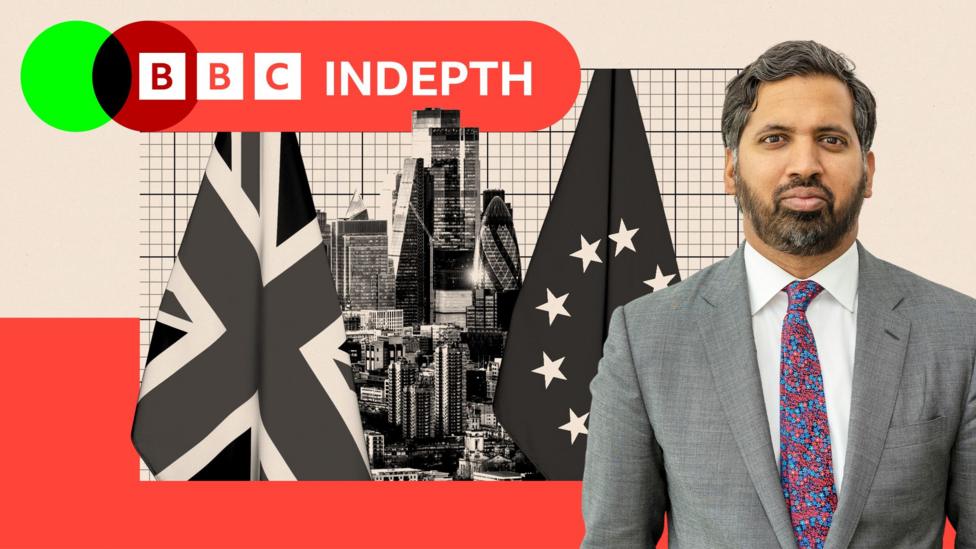
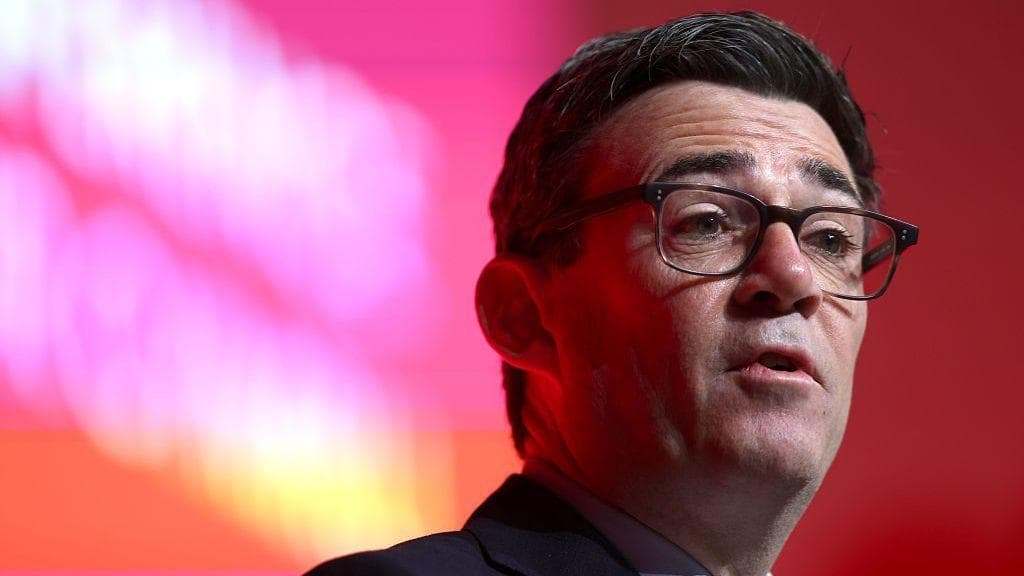
As part of the 'reset' of relations with the European Union, the UK will get 'a voice in the room' when EU food rules are discussed, but will not be able to vote on them. This was stated in an interview with BBC News to the Minister for EU Relations, Hamish Falconer. Prime Minister Andy Burnham hopes to agree the deal at a summit on Friday; critics warn that the reset will turn the country into a 'rule-taker' rather than a rule-maker.
The terms of the deal and the exit clause
Falconer stressed that the reset involves no upfront payments, but the agreement will likely include an 'exit clause' in case a future government decides to reverse the rapprochement with the EU. According to the BBC, this clause is the result of Brussels' concerns about the cost of rebuilding border facilities for food safety checks, which were built after Brexit and are due to be dismantled. Falconer called it 'reasonable' to discuss a scenario in which the Conservatives or Reform would try to cancel the arrangements: 'The EU is concerned about this, and you can understand why.' Both opposition parties have already said they would scrap the reset if they came to power; the Conservatives previously warned that it would leave British consumers and businesses 'dangerously exposed' without any say over regulation.
What changes for businesses and shoppers
Speaking at a Marks & Spencer food hall in London, the minister explained the practical meaning of the deal: at present, exporters fill in 'pages and pages' of paperwork — some M&S lorries require more than 300 pages of documents, including veterinary and phytosanitary certificates, and shipments have been rejected over the wrong colour of ink or an inaccurate Latin name of products. Some suppliers have already given up exporting to the EU; Lincolnshire sausages, he said, are almost impossible to export. Falconer expressed hope that lower costs for supermarkets would translate into cheaper products on the shelves. The estimated effect of the food part of the deal is an extra £5 billion, while the agreement as a whole is worth 0.4% of GDP. In addition to food, the package includes closer alignment of emissions trading rules and a youth mobility scheme.
Farmers, genetics and 'smoky bacon'
The President of the National Farmers' Union, Tom Bradshaw, welcomed the reduction in checks and paperwork, but called the moment 'a time of opportunities and risks': food exports to the EU have fallen by more than a third since 2019, he said, and farmers are waiting for details on derogations and transition periods. He hopes for a compromise on pesticides and gene-edited crops — the EU has historically set stricter rules, although it relaxed regulation this year. Falconer urged people to 'wait for the details' in this area. Separately, he dismissed rumours about a possible ban on smoky bacon flavoured crisps: two leading snack companies, including Walkers, have already adapted their recipes to EU standards, and such adaptation would have happened regardless of the reset.
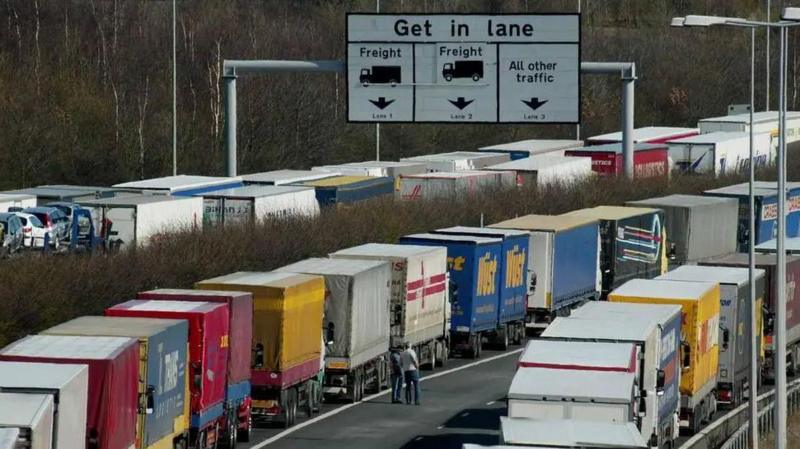 Image source, Getty Images
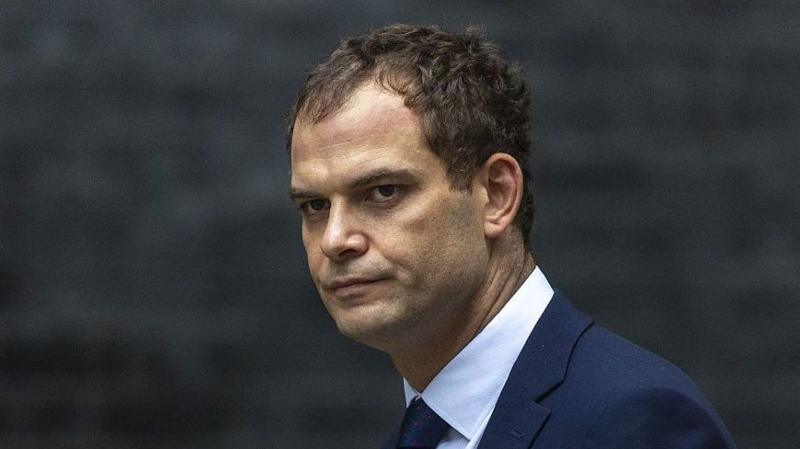 Image source, Marcin Nowak/Anadolu via Getty Images
Minister for EU relations Hamish Falconer
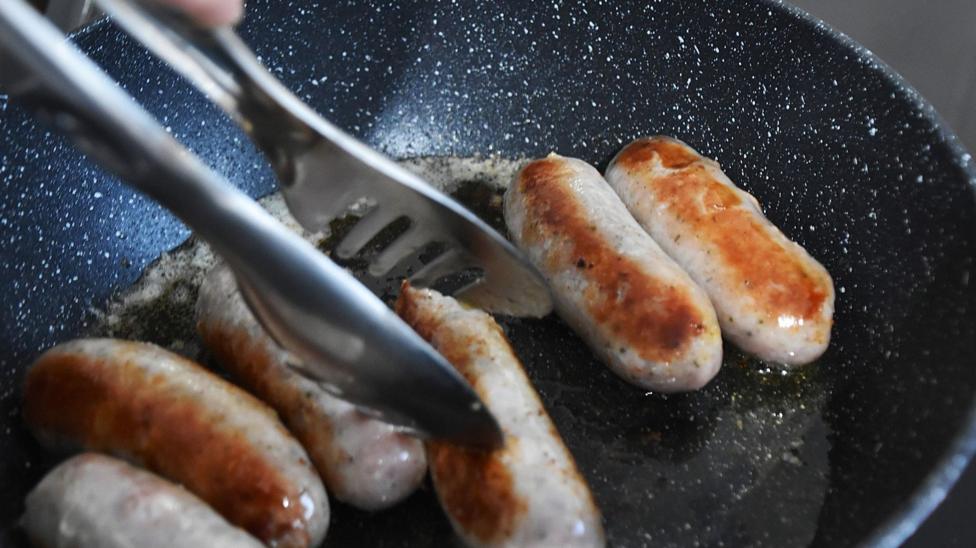 Image source, Getty Images
Some British sausages have faced barriers to being exported to the EU