The key facts
- Aleksandar Baukal said at the EU enlargement forum in Brussels that one of Serbia's strategic goals will be accelerated fulfilment of the interim benchmarks under chapters 23 and 24
- It was the first international public appearance of a Student List representative, which won the elections and removed Vucic's party from power after 14 years
- The movement remains heterogeneous: its position on sanctions against Russia and recognition of Kosovo may become clearer after the government is formed
First international appearance of the new leading force in Serbian politics
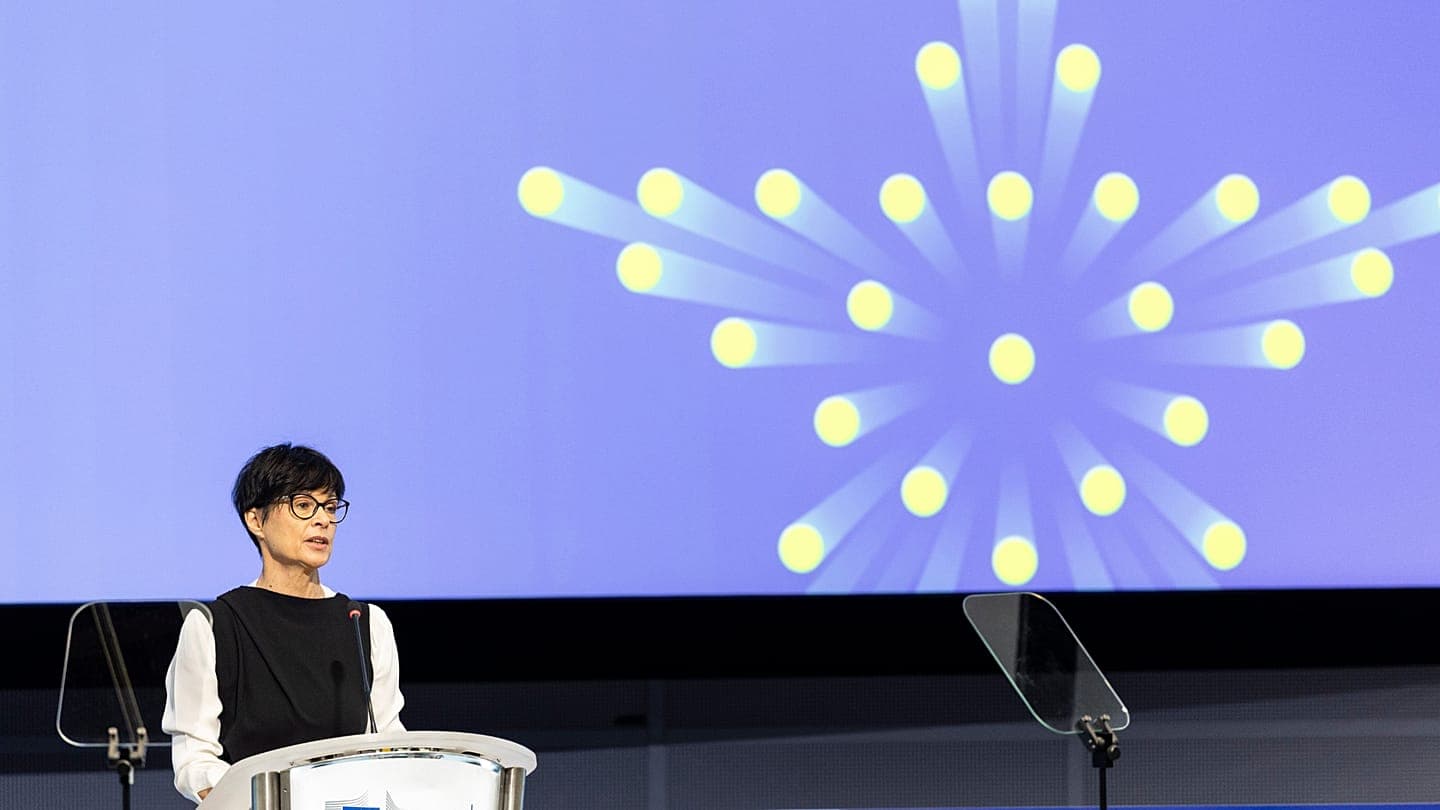
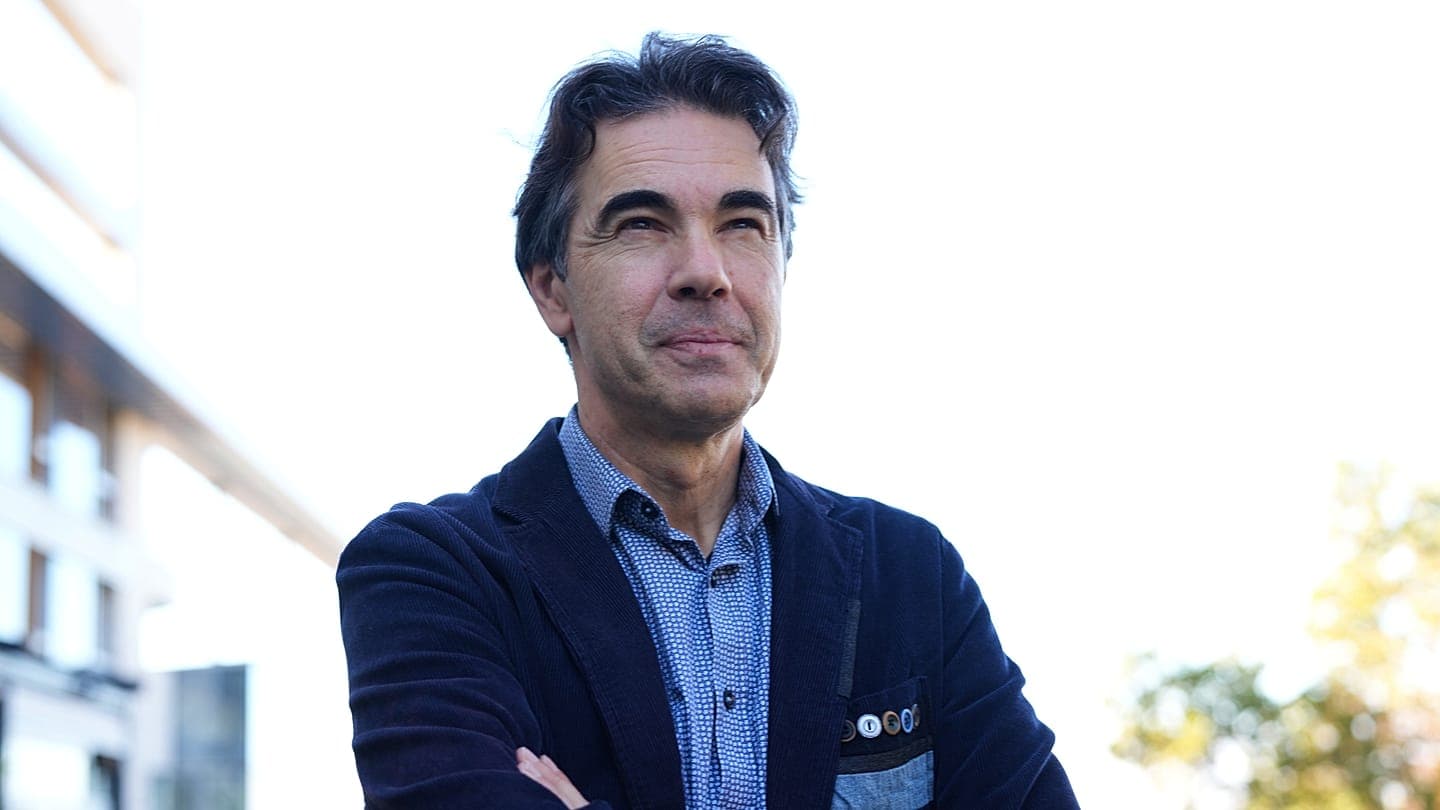
Professor and newly elected MP Aleksandar Baukal spoke at the EU enlargement forum in Brussels — it was the first address by a Student List representative to an international audience. Most of the hall greeted the speech with a standing ovation. Baukal said the movement will accelerate work on fulfilling the EU accession interim benchmarks, above all on the rule of law.
What Baukal promised
“The next question is whether Serbia will remain on the European path. For us, the European path is the path of reforms: strengthening European values, building functional institutions and a genuine rule-of-law system, and developing a sustainable economy integrated into the European market,” Baukal said. According to him, one of Serbia's strategic goals will be the accelerated fulfilment of the interim benchmarks under chapters 23 and 24, and the country wants to be a reliable partner of the EU and its member states. He stressed that the European path matters not only for good-neighbourly relations but also for building a more democratic society, and promised to advance on the “fundamentals” of the accession negotiations. “It is not only about the EU helping Serbia protect democracy. A democratic Serbia also contributes to a stronger and more resilient Europe,” he added.
Context of the victory and previous contacts with Brussels
The movement's historic victory in last month's elections raised hopes for a restart of Serbia's difficult relations with the EU. The movement, which grew out of nearly two years of mass protests, removed Aleksandar Vucic's party from power after 14 years in government. Two weeks earlier, enlargement commissioner Marta Kos met in Brussels with a delegation of the Student List — their first formal contact with a senior EU official. The delegates then said the future government would focus on restoring the rule of law, the independence of the judiciary and media freedom — not only for the sake of EU accession but above all for the Serbian people. Baukal also said the new government would remain open to dialogue and would solve concrete problems rather than create new ones.
Open questions and the movement's internal heterogeneity
At the same time, prominent figures of the Student List remain cautious about aligning with EU foreign policy, in particular sanctions against Russia: they are deeply unpopular in Serbia, where the memory of Western sanctions from the Milosevic era is still alive. Recognition of Kosovo could also become a stumbling block with a number of EU countries: Albanian Prime Minister Edi Rama warned that the new government is unlikely to change Serbia's position. The movement grew as a heterogeneous force without clearly defined leadership, and Belgrade's position on EU accession and foreign policy may become clearer after MPs settle the composition of the new government. Baukal sees the movement's next task as turning the solidarity forged in the struggle into lasting trust in institutions: “Citizens were able to set aside many differences. But in a democratic society these interests and opinions will come to the fore again. We believe that thanks to our differences we will build a better system for our citizens,” he said.