The key facts
- The Slovenian band Marko Hatlak & Kapobanda performed 'Oj Kosovo, Kosovo' at the concert opening the EC enlargement conference
- Kosovo's ambassador to Belgium, Agron Bajrami, called the inclusion of the song at an official EC event unacceptable
- Commissioner Marta Kos expressed regret and stated that the song does not reflect the European Commission's position
Incident at the Opening Concert of the Enlargement Conference
On Sunday evening, at a concert opening the European Commission's annual enlargement conference, the Slovenian band Marko Hatlak & Kapobanda performed the song 'Oj Kosovo, Kosovo' — a Serbian nationalist composition asserting that Kosovo is part of Serbia. The choice triggered a diplomatic scandal.
Reaction from Kosovo and the European Commission
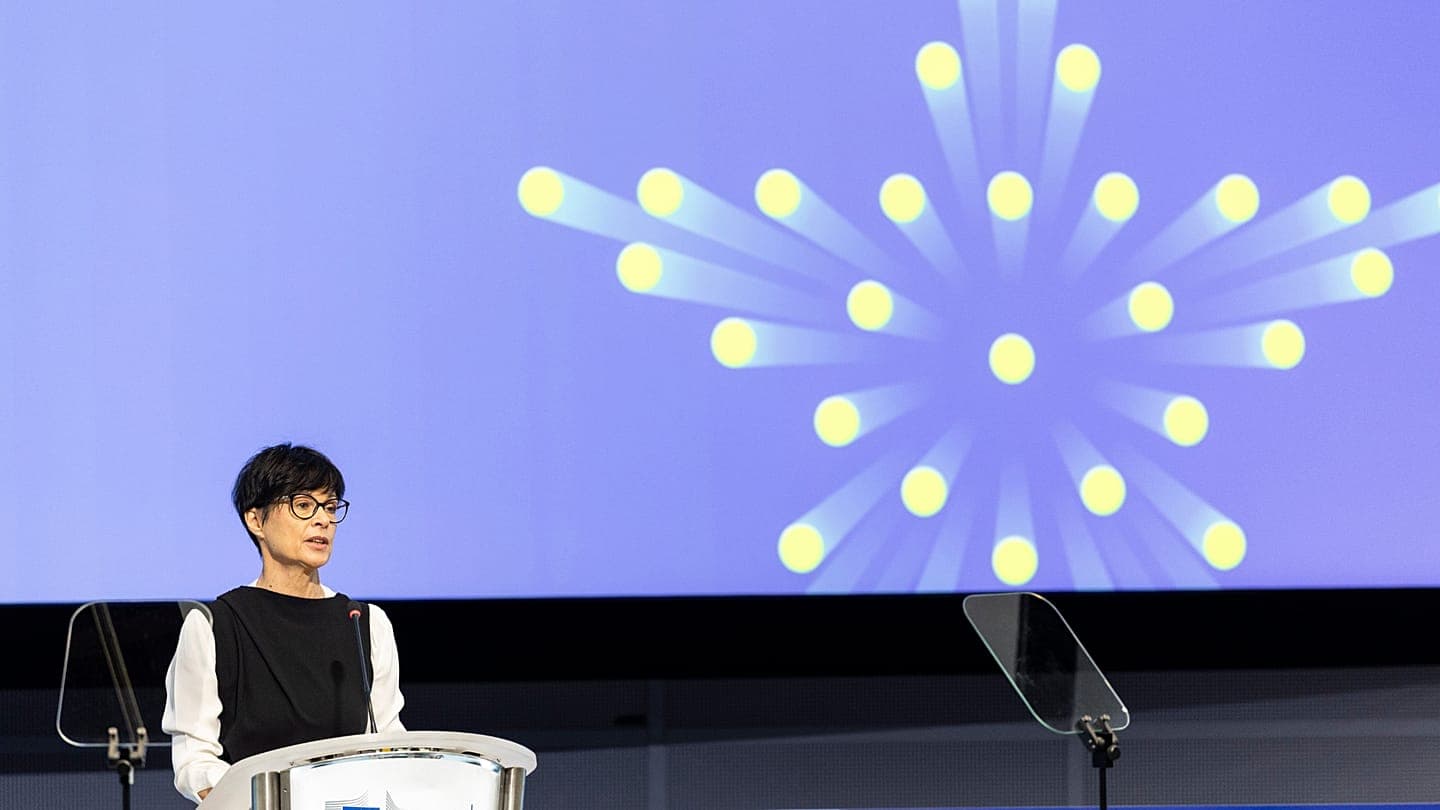
Kosovo's ambassador to Belgium, Agron Bajrami, said this was 'not a cultural exchange': according to him, the song contains explicit political claims to the territory of the Republic of Kosovo, and its inclusion in an official European Commission event dedicated to enlargement, unity and good neighbourliness is unacceptable. Enlargement Commissioner Marta Kos on Monday expressed regret over the musicians' choice of song, noting that it touches on sensitive feelings, especially given the painful history and different experiences of Kosovo's communities. She stressed that the song in no way reflects the position of the European Commission, or her own, on Kosovo and its history.
Context of the Repertoire Choice
According to the organisers' plan, the band was to perform one song from each candidate country, including Kosovo, which does not have formal candidate status and is not recognised as a state by five EU countries. However, the composition chosen for Kosovo is Serbian both in language and content. The song was written after Slobodan Milošević's famous Gazimestan speech of 1989, in which the then president of Serbia presented Kosovo as the heart of Serbian national identity — on the eve of the Yugoslav wars. Kosovo perceived the performance of the politically charged song at a conference held under the auspices of the European Commission as a provocation.