The key facts
- Minister Albares urged the People's Party and Vox not to vote against the Gibraltar agreement
- The EU–UK agreement was signed on 14 July and is being applied provisionally, but requires European Parliament approval
- The fate of around 15,000 cross-border workers and roughly 300,000 residents of the Campo de Gibraltar area depends on its outcome
Dispute ahead of the European Parliament vote
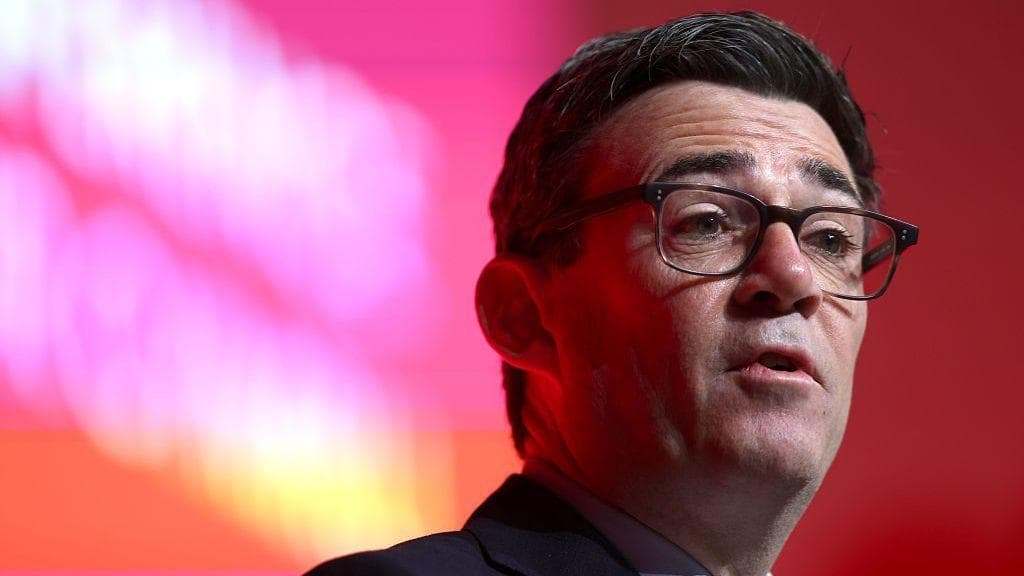
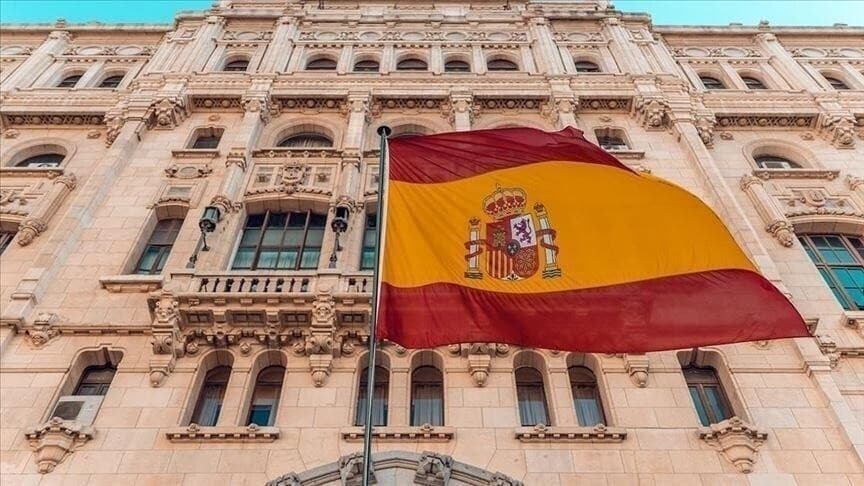
Spain's Foreign Minister José Manuel Albares, speaking in Brussels on Monday ahead of a meeting of EU foreign ministers, called on the opposition People's Party and the far-right Vox party to abandon their 'hostile' stance on the agreement between the EU and the United Kingdom on Gibraltar. According to him, both parties have announced plans to vote against the document and have demanded an end to its provisional application. The European Parliament has not yet approved the deal.
What the agreement provides
Gibraltar, a British overseas territory in the south of Spain, left the EU together with Brexit in 2020. The UK's post-Brexit trade agreement with the EU did not cover Gibraltar, so separate negotiations were held on the movement of people and goods across its land border with Spain. The agreement was signed on 14 July and entered provisional application the following day. It provides for the removal of physical barriers at the border, regulation of the movement of goods, and the alignment of tax rules.
Stakes for the border region
Albares said the agreement provides greater certainty for the roughly 15,000 workers who cross the border daily from the Campo de Gibraltar area, and also attracts investment and creates opportunities for the port of Algeciras. 'This is an agreement about living together. We must not build a fence again. We must not bring back long queues for cross-border workers,' the minister said. He warned that rejecting the document would harm the roughly 300,000 residents of the Campo de Gibraltar and the entire province of Cádiz, calling a return to the previous situation 'completely absurd'.
The electoral dimension
The dispute has become a topic of the campaign ahead of Spain's general election on 29 November. According to the Spanish newspaper La Razon, European Parliament MEP from the People's Party Antonio López-Istúriz said on 2 November that Spain's position would change if his party came to power, and called for stronger guarantees within the new border mechanisms. According to the newspaper, a new Spanish government could, after revising the rules on the movement of people, ask the EU to terminate the treaty, although Madrid itself has no unilateral right to withdraw from the agreement.