The key facts
- Installed power plant capacity grew from 16.49 to 24.74 GW (+50%) over 2021–2025, while electricity deliveries rose by 16.3%
- In June–July 2026 alone, about 4,000 outages occurred in the grids, and electricity losses reached 17.2%
- The Central Bank views reliable electricity supply as a factor in reducing inflation to 5% in the second half of 2027
Capacity grows, grids lag behind
The installed capacity of Uzbekistan's power plants increased by 50% over 2021–2025 — from 16.49 to 24.74 GW, while the volume of electricity deliveries grew by 16.3% — from 74.95 to 87.18 billion kWh. These figures are given in the conceptual draft of the main directions of monetary policy for 2027–2029 prepared by the Central Bank. The growth was driven by the commissioning of new energy facilities and the expanded use of renewable energy sources.
Outages and losses
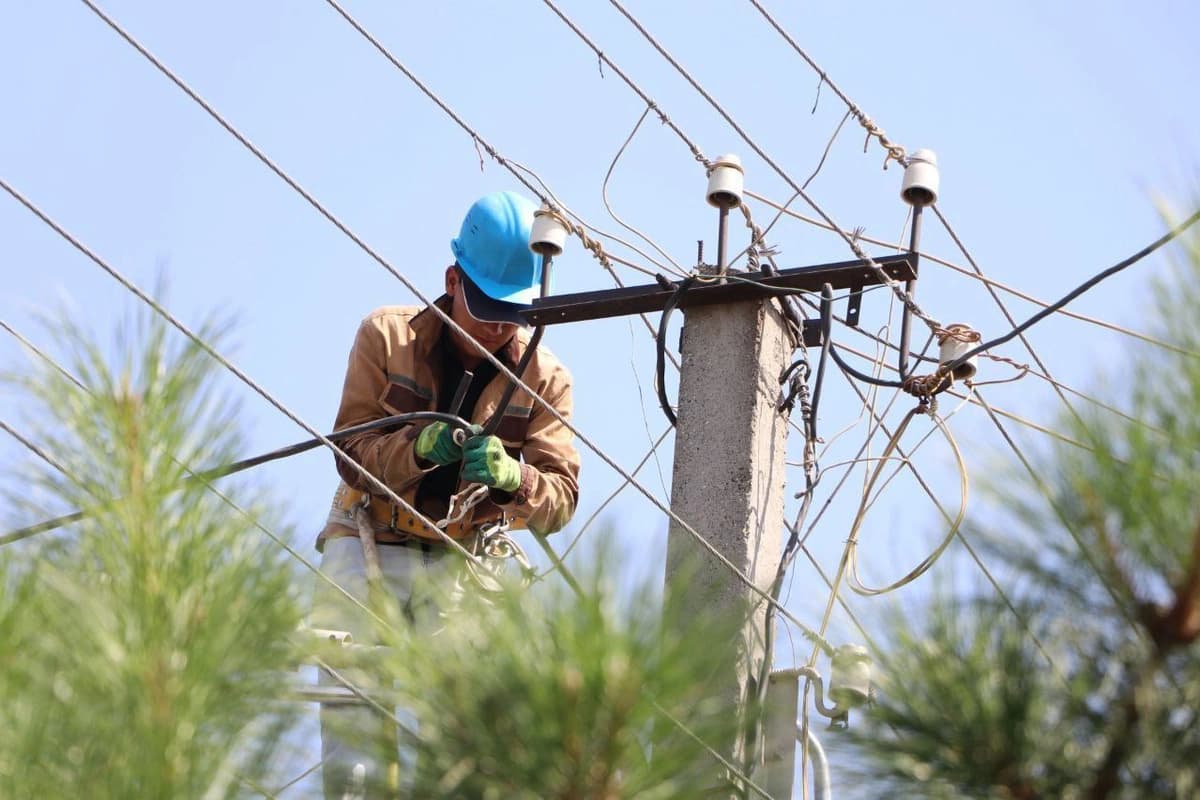
However, according to the regulator's assessment, grid wear, technological losses and limited transmission capacity hinder the delivery of generated energy to consumers even when sufficient generating capacity is available. The scale of the problem is illustrated by official data: in June–July 2026 alone, about 4,000 outages occurred in the power grids, and in a number of districts residents and entrepreneurs were left without electricity for 8–10 hours. Electricity losses in the grids amounted to 17.2%, and over six months their volume reached 4.8 billion kWh. At a meeting with the president, it was also noted that growth in consumption and grid load had not been taken into account in a timely manner when planning infrastructure.
Why this matters for inflation
The Central Bank considers the reliability of electricity supply one of the factors of sustained inflation reduction. Outages lead to production stoppages, additional spending on backup energy sources and higher production costs, which creates pressure on prices. According to the regulator's baseline forecast, inflation should fall to 5% in the second half of 2027. At the same time, the document warns that recurring blackouts and tariff increases may require keeping tight monetary policy — and, accordingly, high interest rates — in place for longer. The Central Bank also notes: bringing tariffs closer to an economically justified level creates a financial basis for modernizing the sector, but tariffs should be raised simultaneously with improvements in service quality and reductions in losses.
Grid modernization: how much it costs
The problem of wear is also confirmed by World Bank estimates: more than half of distribution grid facilities have been in operation for over 30 years, and technical losses in 2024 reached almost 13%. According to the bank's calculations, modernizing and expanding distribution grids by 2030 will require about $3 billion. In May 2025, it approved a concessional loan of $100 million, with another $50 million to be provided by the company Hududiy elektr tarmoqlari: under the $150 million program, over five years it is planned to build and modernize 6,000 km of low-voltage grids, install or replace 1,200 transformers, and connect 150,000 smart meters. In October 2026, financing was announced for another project worth $371 million — the modernization and digitalization of 60 main substations across the country ($200 million from the Asian Development Bank, $100 million from the World Bank, and $71 million from Uzbekistan). The substation upgrades are expected to reduce losses at them by 20,000 MWh per year by 2031 and make it possible to connect an additional 3.3 GW of renewable energy capacity.
Grid targets
At a meeting on February 23, 2026, President Shavkat Mirziyoyev noted that without the construction of additional trunk lines, the capabilities of power plants could exceed grid transmission capacity; it was also stated at the same time that funds allocated for grid development in 2025 were being spent too slowly. The planned measures include the construction of three high-voltage lines with a total length of 602 km, and in Tashkent — 75 km of high-voltage grids and five substations, the modernization of 69 km of grids and 18 substations, and the renewal of 638 km of low-voltage grids and 161 transformer substations. It was previously reported that over the past ten years a total of 30 trillion soums has been allocated for the modernization of electricity and gas grids, substations and transformers.