The key facts
- The UNIFIL mandate expires on 31 December 2026; the withdrawal of the force will begin in 2027
- Lebanon and Israel disagree on what will replace the peacekeepers
- France is preparing a draft UN Security Council resolution; Rubio suggests a civilian rather than military mechanism
Walz's visit to Beirut
US Ambassador to the UN Mike Walz held a series of meetings in Beirut on Monday devoted to the period after the expiration of the mandate of the UN Interim Force in Lebanon (UNIFIL). As the Lebanese presidency reported, he received President Joseph Aoun in the presence of the US Ambassador to Lebanon Michel Issa and Simon Karam, head of the Lebanese delegation at the tripartite talks. Later, Walz met with Prime Minister Nawaf Salam at the Grand Serail and with Parliament Speaker Nabih Berri at the Ain el-Tineh residence; the outcomes of these meetings were not publicly disclosed (Anadolu).
Subject of the talks
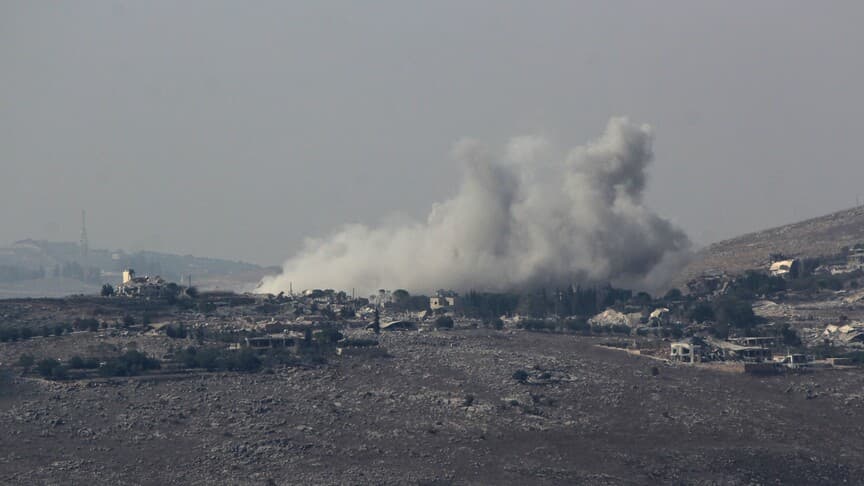
According to the presidency, the meetings concerned the situation in southern Lebanon amid ongoing Israeli strikes and Israel's failure to comply with the framework agreement signed with US mediation in June. The presidency did not disclose details of the post-UNIFIL arrangements under discussion. Walz himself, according to The National, said that he had come to 'see what is happening on the ground', and promised to convey 'everything I heard' to Washington and the UN Security Council: 'We need to reach consensus as a Security Council. That is certainly our intention and, I believe, the intention of France. France is the author of the draft, but we will work on incorporating elements of the trilateral dialogue.'
Diverging positions
The parties differ on what should replace the peacekeepers. Prime Minister Salam, according to The National, stressed the need to continue an international presence in the south with a UN Security Council mandate — with tasks of monitoring, reporting, coordination and support for the Lebanese army in extending state authority. Israel, according to Lebanese officials quoted by The National, rejected Lebanon's proposals regarding the countries that could take part in a multinational force to oversee implementation of the agreement. Secretary of State Marco Rubio last week suggested that the mechanism 'does not necessarily have to be a military mission; it could be a civilian mission,' adding that France could 'be helpful in that regard.' Walz had earlier also stated that Washington was not interested in maintaining the existing peacekeeping mission.
Context: the end of a mission lasting nearly half a century
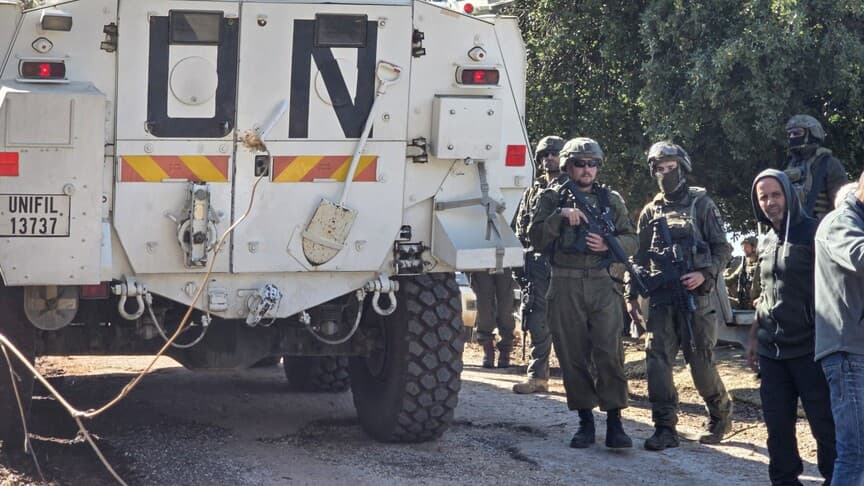
UNIFIL has been deployed in southern Lebanon since 1978, and its mandate was significantly expanded by Security Council Resolution 1701 of 2006: the force monitors the ceasefire and the 'Blue Line' between Lebanon and Israel, reports violations and assists the deployment of the Lebanese army south of the Litani River. On 28 August 2025, the UN Security Council extended the mandate for the last time — until 31 December 2026 — through Resolution 2790, after which the force is to begin a gradual withdrawal during 2027. The June framework agreement provides for Israel's phased withdrawal from occupied Lebanese territories in parallel with the deployment of the Lebanese army; however, as Anadolu notes, Israel continues to hold part of the southern areas — some for decades, others seized during the most recent conflict. Under a trilateral arrangement, implementation of the agreement is to be monitored by a third-party verification commission. Western diplomats, according to The National, are warning the US, Lebanon and Israel of the urgent need for a new multinational monitoring mechanism, fearing a security and humanitarian vacuum in Israeli-occupied southern Lebanon.