The key facts
- Jensen Huang is discussing with trusted associates a return to the post of Nvidia head after resigning last week
- A petition for his reinstatement has gathered more than 160,000 signatures, including Musk, Sweeney and Harry Tan; more than 7,500 signatures have been identified as Nvidia employees
- US Treasury Secretary Scott Bessent believes Nvidia needs a leader from 'outside' and a 'radical shake-up'
The discussed return
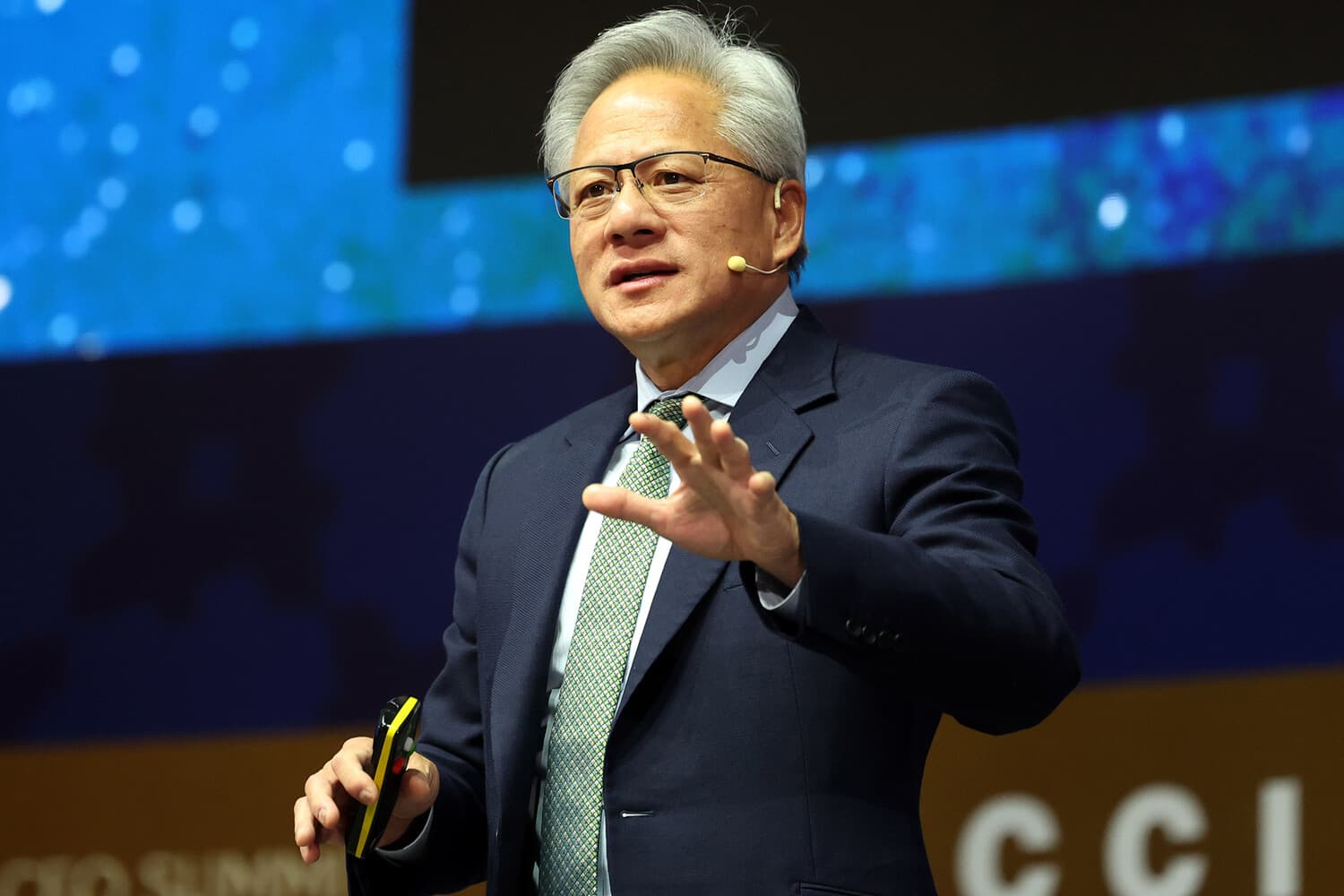
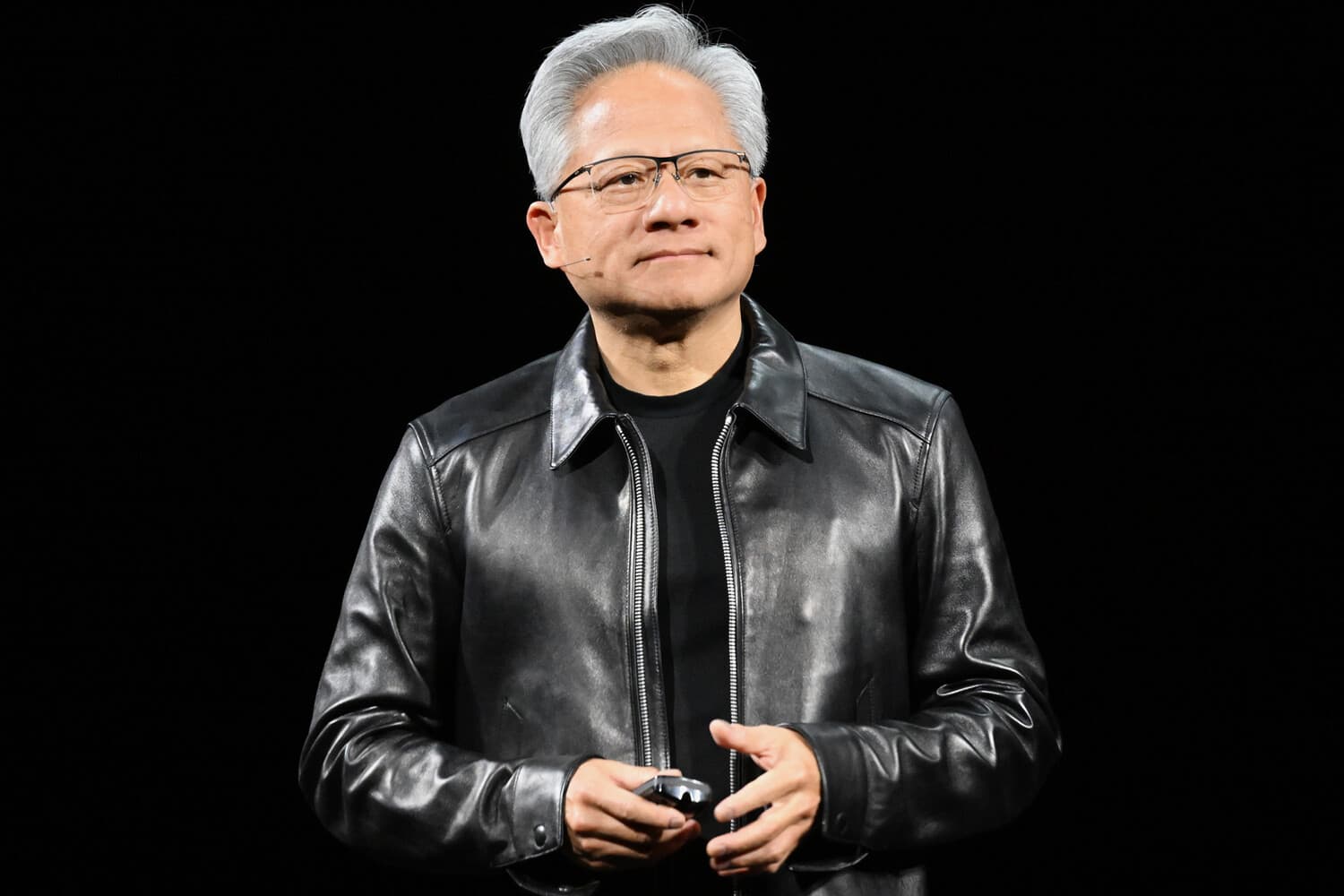
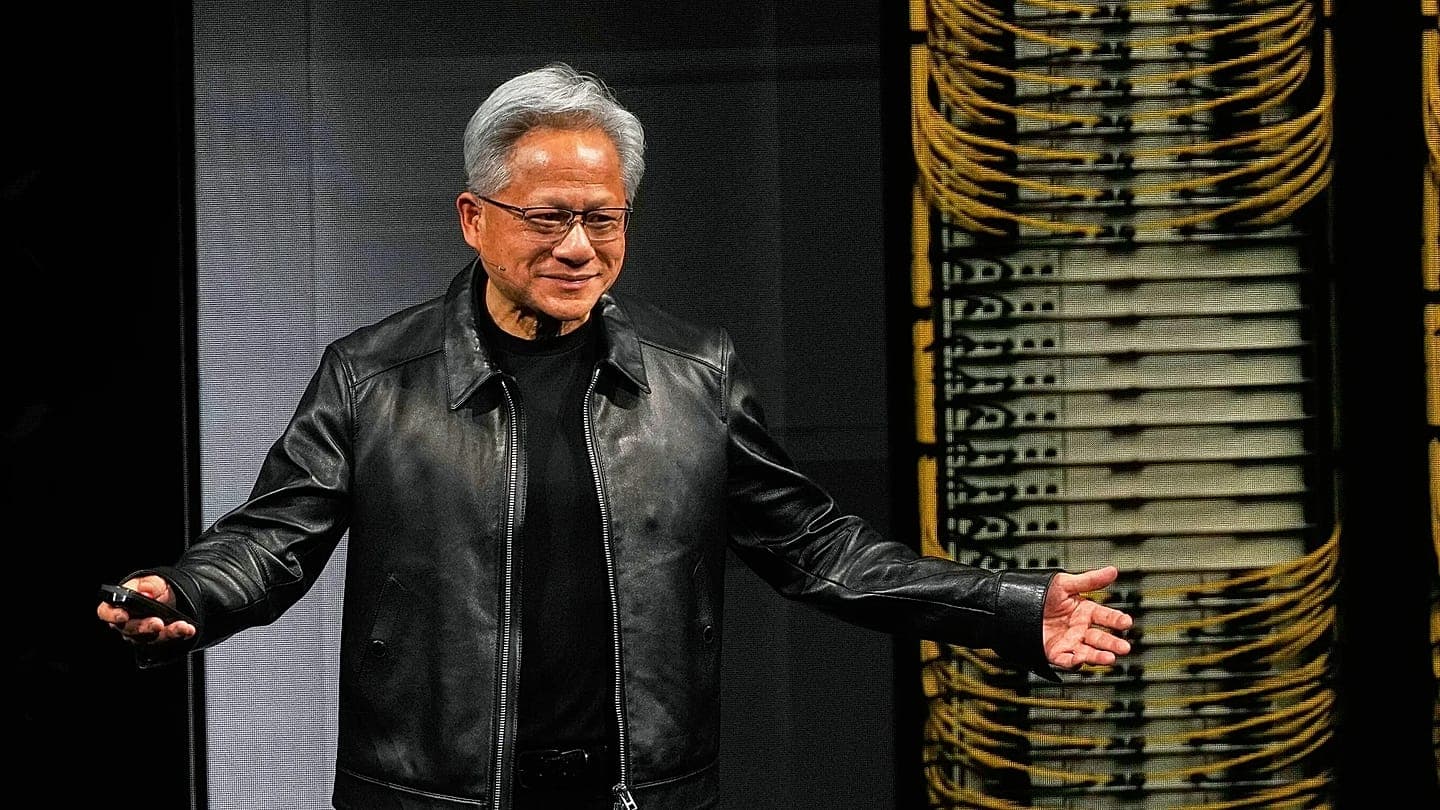
Co-founder and former Nvidia head Jensen Huang, who resigned last week after several extramarital affairs, including one with an alleged Chinese spy, is discussing with trusted associates the possibility of returning to his post. According to the Financial Times, one of Huang's allies said that a 'war room' of technology executives is forming in Silicon Valley that will lobby for his return.
Petition and split in positions
At the same time, technology executives, including Elon Musk, launched an online petition demanding Huang's reinstatement; it has gathered more than 160,000 signatures. Among the signatories are also Epic Games head Tim Sweeney and Y Combinator head Harry Tan, and more than 7,500 signatures were identified as Nvidia employees. However, opposing views are also being voiced in the US: Treasury Secretary Scott Bessent said on Fox News that Nvidia should look for its next leader 'outside' the company, since it needs a 'radical shake-up.' He also called on Nvidia to explain whether the company knowingly allowed the supply of its most advanced semiconductors to China.
Context of export restrictions
The US bans the sale of the most advanced chips to China as part of a strategy to maintain leadership in the artificial intelligence race; this measure was introduced under former President Joe Biden, who signed the CHIPS Act. For Nvidia, this was a blow, since China was one of the largest markets for its GPUs. Then, under the Trump administration, Huang lobbied for a loosening of export controls, holding several meetings with President Donald Trump. In the end, Trump allowed the export of more powerful H200 chips to China in exchange for 25% of revenue.