The key facts
- Hundreds of schools in Italy received bomb threat emails warning of an explosion within 40 minutes; no evacuations were ordered
- The Interior Ministry had earlier instructed schools not to be evacuated automatically without objective evidence of danger
- The sender's trail leads to a research center in Da Nang (Vietnam); a hacked account and VPN use are being investigated
A new wave of threats and a new response tactic
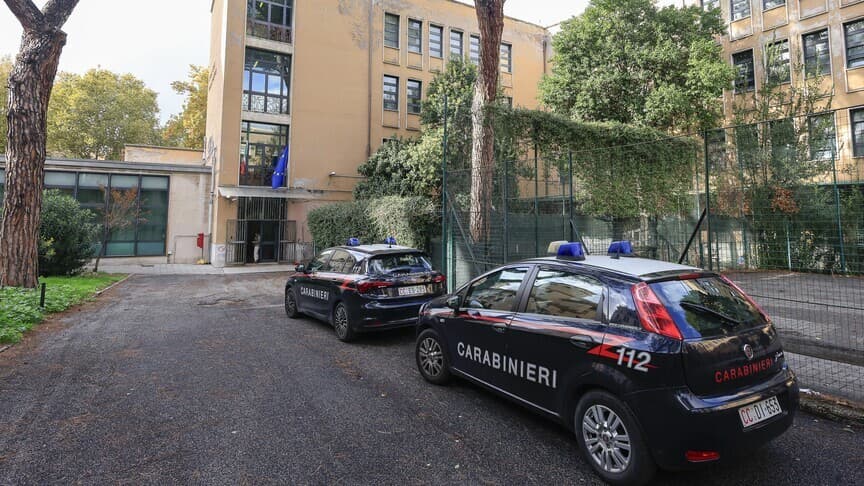
Hundreds of schools across Italy received emails threatening an explosion on Monday, but no evacuations were carried out. According to Anadolu, citing Italian media including broadcaster Sky TG24, the email was signed with the initials 'MA' and attributed to Mikhail Andropov; the sender warned that the explosion would occur within 40 minutes. This came after similar emails were sent to thousands of Italian schools in recent days: on that occasion, students and teachers were evacuated, but all the threats turned out to be false.
How the authorities are now acting
In response to the series of false alarms, the Italian Interior Ministry issued an operational circular instructing prefects and school administrations not to automatically evacuate buildings in response to recurring threats without objective evidence of danger. The messages are passed to the police for technical checks and inspections, and classes continue if no immediate threat is found. The risk is now assessed by prefects on the ground, while the investigation is being handled by the police and the Postal Police.
The sender's trail and the authorities' reaction
According to preliminary data, the sender's address was linked to a university research center in Da Nang, Vietnam. Investigators are trying to determine whether the message was sent from a hacked account or whether a VPN was used to conceal the real IP address. Deputy Prime Minister and Foreign Minister Antonio Tajani called the incident an unsuccessful attempt to disrupt the work of schools: according to him, not a single school closed because the threat was clearly false, but the aim was to keep sowing chaos. He also called for greater international coordination in countering hybrid threats, including cyberattacks and hacking.