The key facts
- Automatic pardons for abortions related to one's own pregnancy have come into force in England and Wales — without applications from women, with some pardons posthumous
- Criminal convictions, cautions, and arrest and investigation records are being removed from criminal records
- According to amendment author Tonia Antoniazzi, in the five years before decriminalisation police investigated more than 100 women, including cases of natural miscarriages
Automatic pardons without applications
In England and Wales, effective from Monday, automatic pardons have come into force for women convicted of unlawfully terminating their own pregnancy under the 1861 Offences Against the Person Act. This was reported by Euronews and BBC News, citing the government. The pardons also extend to those who received police cautions: women do not need to apply, and some pardons will be issued posthumously. Records of arrests and investigations into the termination of one's own pregnancy are being removed from criminal records. Minister for Victims and Violence Against Women and Girls Alex Davies-Jones emphasised that women do not need to take any action, and information can be obtained online and through a dedicated casework team.
What changed in the law
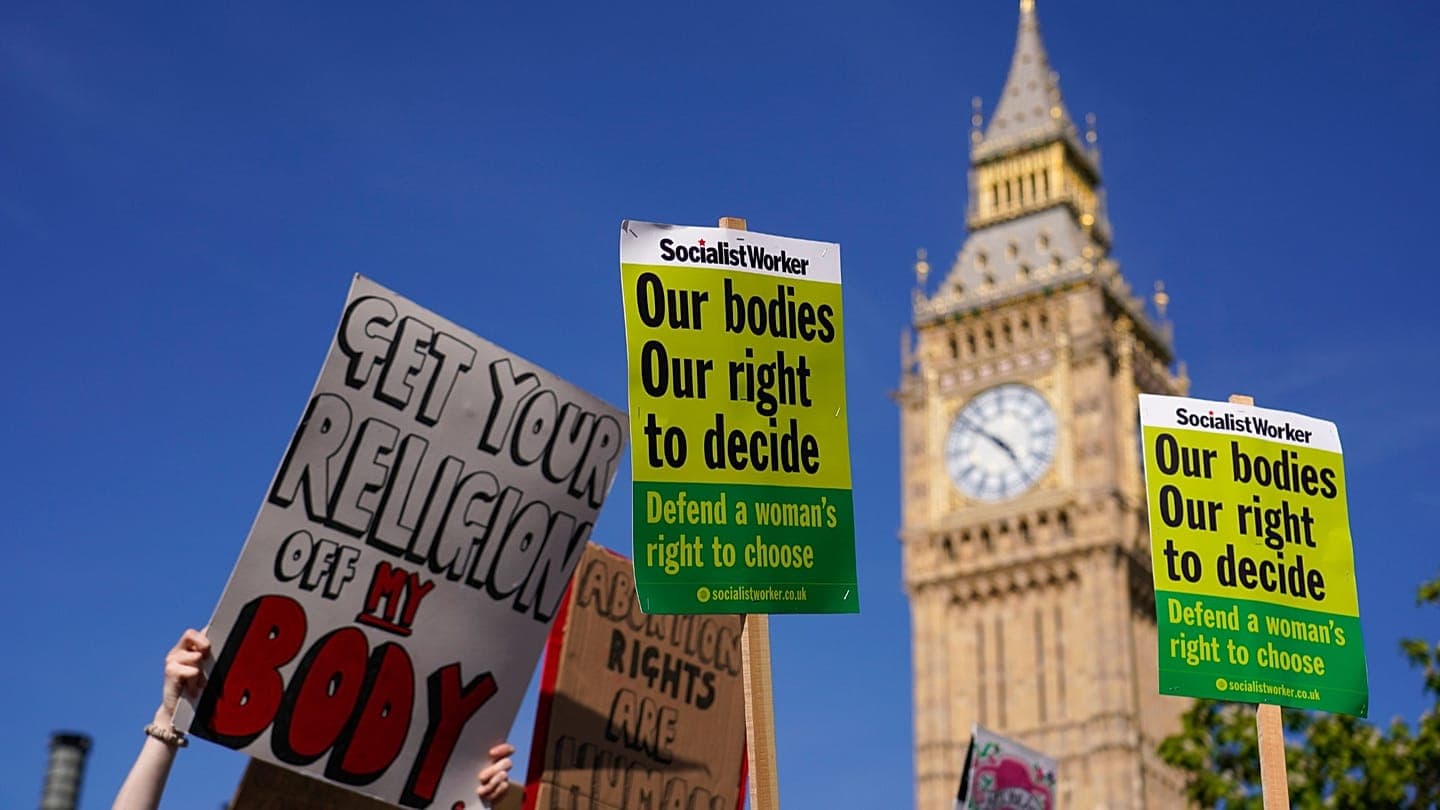
The change resulted from a parliamentary vote passed last year to decriminalise abortion by repealing the relevant section of the 1861 Act, initiated by Labour MP Tonia Antoniazzi. According to Euronews, under the Crime and Policing Act, which came into force this spring, women who terminate a pregnancy at any stage are no longer prosecuted. The rules for performing abortions themselves have not changed: in England, Scotland and Wales, doctors may legally perform an abortion up to 24 weeks, and after that only in special circumstances, such as a threat to the mother's life; taking prescribed pills at home is legal up to 10 weeks of pregnancy. In Northern Ireland, abortion was decriminalised back in 2019. The amendment was criticised by anti-abortion campaigners, who believed it would open the way to abortion on demand at any stage.
Scale and human stories
The government did not name the number of affected women, but Antoniazzi, who said the change would 'erase the names' of more than 100 women, stated that in the five years before the vote, police investigated more than 100 suspected illegal abortions — including cases of natural miscarriages and stillbirths. She described how women suspected of illegal abortion were 'dragged from hospital beds into police cells' instead of receiving care. The law changed after high-profile trials: in 2023, mother of three Carla Foster was sentenced to more than two years in prison for the medical termination of a pregnancy at around eight months, but a month later the Court of Appeal released her, noting that the case required 'compassion, not punishment'. In May 2025, a jury acquitted Nicola Packer, who was accused of unlawfully taking a substance with intent to terminate a pregnancy: she took the pills mifepristone and misoprostol, prescribed over the phone due to Covid restrictions, in 2020, not knowing she was more than 10 weeks pregnant (according to the prosecution, knowing — which she denied). The jury deliberated for more than six hours. Her friend Helle Thorning-Schmidt told the Today programme that after the stillbirth, Packer was arrested right in the hospital and forced to use the toilet with the door open in the presence of police officers; the investigation lasted five years. The Royal College of Obstetricians and Gynaecologists said at the time that the trial showed how 'outdated and harmful' the law was. Heidi Stewart, head of the British Pregnancy Advisory Service, noted that no pardon can undo the suffering endured, but the change acknowledges the harm caused by criminalisation and is 'a meaningful step towards justice'.