The key facts
- ONE is valued at $600 million pre-money, the combined company at $1 billion, ticker ONEE on Nasdaq
- A total of $483 million raised; peak valuation was $1.3 billion, followed by layoffs and abandonment of a $1.6 billion factory
- A total of $483 million raised; peak valuation was $1.3 billion, followed by layoffs and abandonment of a $1.6 billion plant
- Currently three lines of business: grid-scale, defense and railroads; revenue of $30 million expected this year
- Now three lines of business: grid-scale, defense, and railroads; revenue of $30 million expected this year
The deal and valuation
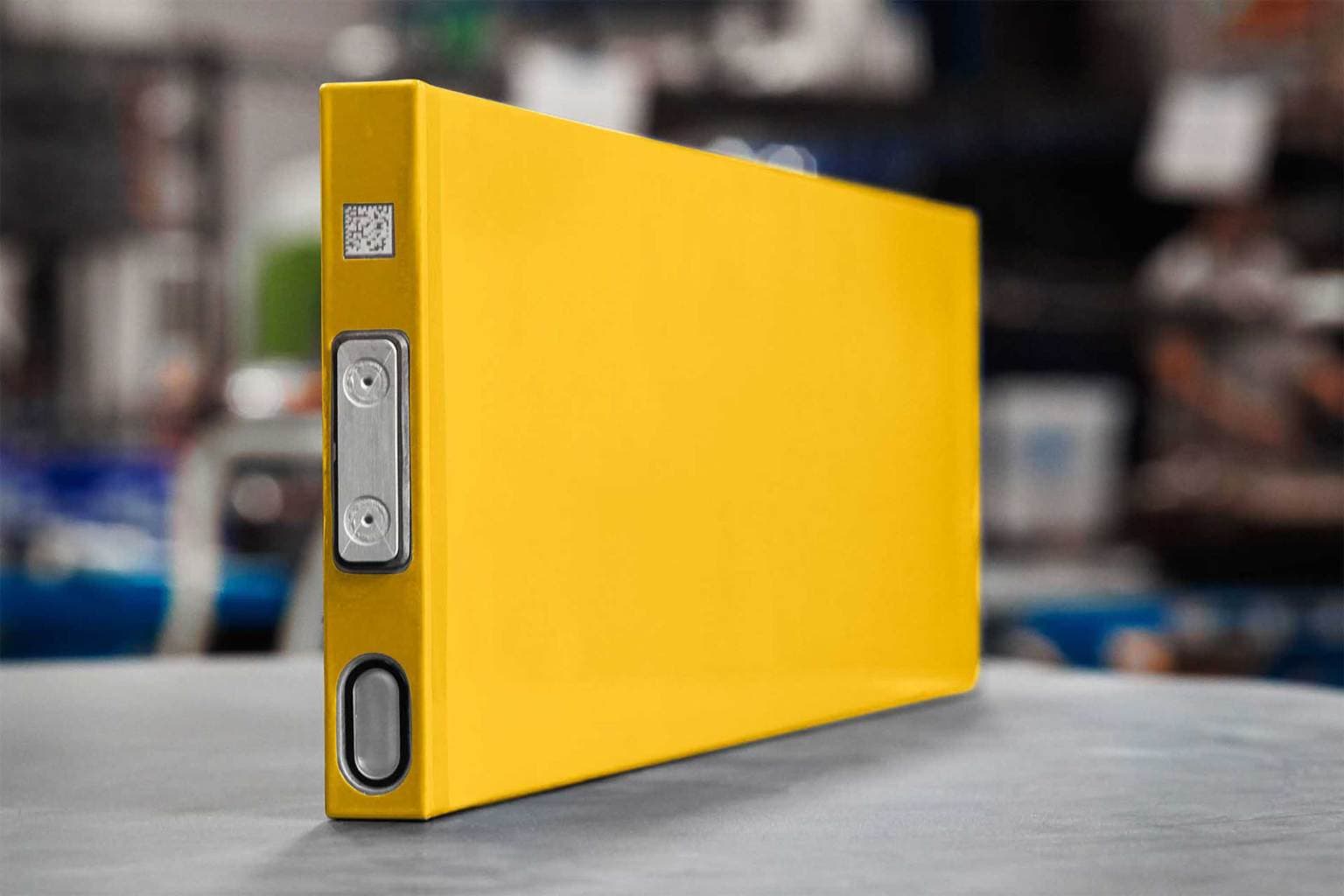
Battery startup Our Next Energy (ONE) told TechCrunch that it will go public through a merger with the SPAC company Wen Acquisition Corp. The company is valued at $600 million pre-money; if investors do not redeem their shares, the deal will bring in $400 million in gross proceeds. The combined company will trade on Nasdaq under the ticker ONEE, with an implied value of $1 billion. According to PitchBook, over its existence ONE has raised $483 million and at one point was valued at $1.3 billion; it also received tens of millions of dollars in state of Michigan incentives for investments and jobs.
From two EV batteries to crisis
ONE was founded by Mujeeb Ijaz, who previously worked as an engineer at Ford and Apple. His idea was for an electric vehicle to be powered by two batteries with different chemistries: a lithium iron phosphate (LFP) battery would be used for everyday driving, while a more energy-dense but less durable manganese battery would serve for rare long trips. The first prototype traveled more than 600 miles on a single charge. However, the EV market grew slower than expected, automakers sought cheaper purchases — mostly from China — and an attempt to raise a Series C round in late 2023 failed. The startup had to lay off a significant portion of its staff and walk away from the lease for a planned $1.6 billion factory in Michigan. In December 2023, Ijaz was removed from the CEO post, but in March 2025 he returned after the closing of a new funding round, which was co-invested by his brother's investment firm.
A pivot to grid-scale, defense and railroads
One of the criticisms of ONE during Ijaz's first tenure was that the company spread itself across too many products. Upon returning, Ijaz announced exiting the automotive market and focusing on stationary storage for power grids. He noted that grid-segment customers, like automakers, are willing to buy from China while prices are low, so the company looked for a 'more durable market' — customers who value an American-made battery. That is how the defense and railroad lines of business emerged. In defense, according to Ijaz, the bulk of the market consists of drones and submarines, as well as defense-purpose data centers ($4.1 billion out of $16.2 billion); the railroad solutions market is estimated at $28.2 billion. ONE built a hybrid locomotive with a 2.8 MWh battery and a 'micro-hybrid' with a smaller battery for faster diesel starts; according to Ijaz, customers see a 50% reduction in diesel fuel consumption.
Context and outlook
ONE is not alone in pivoting away from EV batteries: Ford and GM have also announced their own energy storage products against the backdrop of growing demand from data centers serving AI. The bet on LFP is not new for Ijaz: a little over ten years ago he headed the automotive division of A123 Systems — the company that first commercialized this chemistry. Today ONE operates a battery pack assembly plant in Novi, Michigan, with a capacity of 3 GWh per year, using cells from Chinese and non-Chinese suppliers, as well as its own cells from a nearby plant being upgraded to 50 MWh per year. This year the company expects revenue of $30 million and hopes to double it next year; it has $200 million in binding multi-year contracts with railroads and defense contractors. These markets, however, are smaller than the EV battery sector, which, according to Grand View Research, is worth about $73 billion today and could grow to $200 billion by the end of the decadeONE has not abandoned the automotive industry entirely: Ijaz called it a 'race to the bottom on margins' and said he would consider a contract if one came along, but 'not at any cost.' The company's bet rests on FEOC restrictions: the US government cannot procure batteries made in China or from minerals sourced through China-controlled supply chains — but, as TechCrunch notes, many competitors are targeting the same opportunity, and the success of the listing will depend on whether investors believe ONE has left its turbulent past behind.