The key facts
- Business registration is conducted on the basis of presidential decree PF-190 of September 10, 2026 and Cabinet of Ministers resolution No. 557 of October 9, 2026
- By 2030, the statistical reporting burden on entrepreneurs is planned to be reduced by 20%
- From January 1, 2027, microfirms and small enterprises will be selected for quarterly sample surveys no more than once a year
Why business registration is needed
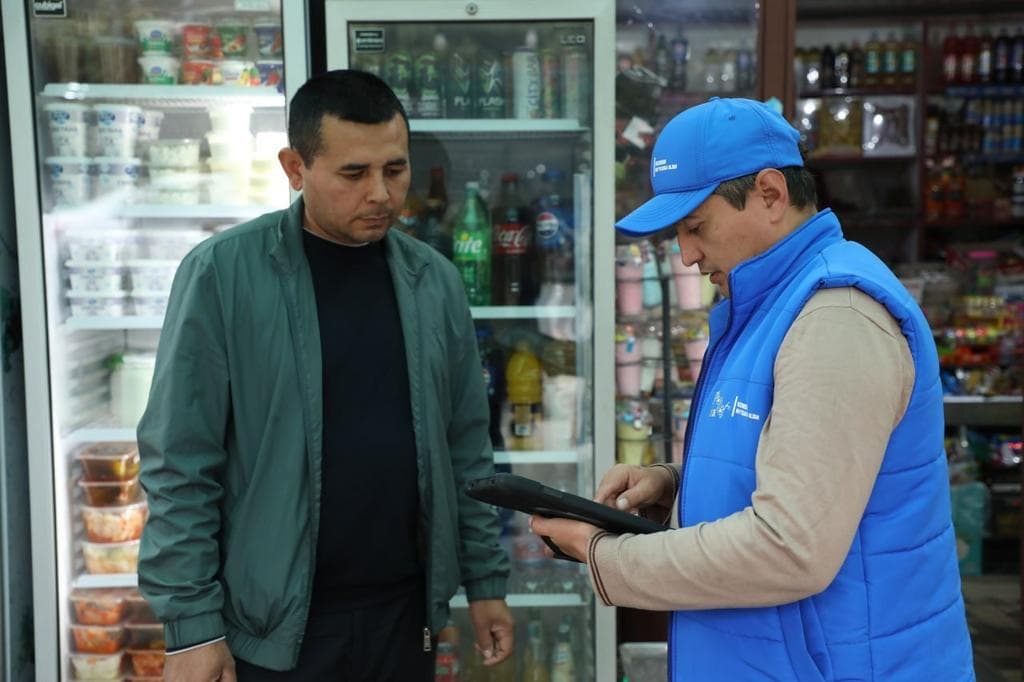
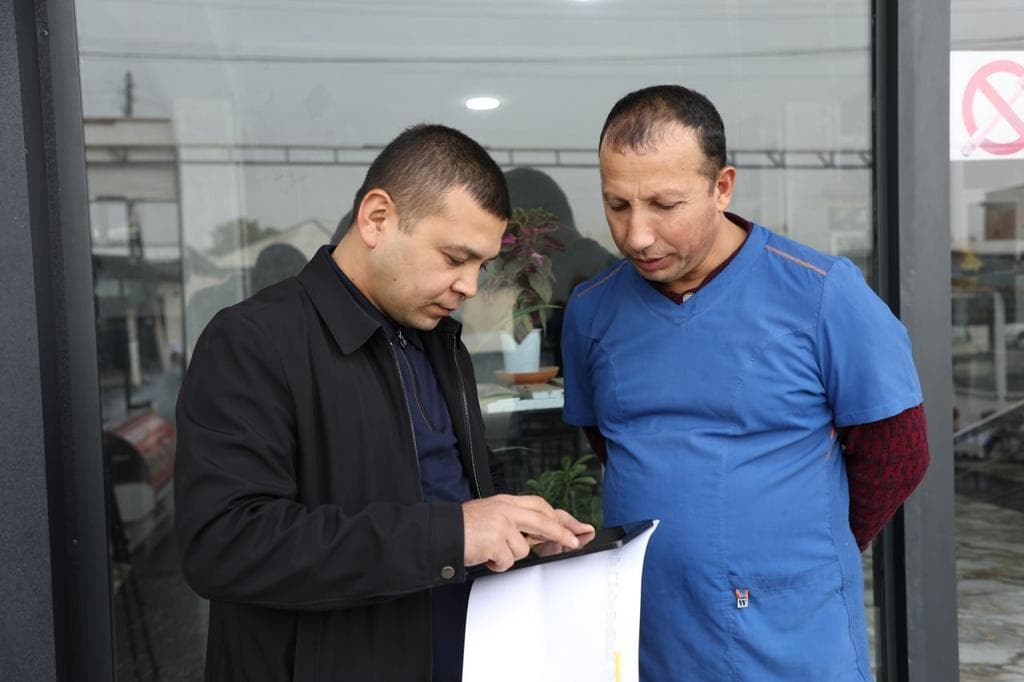
In Uzbekistan, a business registration is underway, intended to provide a more accurate picture of the state of the economy. According to statistical agencies, in recent years noticeable changes have occurred in the entrepreneurial environment: alongside traditional enterprises, e-commerce, online trade, remote services and self-employment have become important areas of economic activity. Because of this, assessing the economy solely on the basis of administrative data generated at state registration is no longer sufficient: legally, an enterprise may be registered at one address, but in fact operate in another region, change its main type of activity, or enter new sales channels.
Legal basis and long-term goals
The registration is conducted on the basis of the decree of the President of the Republic of Uzbekistan PF-190 of September 10, 2026 and the Cabinet of Ministers resolution No. 557 of October 9, 2026. The process is linked to the national strategy 'Statistics Development — 2030', which sets several long-term goals. By 2030, the statistical reporting burden on entrepreneurs is planned to be reduced by 20%. The number of administrative and alternative data sources used in compiling official statistics is expected to increase 1.7-fold. In addition, under the presidential decree, from January 1, 2027 a new procedure is introduced under which microfirms and small enterprises will be selected for quarterly sample surveys by statistical agencies no more than once a year.
Who the process covers
The registration is not limited to large enterprises and factories: all categories of economic units participate in it in formats appropriate to them. The process is of particular importance for regional development programs and employment policy: to make them more effective, accurate data are needed not on the 'paper' address of companies, but on where and how many jobs are actually being created. The full list of participant categories and the data collection procedure are not fully disclosed in the available materials.