The key facts
- Major Steven Ramsbottom filed a complaint with the House and Senate armed services committees
- The March 1 strike on the facility at the Shuaiba port in Kuwait killed six US Army Reserve service members
- Ramsbottom says he repeatedly warned command about the facility's vulnerability to air attacks
Complaint after the strike that claimed the first American lives in the war with Iran
US Army Major Steven Ramsbottom, who survived the Iranian strike on a temporary operations center in Kuwait, has filed a whistleblower complaint alleging that the Pentagon ignored concerns about insufficient protection for service members. The complaint was sent last week to the House and Senate armed services committees. CNN reported on the complaint, and the major himself gave an interview to CBS's 60 Minutes.
What happened on March 1
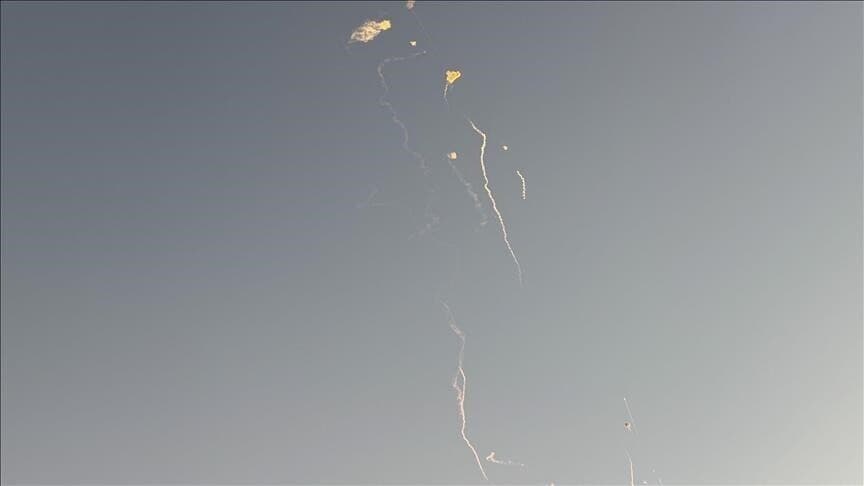
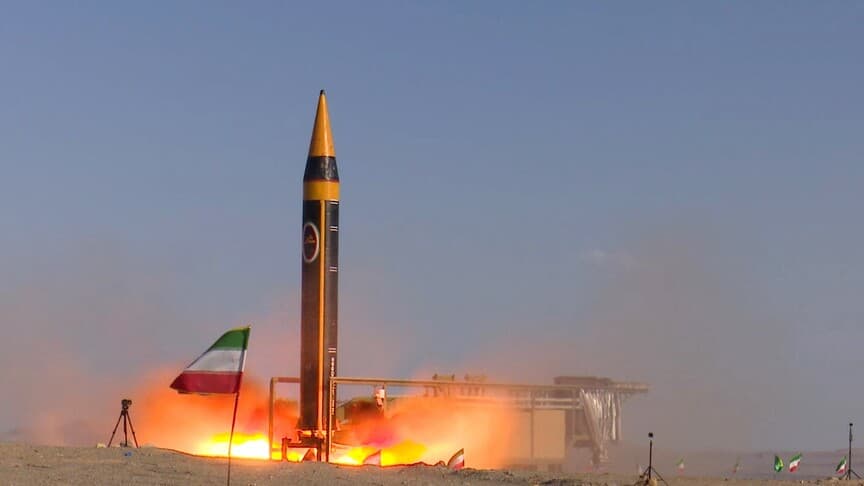
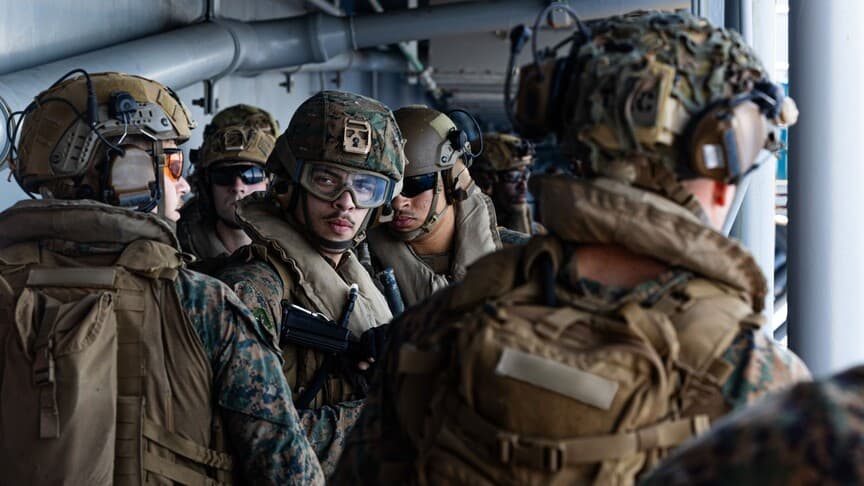
The March 1 strike on the facility at the Shuaiba port in Kuwait killed six US Army Reserve service members — the first American troops killed in the war with Iran. Dozens of others, including Ramsbottom himself, were wounded. In the interview, he called the attack a 'tactical failure' of the Army, the leadership, and himself: 'We simply didn't plan this properly, and it should be a lesson,' he said, noting that some had described the operations center as a 'trailer park.'
The facility's vulnerability and lack of protection
According to CNN, citing a source familiar with the facility, its defenses consisted mainly of concrete barriers designed to protect against attacks involving vehicle-borne explosives, but not necessarily against drones or missiles — even though at the time senior Pentagon officials described the facility as fortified. According to the source, the strike came without warning or sirens alerting personnel to take shelter in a bunker.
Warnings that went unheeded
Ramsbottom said he repeatedly raised the issue of the facility's vulnerability to air attacks at several meetings with superiors, but was told that additional protection was not needed. According to him, the military later discussed sending a drone countermeasure system to the facility, but it never arrived; it remains unclear whether such a system was ever officially ordered or requested.
Medical readiness and the Pentagon's response
The complaint also states that at the time of the strike there was no doctor or permanent medical station at the facility — medical support was limited to a single ambulance. At a press conference after the March attack, Defense Secretary Pete Hegseth said the US had 'magnificent air defenses,' while acknowledging that one projectile managed to penetrate the defenses during the strike.
Political context
The complaint was filed as Democrats prepare sweeping investigations into the Trump administration's conduct in the war with Iran after they gain control of Congress in January.