
The key facts
- Southern armed forces announced a withdrawal from Dhubbab airport and the Bab el-Mandeb area, naming the defense of Aden as the priority
- The Houthis seized the coastline near the strait in September, including Mokha and Perim Island; in October, pro-government forces said they had 'secured' the area
- According to AFP, the Houthis are roughly 60 km from Aden; the UN estimates the number of displaced people at nearly 330,000
Troop Withdrawal from the Strait Area
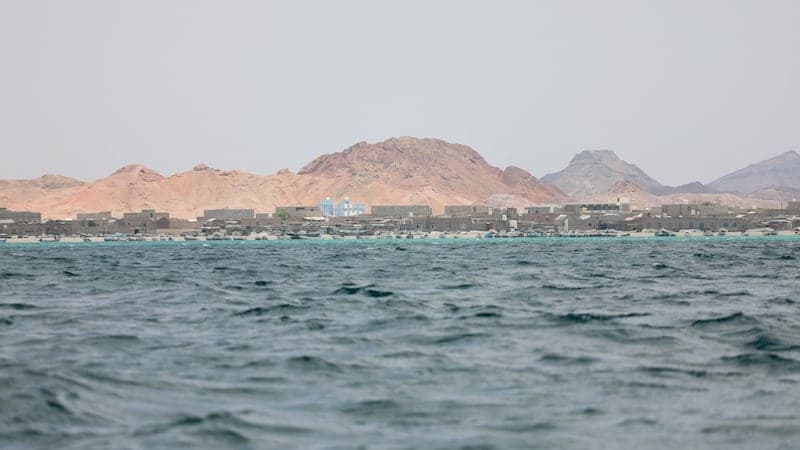
The southern armed forces, fighting on the side of Yemen's internationally recognized government and backed by Saudi Arabia, announced on Sunday the redeployment of their units from Dhubbab airport and the Bab el-Mandeb area west of Taiz province. In the statement, the move was explained by the 'priority of ensuring the security of the interim capital Aden and neighboring provinces,' as well as the need to strengthen front lines and 'confront existing threats.' As a result, the area overlooking the strait has once again come under the control of the Iran-backed Houthis.
From Advance to Retreat in a Matter of Weeks
The retreat changes the picture that took shape after the Houthis' September offensive, during which they captured most of the coastline near the strait, including the strategic port city of Mokha and, according to their claims, Perim Island at the mouth of the strait. In October, pro-government forces reported that they had 'secured' the Bab el-Mandeb area and retook Dhubbab, but were unable to hold it. Houthi media reported on Sunday that the group had taken control of the territory; Saudi Arabia did not comment.
Why It Matters
The Bab el-Mandeb Strait connects the Red Sea with the Gulf of Aden and the Indian Ocean and is a key corridor for maritime trade and energy shipments. According to the BBC, the Houthis' capture of the strait contributed to rising global oil prices, since Saudi Arabia, after the de facto closure of the Strait of Hormuz during the US-Israel war with Iran, relied on exports through the Red Sea. The Houthis said they do not threaten international shipping in the strait but will continue attacking vessels flying the Saudi flag.
Aden Under Threat and the Siege of Taiz
The reason cited for the redeployment is the threat to Aden — the interim capital, where the Presidential Leadership Council is based and where more than a million people live. According to AFP sources, Houthi forces are located roughly 60 kilometers from the city. At the same time, the southern forces said the regrouping should help lift the Houthi siege of Taiz — Yemen's third-largest city with a population of nearly two million, where the blockade has created threats of famine and a crisis in hospitals with limited supplies. According to the UN, nearly 330,000 people have been displaced as a result of the escalation in Yemen; Taiz is receiving about half of the 300,000 displaced people from the latest wave, while humanitarian aid is not reaching the city and civilians cannot leave it.
Escalation Against the Backdrop of the War with Iran
The fighting is unfolding against the backdrop of a broader conflict: after the informal truce in place since 2022 collapsed in July, the Houthis declared a 'naval blockade' of Saudi Arabia and are striking its airports, oil facilities and tankers in the Red Sea, including the export oil hub of Yanbu, claiming they are responding to the Saudi blockade of their ports and the strike on Sanaa airport. In response, Riyadh has carried out hundreds of airstrikes on Houthi positions. On Sunday, the Houthis said they attacked King Khalid International Airport and Riyadh's financial district; Saudi Arabia did not confirm the attack. Yemen's civil war has continued since 2014, when the Houthis drove the government out of Sanaa, and since 2015 the Riyadh-led coalition has intervened in the conflict.