The key facts
- A doctor from Butembo survived Ebola and carries out outreach work, handing out photos of the disease and a draft of his book
- A doctor from Butembo survived an Ebola infection and carries out outreach work, handing out photos of the disease and a draft of his book
- The outbreak in the DR Congo has killed 5,400 people, with 11,000 infected — the second deadliest outbreak in history
- The doctor supports MSF's findings about disappearing funds and speaks of a shortage of protective equipment; the Congolese government was asked by the BBC for comment
- The doctor supports MSF's conclusions about missing funds and speaks of a shortage of protective equipment; the Congolese government was asked by the BBC for comment
The doctor whose family begged him not to go to the treatment centre
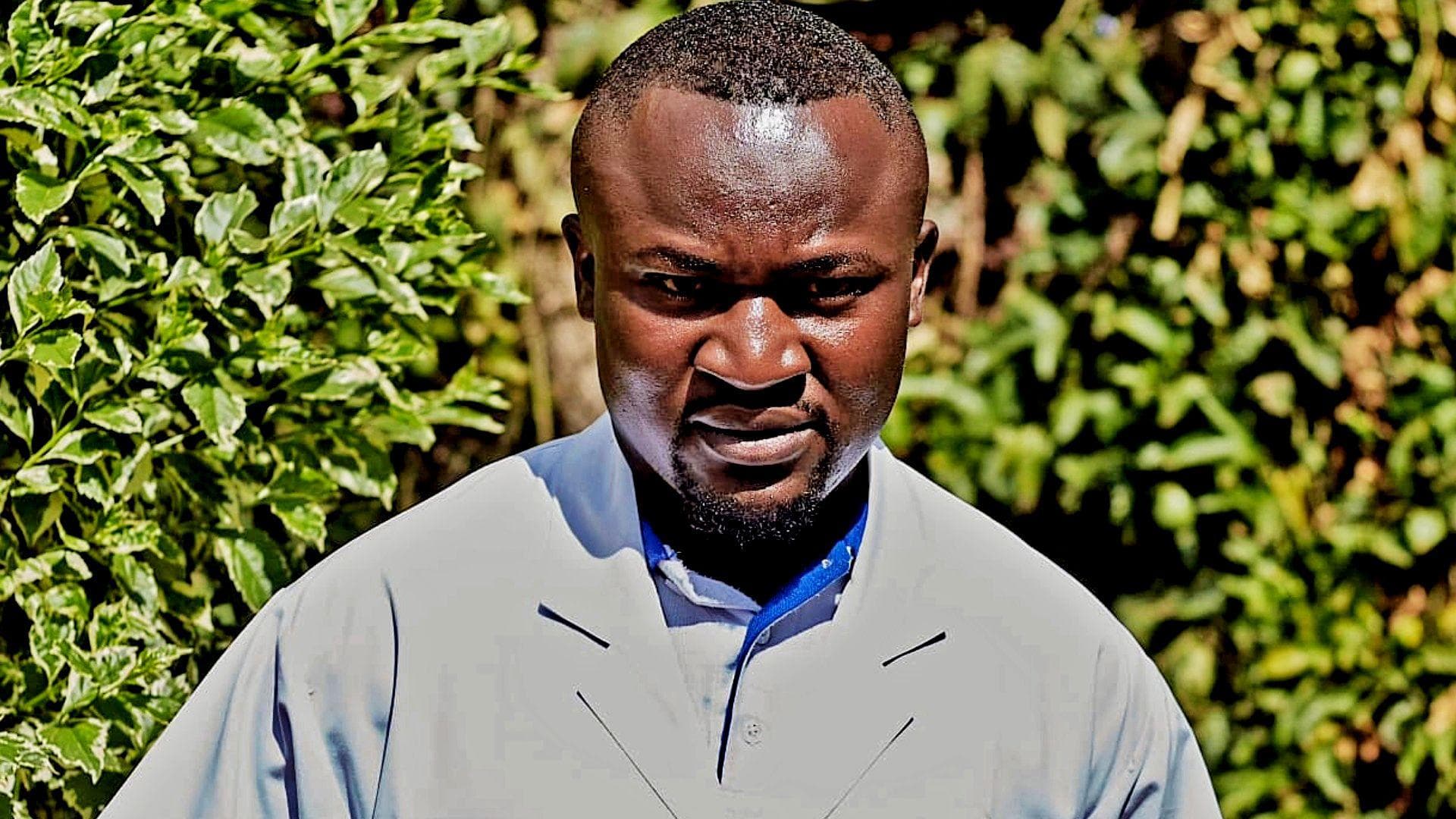
Raymond Kasereka Kamwanga, a 30-year-old doctor at Katwa Hospital in the city of Butembo in the east of the Democratic Republic of the Congo, told the BBChow he decided to go to an Ebola treatment centre despite his family's objections. His 50-year-old mother Masika Ndungo wept and asked: 'Why are you choosing death in an Ebola treatment centre?' — locals considered the specialised unit a 'house of death' from which few returned, especially in the late stages of the illness. But as a medical professional he understood that at home his chances of survival were almost nil. It happened in July, two months after the WHO declared the Ebola outbreak in the DR Congo a public health emergency of international concern. Since then, according to figures cited by the BBC, 5,400 people have died and 11,000 have been infected — the second deadliest outbreak in history. Butembo lies in North Kivu province, the epicentre of the crisis with the highest number of cases, according to the Congolese health ministry.
Three days waiting for a diagnosis and 13 days in the ward
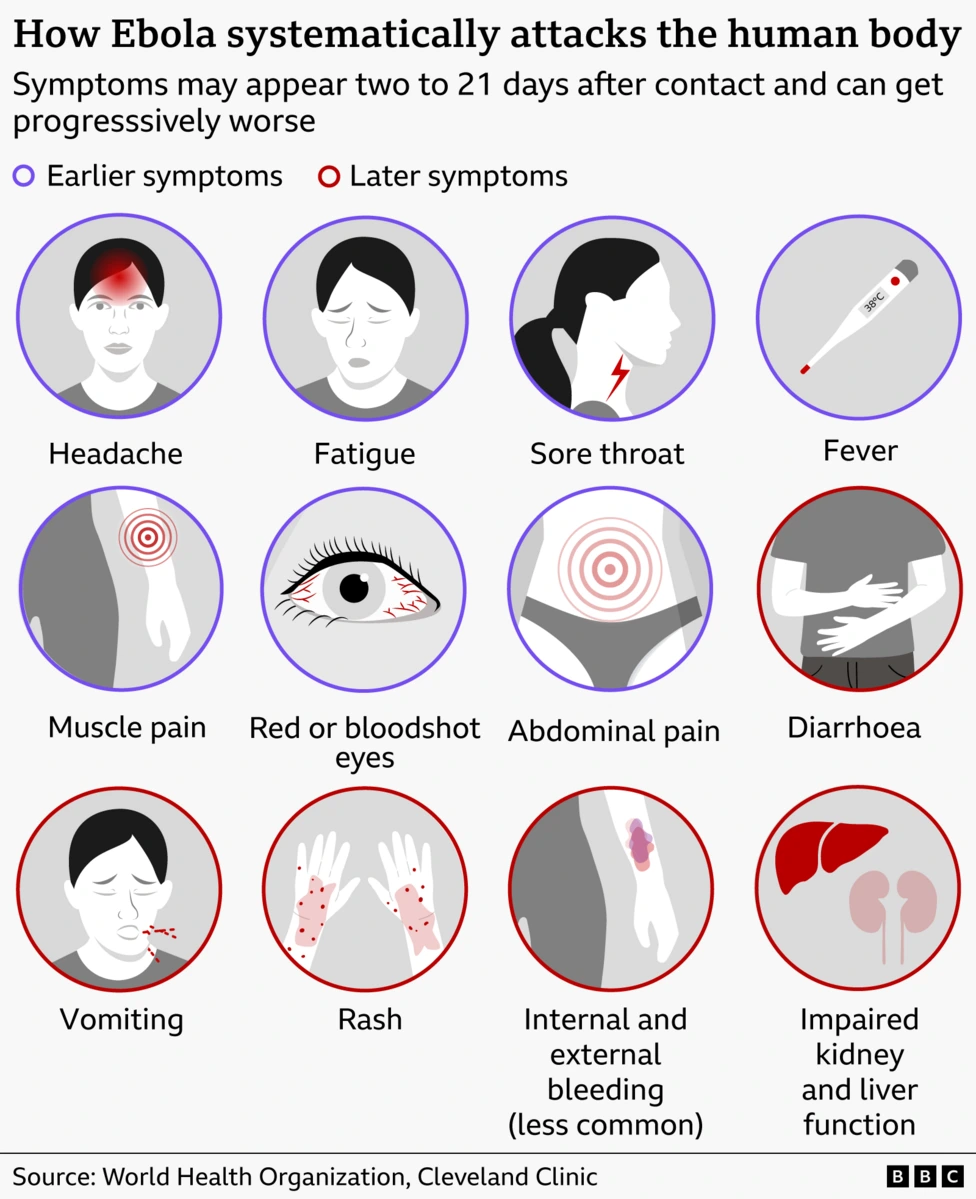
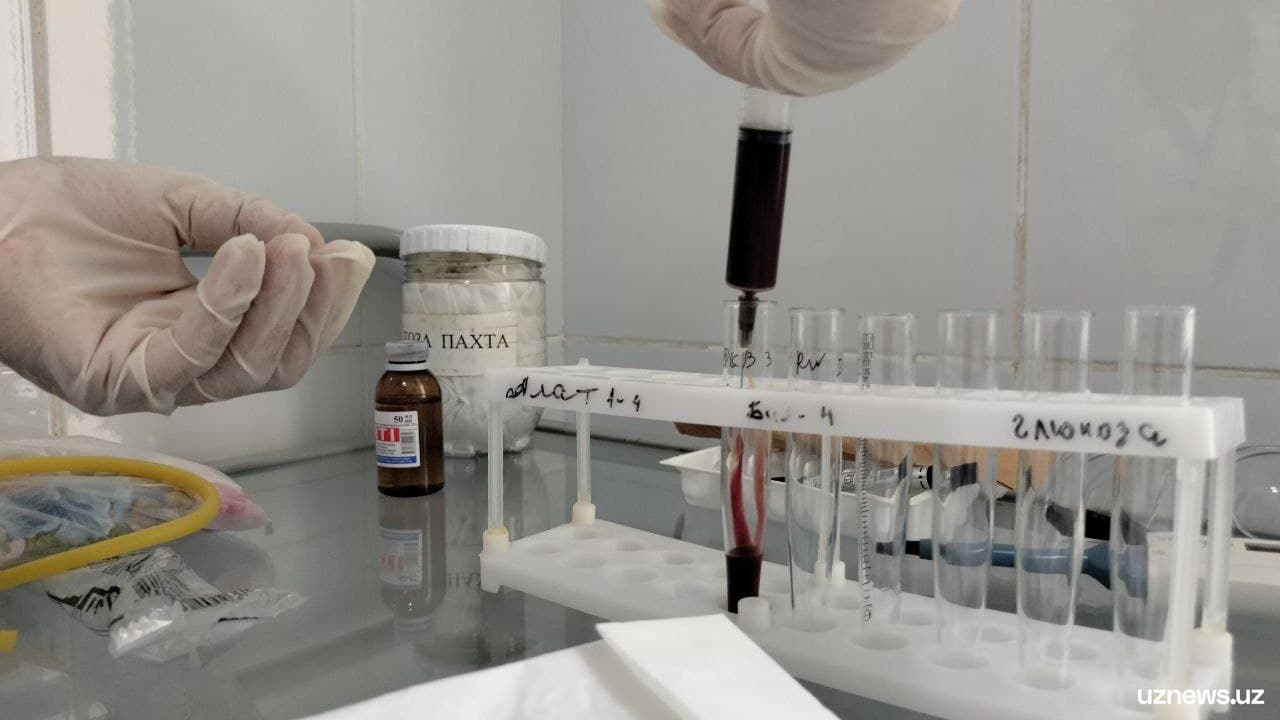
The first symptoms appeared gradually: a bitter taste in the mouth, headaches, general malaise. After an initial examination and tests he was sent home, but his condition did not improve. A rapid Ebola test is impossible in Butembo: samples are sent to Beni, 54 km to the north, and because of the state of the roads in the war-ravaged area the journey takes 48 to 72 hours. On the fourth day Kamwanga began vomiting and had diarrhoea. At around 6 p.m. he walked to the centre, but refused to use the main entrance: he called colleagues and asked them to put on protective gear before isolating him — the virus is transmitted through contact with infected bodily fluids. The current outbreak is caused by the Bundibugyo virus species, for which there is no approved vaccine or treatment; therapy is symptomatic. Kamwanga lost a lot of fluid and struggled to maintain his hydration. 'Every day I watched patients die before my eyes. But I stayed positive,' he recalls. During his 13 days in a hospital bed he kept himself going with films on his phone, reading and TikTok. Even after discharge, the certificate confirming he was virus-free did not immediately dispel the fears of those around him: for 21 days — the virus's incubation period — he lived separately in another part of the house, where at least 18 people were then living, including children and people displaced by recent fighting. The family admits that what they went through changed their understanding of Ebola, and his mother says that seeing it with her own eyes dispelled some of the misinformation.
Outreach work under threats
A week after his recovery, Kamwanga began writing a book, 'The Price of Saving Lives' — it is not yet finished, but he already uses the draft in outreach meetings, also handing out photographs taken during his illness to convince residents that Ebola is real. The mission is difficult: some people believe the campaigns are a way for humanitarian organisations to make money from donor funds. According to the doctor, distrust is fuelled by poverty and the trauma of years of armed conflict: 'Ebola came along with the war' — some even see it as a way for the authorities to 'finish off those the war failed to exterminate'. He himself receives threats in text messages, and some outreach workers, he says, have been attacked by residents. Kamwanga agrees with a recent Médecins Sans Frontières (MSF) report that funds for fighting Ebola are going missing: 'The money allocated to fight Ebola is appropriated by the government. We do not have enough protective equipment.' The BBC approached the Congolese government for comment. Despite the intimidation, the doctor intends to carry on: 'We keep doing what we can with the resources we have — unfortunately, they are very limited.'
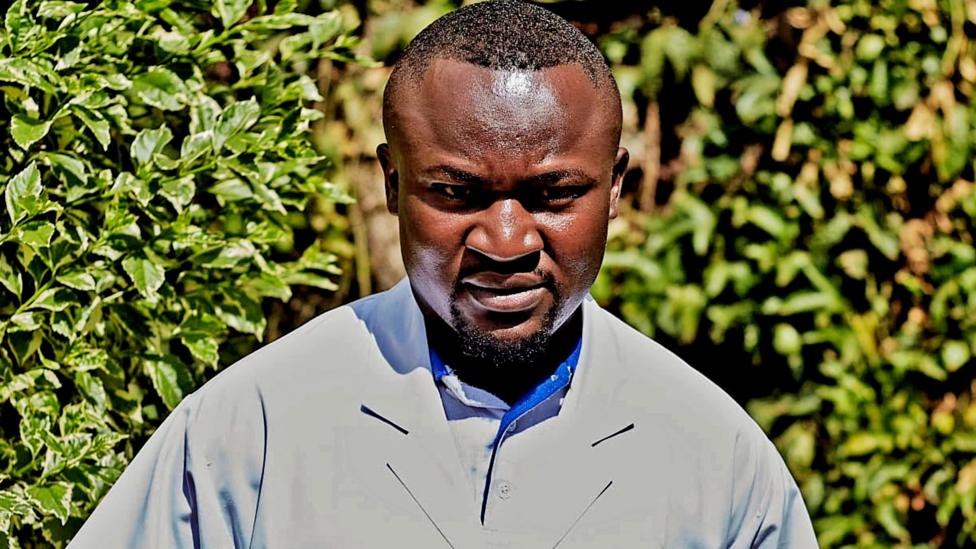 Image source, Braton Serge/BBC
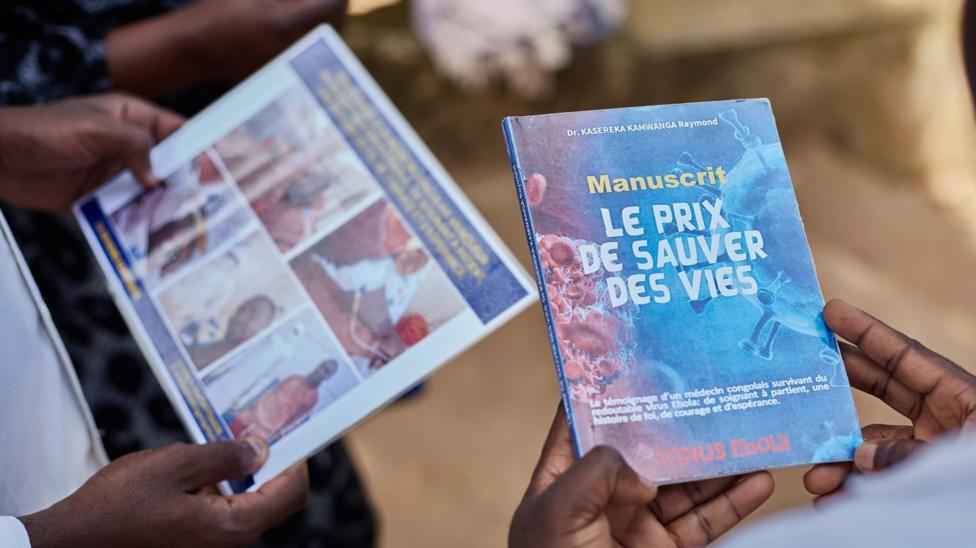 Image source, Braton Serge/BBC
Raymond Kasereka Kamwanga uses his book to help convince sceptics that Ebola is real
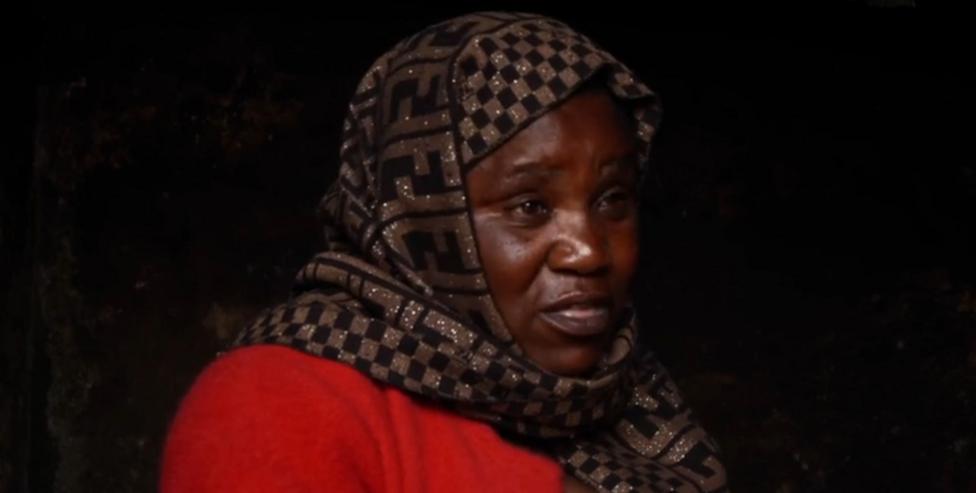
Dr Kamwanga's mother says his experience has helped dispel some of the misinformation she had heard about Ebola