The key facts
- The IRGC reported two tankers hitting mines in the southern part of the Strait of Hormuz
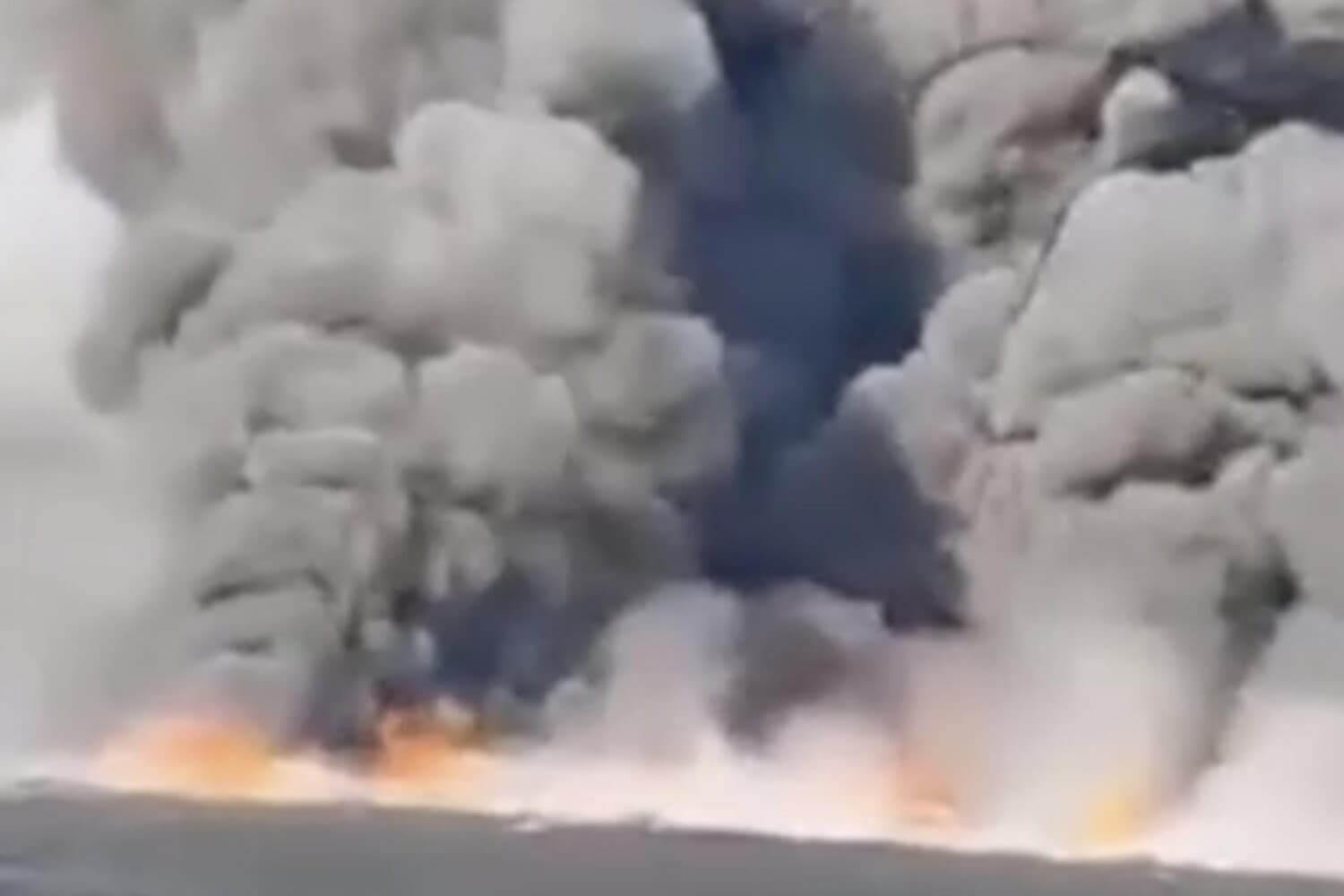
- One of the vessels — a supertanker carrying more than 2 million barrels of oil — sank after the explosion and fire
- The ships' names and crew details were not disclosed; the IRGC claims the tankers were sailing with navigation systems switched off with US support
What happened
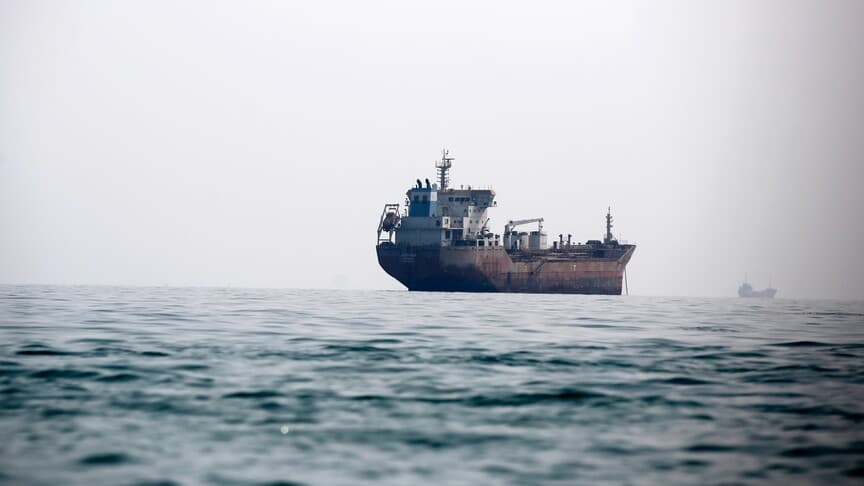
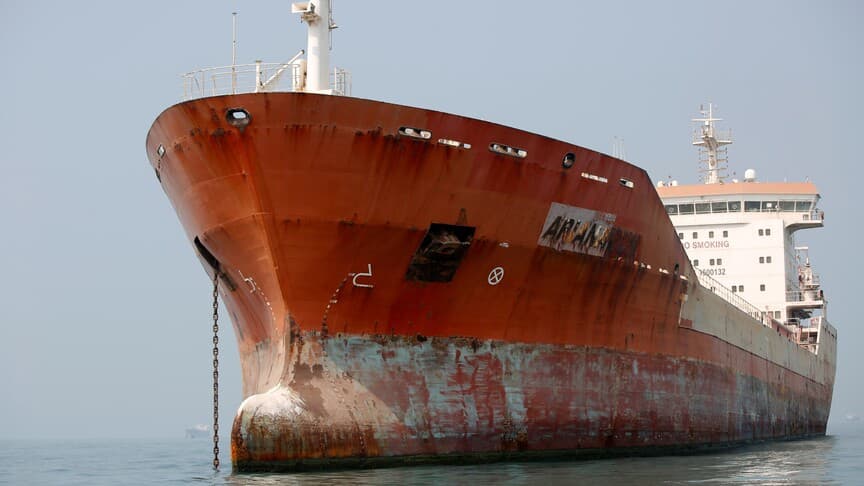
The Islamic Revolutionary Guard Corps (IRGC) reported on Sunday that two oil tankers struck naval mines in the southern part of the Strait of Hormuz, after which severe fires broke out on board. According to the IRGC Navy, the vessels were attempting to pass along a route 'unauthorized' by Tehran. One of the tankers — a supertanker carrying more than 2 million barrels of crude oil — sank in the southern waters of the Persian Gulf. Fishermen were warned about the sunken vessel, while shipowners, shipping companies and crews were urged not to approach the restricted zone in the strait.
IRGC claims and what remains unknown
The IRGC statement claims that the tankers, 'by deception and with the support of the criminal US army,' attempted to cross the strait unnoticed, having switched off all detection and positioning systems. These formulations come from the Iranian side and have not been independently confirmed. The statement does not name either of the vessels and contains no data about the crews, so the fate of the people and the ownership of the tankers remain unknown.
Context of the confrontation in the strait
Iran and the United States are engaged in a bitter confrontation over shipping in the Strait of Hormuz: Tehran has established its own rules for tanker passage and, as the situation is described, uses mines against violating vessels, while the United States, in response, applies direct military control measures in the Middle East waters to deprive Iran of the ability to export crude oil. On July 12, Iran announced the renewed closure of the strait after the resumption of American strikes on Iran, and Tehran warned it would attack vessels traveling outside the routes it has designated or without its permission. The Strait of Hormuz is a key route for global supplies of oil and liquefied natural gas, and shipping disruptions through it heighten concerns over global energy supplies. Earlier, Iran was also demanded to pay for missile attacks on Persian Gulf countries.