The key facts
- Ghalibaf stated that Iran is ready either for an agreement on seven conditions or for war
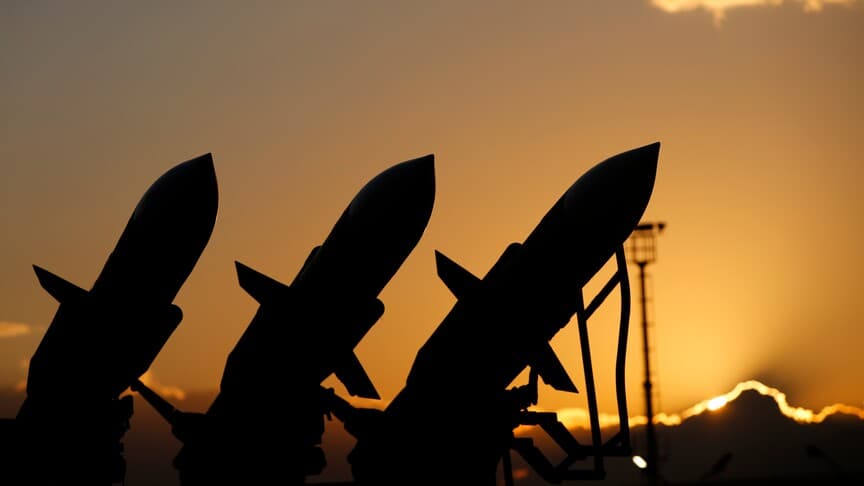
- He unveiled a new missile facility, which, according to him, was built during the war
- Negotiations on a final settlement with the US have stalled over disagreements regarding the Strait of Hormuz
Statement amid stalled negotiations
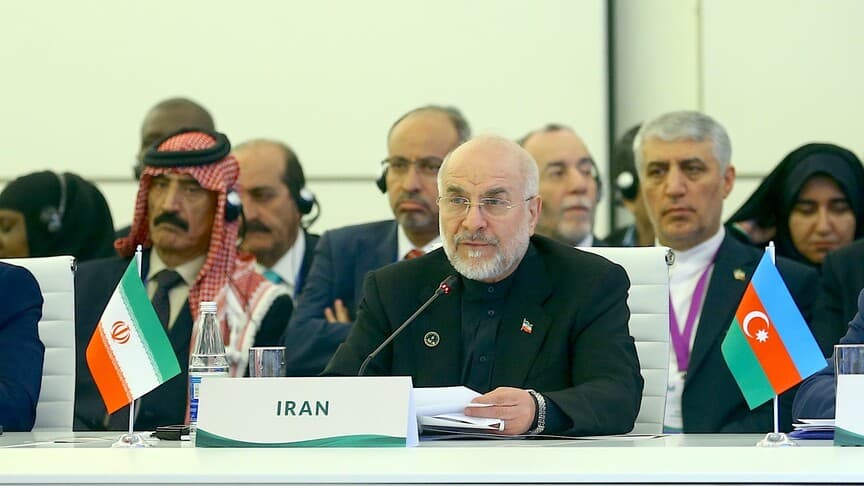
Iranian Parliament Speaker Mohammad Bagher Ghalibaf said on Sunday that the country will not remain in a state of 'neither war nor peace,' and warned that Tehran is ready both for negotiations and for war with the United States. 'If the Americans accept our seven reasonable conditions, the path to an agreement remains open,' he said at the opening of a virtual session of parliament. At the same time, he added: if the US 'makes a mistake again,' the geographic scale of the battlefield will be determined by 'the capabilities and resolve of the Iranian Armed Forces,' not by American wishes and intentions.
Seven conditions and a new missile facility
Ghalibaf himself did not disclose the content of the seven conditions. According to previous publications, they include the lifting of the US naval blockade, guarantees of safe passage for merchant ships and oil tankers through the Strait of Hormuz, the cancellation of unilateral sanctions, exemption of Iranian oil exports from restrictions, the unfreezing of Iranian assets, Tehran's right to keep nuclear materials inside the country, and an end to the war. The statement was made at the presentation of a new missile facility which, according to the speaker, was built during the war and under enemy fire. He called the facility not merely a technical or defensive achievement, but a symbol of a shift in the strategic balance in the region, and praised the IRGC missile forces, whose capabilities, in his assessment, posed a challenge to Israel.
Exchange of barbs with Washington and the domestic agenda
Ghalibaf criticized recent remarks by US Treasury Secretary Scott Bessent, calling them evidence of Washington's frustration with Iran's strength. Bessent earlier made disparaging remarks about the Iranian leadership, compared the IRGC to a 'dangerous cornered beast,' and also said he had moved from his Washington residence to a military base for security reasons. Ghalibaf advised American officials to reflect on 'strategic failures' in the Persian Gulf instead of hurling insults. Turning to domestic policy, he acknowledged that economic problems — inflation, unemployment, and price fluctuations — remain a priority alongside military matters. Negotiation context: the US and Israel war against Iran began on February 28, Tehran responded with strikes on Israel and American military facilities in the region, a ceasefire was reached in April, and in June the parties signed a memorandum of understanding. However, the final settlement has stalled due to disagreements over freedom of navigation and security in the Strait of Hormuz — a key route for global energy and trade.