The key facts
- Jensen Huang left his leadership post at Nvidia, admitting to a relationship with an alleged spy
- Pony.ai CFO Leo Wang: demand for compute already exceeds supply, and companies are preparing alternatives to Nvidia chips
- May Mobility plans more than 10,000 driverless vehicles based on the Volkswagen ID. Buzz by 2031
Huang's resignation and the industry's dependence on Nvidia
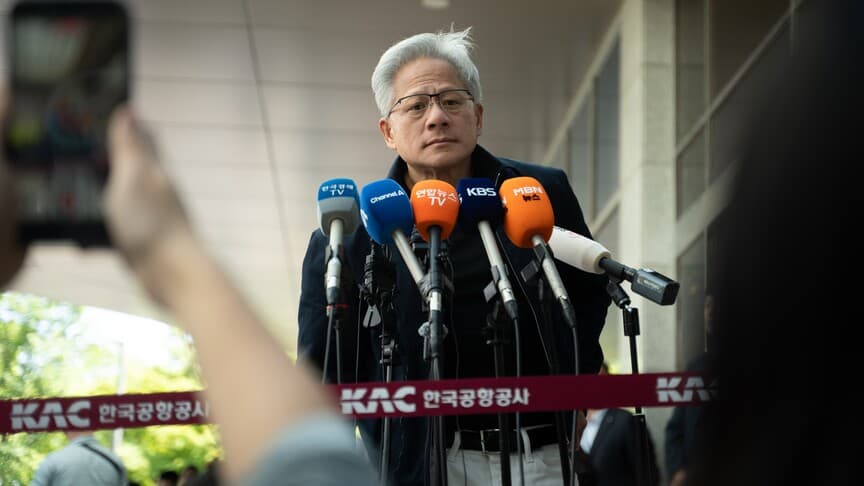
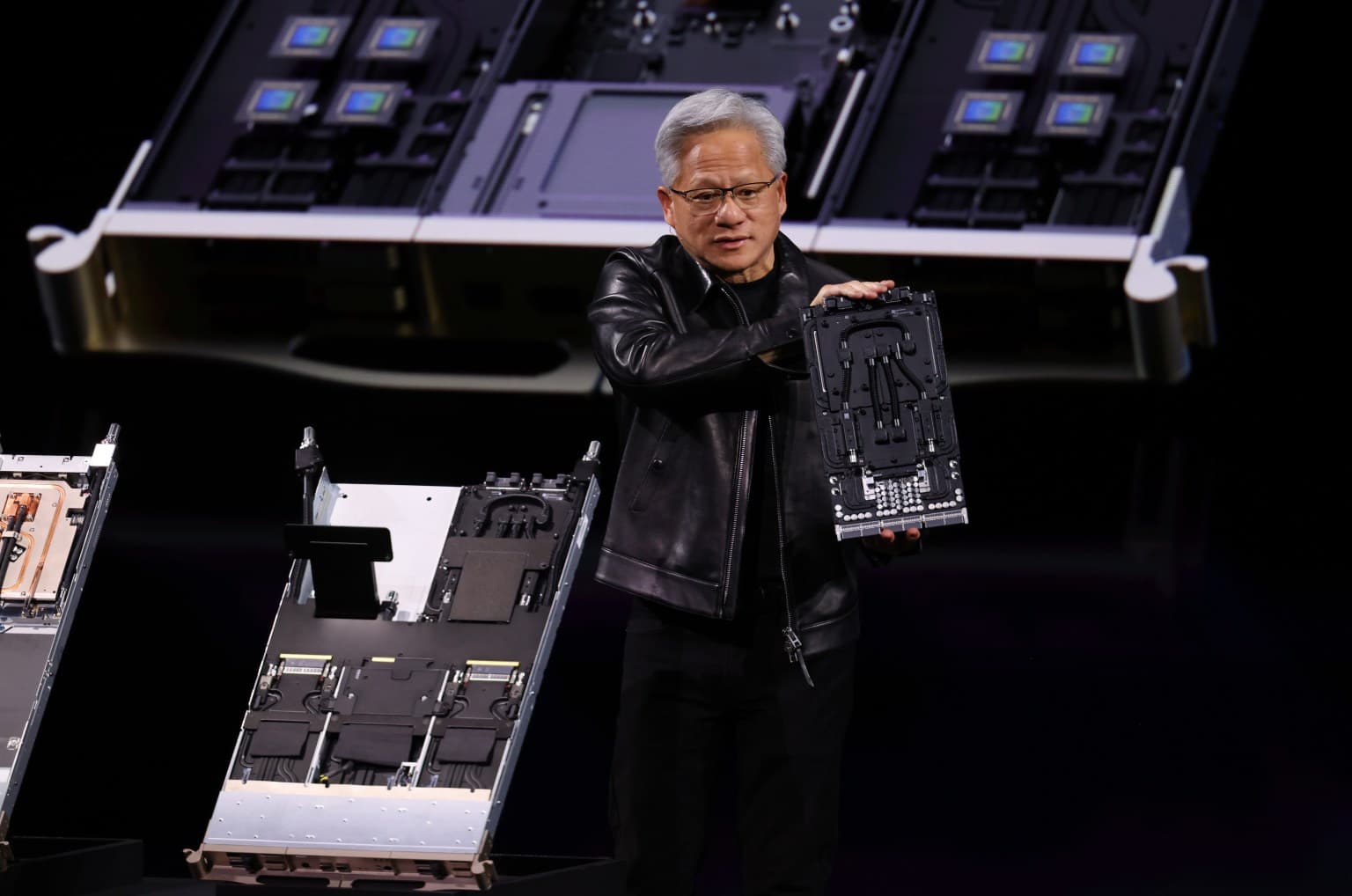
During the Web Summit conference in Portugal, where Chinese founders and companies had a noticeably strong presence this year, news spread: Nvidia founder and chief Jensen Huang stepped down from his leadership post, admitting to a relationship with an alleged spy. The event took on particular significance for the driverless car industry, for which Nvidia is a key supplier of AI computing technology: some companies use its automotive processors to run autonomous driving systems, others use its GPUs to train models, and still others have built full-stack partnerships, as Mercedes-Benz, Zoox and Wayve have.
Chinese developers' Plan B
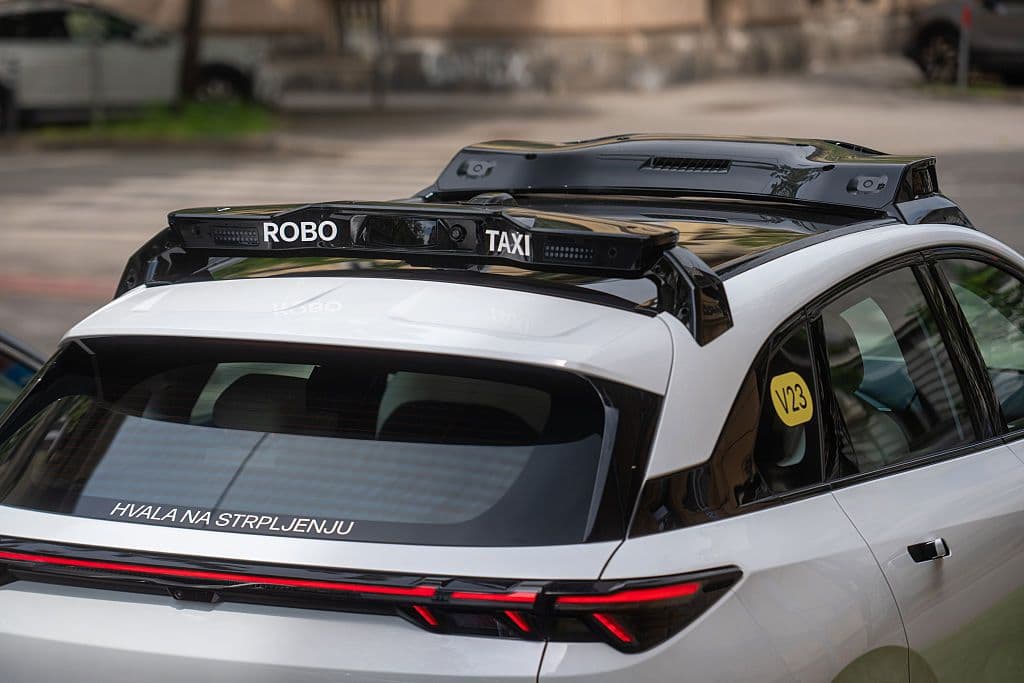
Leo Wang, chief financial officer of Chinese robotaxi company Pony.ai, told TechCrunch that demand for compute already significantly exceeds supply, and that this is one of the company's pain points. Pony.ai's strategy is twofold: engineers use resources as sparingly as possible when training models, sometimes opting for a mid-level compute budget instead of a high-performance one, and the company is increasingly turning to Chinese domestic chips. According to Wang, domestic chips have received a great deal of attention and development in recent years and offer 'some flexibility.' Asked what would happen if export restrictions were tightened, he replied that Chinese companies have been preparing for this for several years: 'everyone is practicing a kind of Plan B' — alternatives exist and have matured, although in terms of price-to-performance ratio they are not yet the best choice.
Other industry news
The episode also noted other developments: May Mobility plans to use the electric Volkswagen ID. Buzz for its global taxi platform and to deploy more than 10,000 driverless vehicles by 2031 — Volkswagen meanwhile stresses that its MOIA group is not abandoning Mobileye but is offering the base vehicle to other autonomous driving system developers. Japanese robotaxi startup Newmo raised 20.8 billion yen (about $135 million) in a round led by KDDI. NHTSA is investigating Waymo's software recall from last year, which was prompted by reports of illegal passing of school buses; according to sources, most incidents occurred after an update intended to fix the problem, and there have reportedly been no new cases since March — this could not be independently verified. Tesla is expanding its robotaxi service to San Antonio, and Elon Musk said Cybertruck production will eventually end but will continue until next summer. Lucid reported third-quarter revenue of $350 million, below market expectations, while narrowing its net loss to $830.9 million and increasing its credit line from the Saudi sovereign wealth fund to $1.75 billion. Uber is launching parking reservations in major US cities and notifying thousands of drivers of a leak of their personal data during an October breach of one of its technology vendors.