The key facts
- Scott McDonald expects the number of British universities in Uzbekistan to increase over the next five years — currently there are about 12
- British Council has been operating in the country since 1996; more than 1.7 million people have used its programmes
- The 'WHO ARE WE?' exhibition at the Tashkent House of Photography is open from 10 November to 10 December 2026
Growth in the number of British universities
British Council CEO Scott McDonald told Daryo in an interview that around 12 British universities are currently present in Uzbekistan — through branch campuses, franchise programmes or joint educational projects awarding dual degrees. In his forecast, their number will grow over the next five years, although this will depend on the universities' ability to develop attractive programmes and maintain academic quality. He also supported the idea of opening representative offices of Uzbek universities in the United Kingdom and named entrepreneurship as one of the areas capable of attracting British students.
30 years of work and the scale of programmes
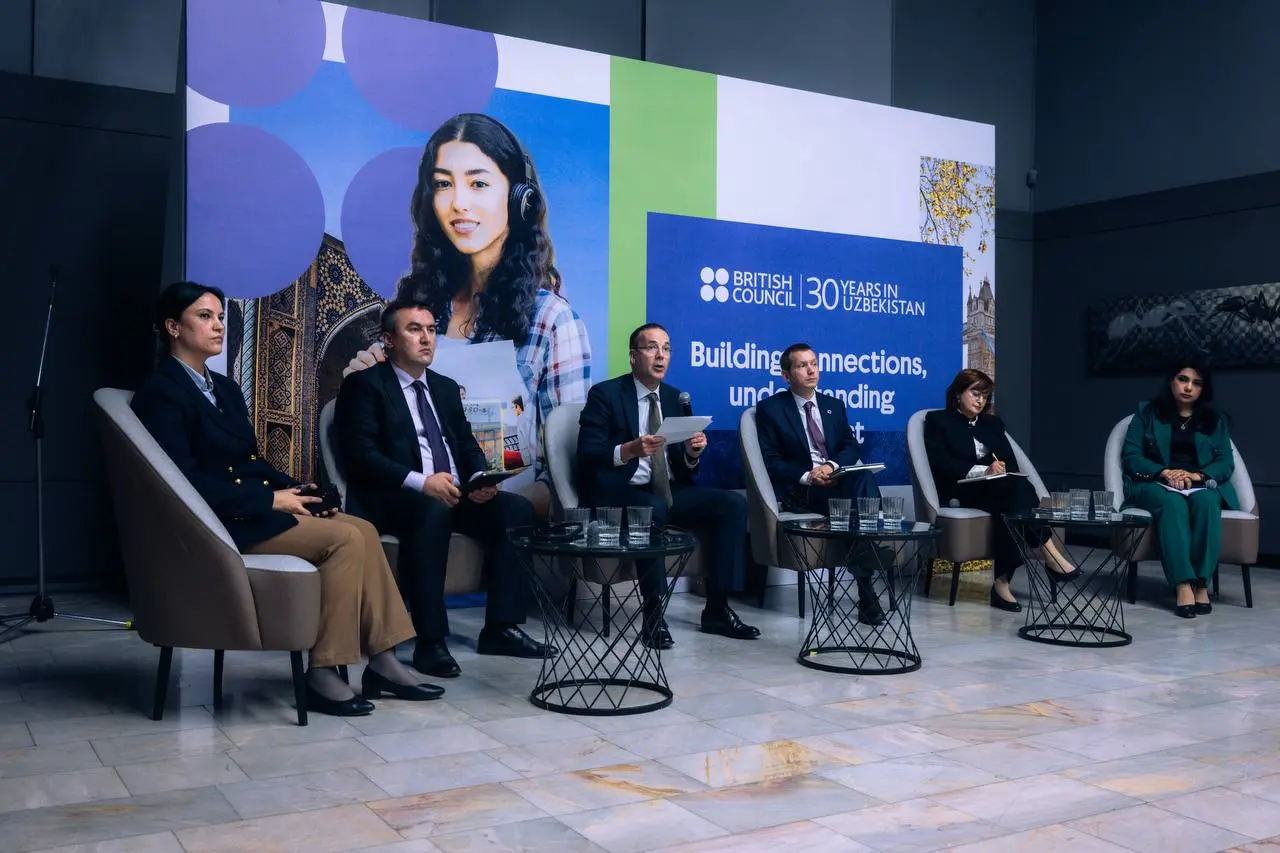
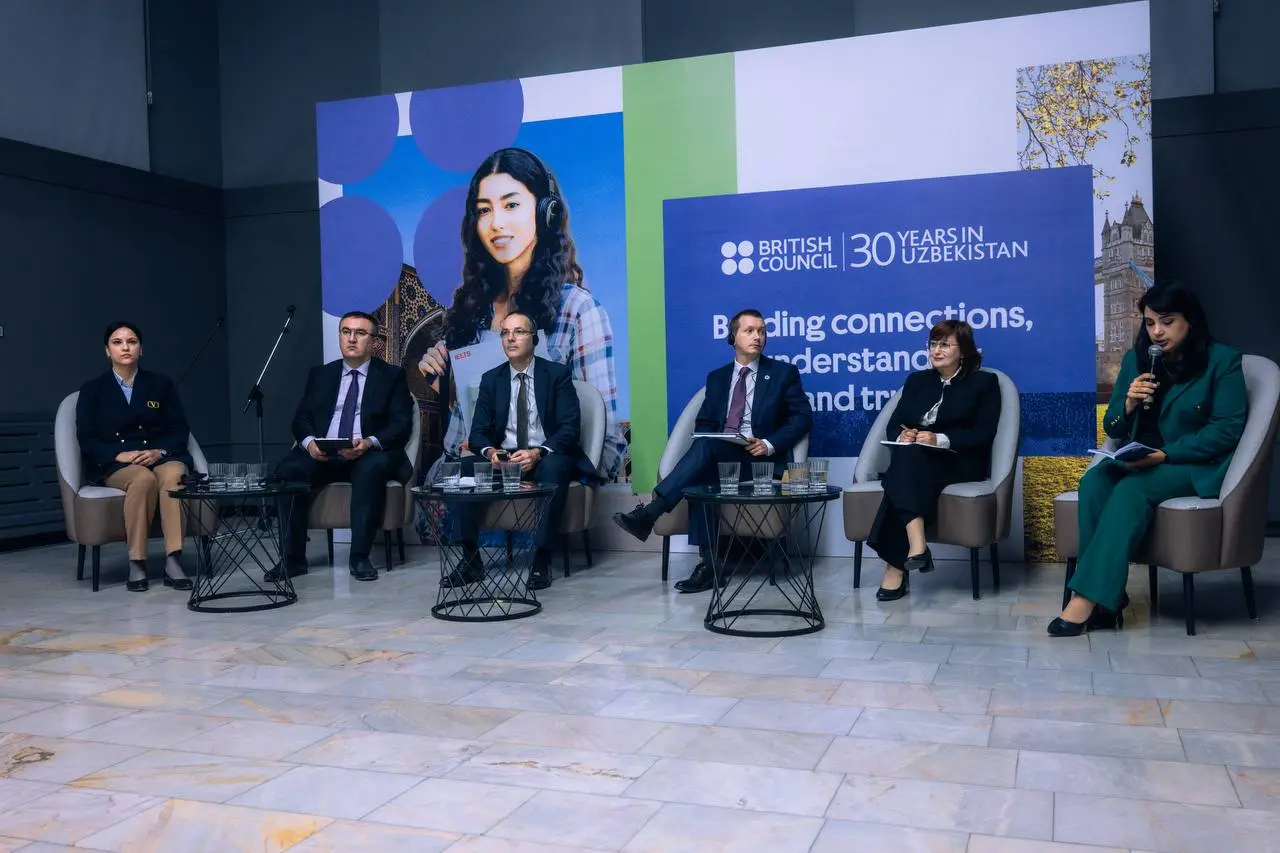
The anniversary became an occasion to take stock: British Council began operating in Uzbekistan in 1996, when the then Prince of Wales, now King Charles III, visited Tashkent to open the British Embassy and the organisation's office. Since 1996, more than 1.7 million people have directly used its programmes, while its initiatives have reached over 42 million people in the two countries. Among the major projects are the AELLCA programme, in which more than 49,000 leaders, trainers and teachers from across Central Asia took part, and the Economic Value of English (EVE) initiative launched in 2026. The Women in STEM scholarship programme, which gives women from Uzbekistan the opportunity to complete a one-year master's degree in the United Kingdom with a scholarship of at least £40,000, is in its fourth year; a new round is being launched for the anniversary together with EYU.
Exhibition and new initiatives
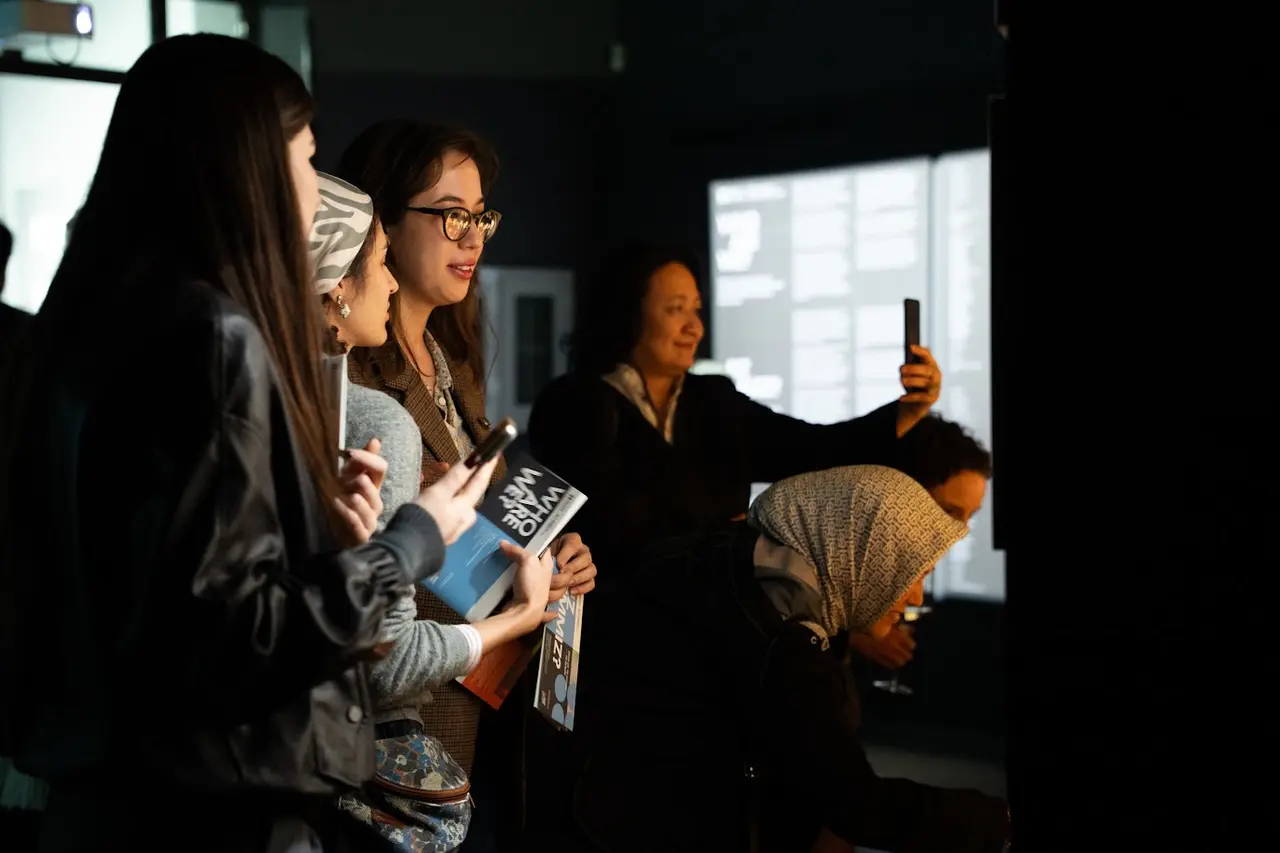
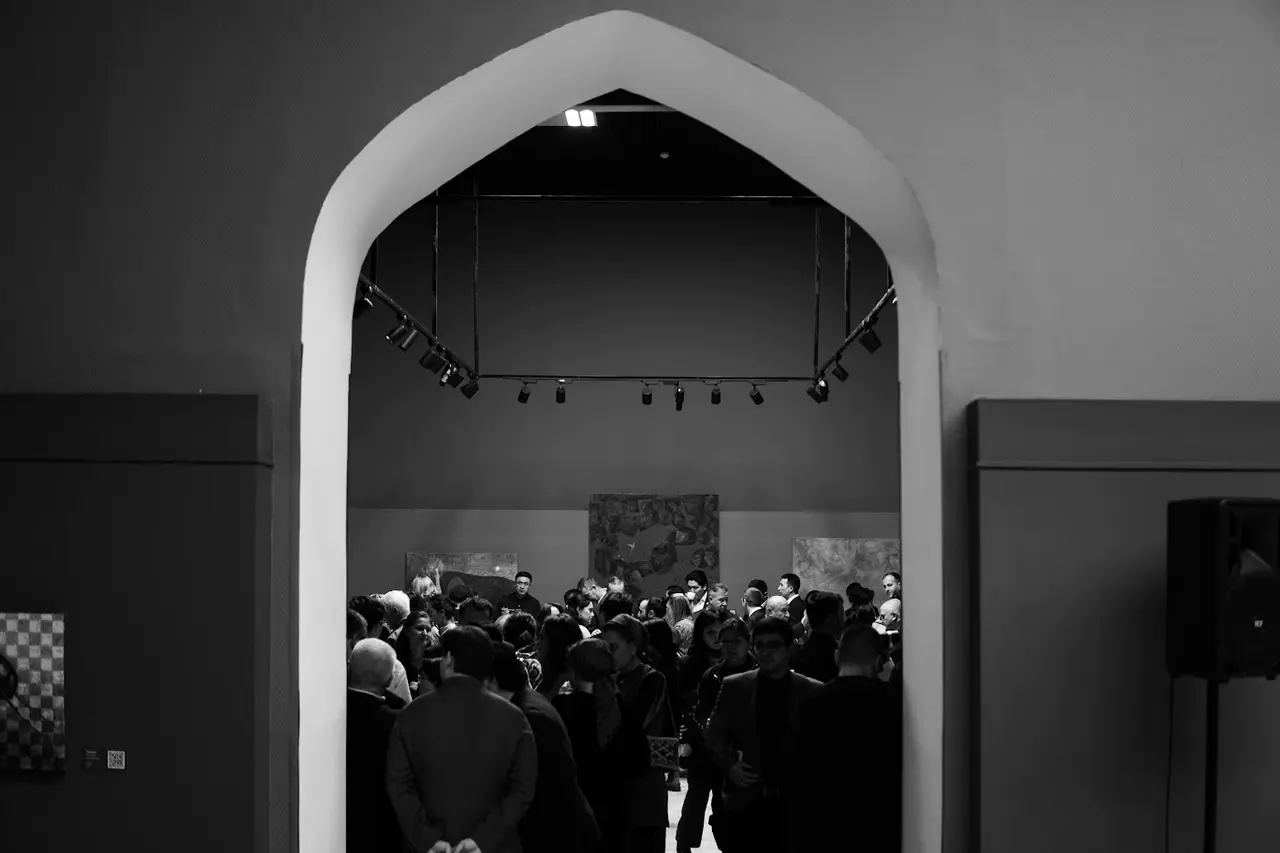
At the Tashkent House of Photography, the 'WHO ARE WE?' exhibition opened on 10 November (curator — Dona Kulmatova, co-organiser — Bonum Factum) and runs until 10 December 2026. It brings together four video installations by British artists from the British Council collection — works by Elizabeth Price, Erika Tan, Rachel Lowe and Rosalind Nashashibi — and a project created especially for Tashkent, 'The Archive of the Present'. For the anniversary, new scholarships, awards and the '30 Voices' project about the stories of people whose lives have been changed by education and cultural exchange have also been announced.
Artificial intelligence and exams
British Council Country Director in Uzbekistan Michael Houlgate said that the organisation is testing training modules to help teachers integrate AI into their work. At the same time, according to him, British Council does not use artificial intelligence to mark exam papers, including IELTS: 'Exams, especially such important ones as IELTS, require human involvement in marking papers.' AI-based tools are already being used for exam preparation — candidates can practise speaking and writing and receive feedback.