The key facts
- The winner of the first 'Eurovision — Asia' is the Philippines: Carmelle, 19 years old, song Sobra-Sobra, 211 points (93 from juries, 118 from viewers)
- Second place — Thailand (170), third — Vietnam (164); 11 countries participated in total
- China, Japan and India did not take part in the contest; the project's future is unclear
Philippines Win the First Asian Contest
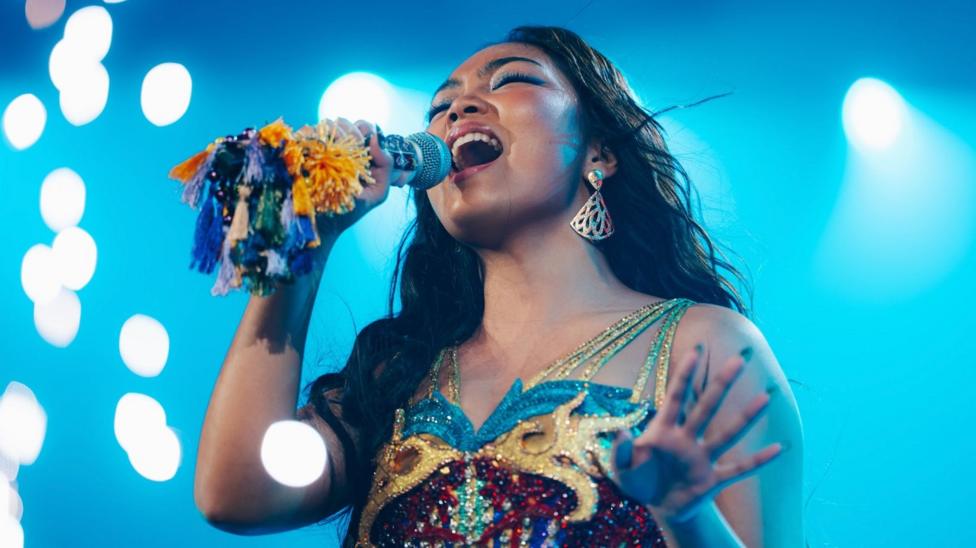
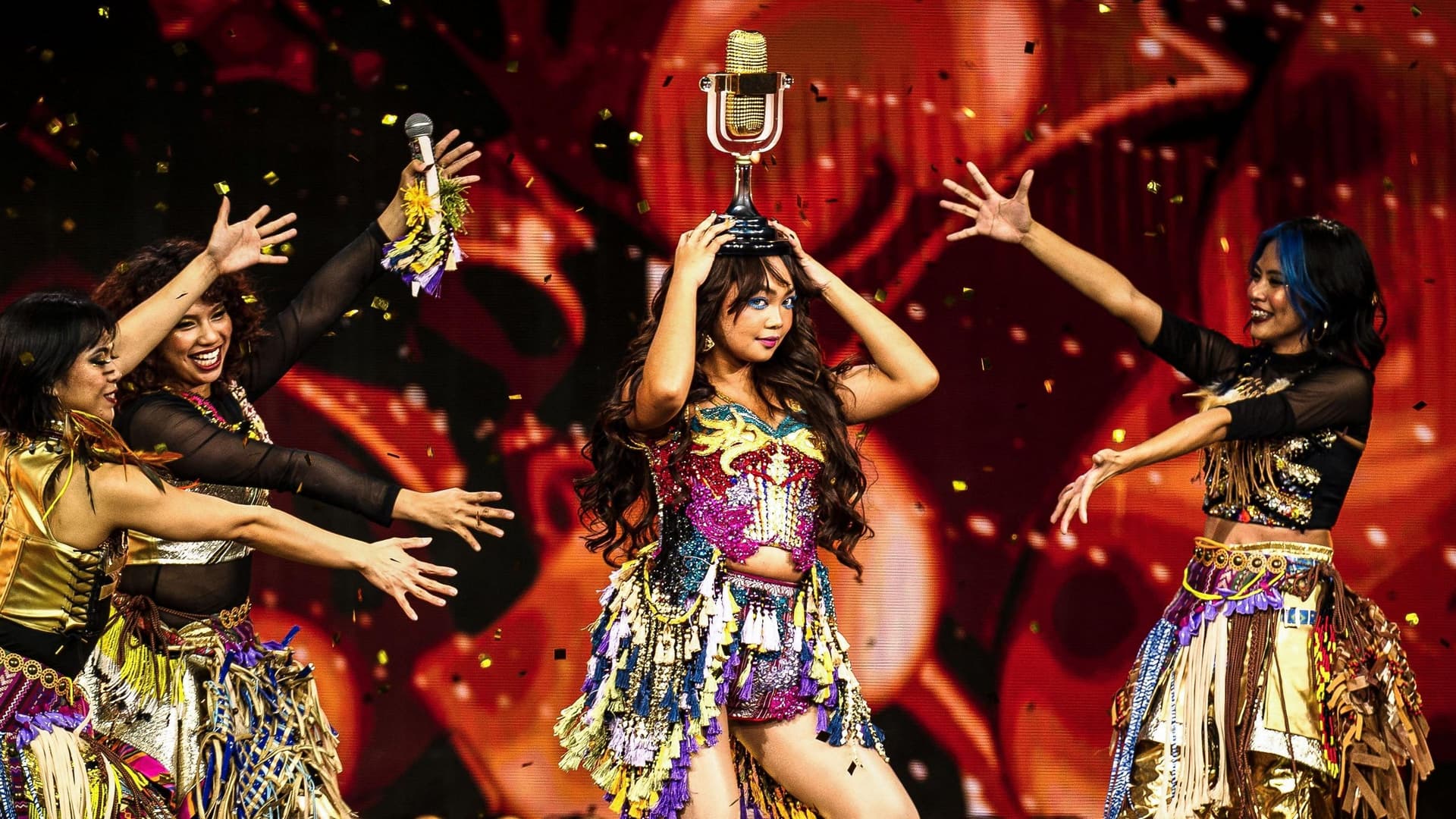
Bangkok hosted the first-ever 'Eurovision — Asia' song contest, in which 11 countries competed for victory. The winner was 19-year-old Filipino singer Carmelle (Carmelle Collado) with the song Sobra-Sobra ('Too Much') — an anthem about women's empowerment with lyrics in English and Tagalog and a rap verse. She scored 211 points: 93 from national juries and 118 from viewers. Second place went to the Thai duo MANG x DAOU with the song Aroma (170 points), and third to Vietnamese singer Toc Tien with 164 points.
How the Contest Went
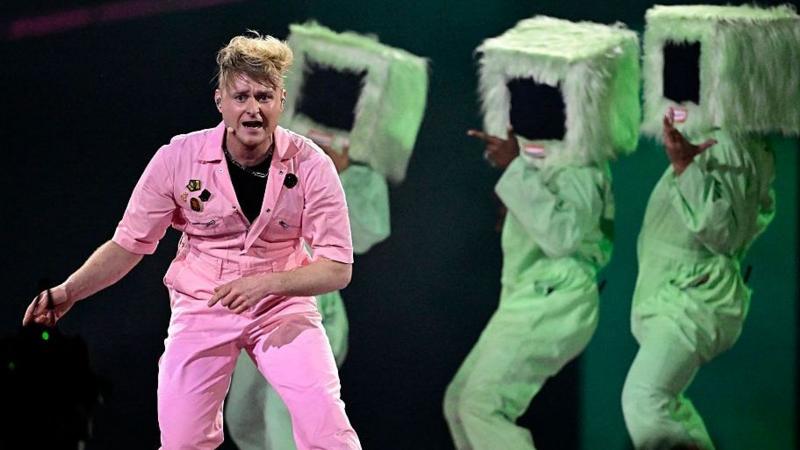
The voting system mirrored the European one: half of the result was determined by viewers, half by 11 national juries, plus additional points from the 'rest of the world' vote. Full table: Philippines — 211, Thailand — 170, Vietnam — 164, Malaysia — 152, Laos — 139, Bhutan — 126, Republic of Korea — 113, Mongolia — 94, Nepal — 69, Cambodia — 61, Bangladesh — 35. Carmelle became the youngest participant in the contest. Other performances were also memorable: the Bangladeshi beatboxers Beatmosphere performed without backing tracks, producing drums and bass with their voices, while the Lao singer Tinla performed the song Bae in a traditional mountain outfit. Her composition, incidentally, was played for viewers twice: due to an apparent technical glitch, her clip was shown again, and it became the last song before the voting. In the interval act, the winner of Eurovision 2026, Dara from Bulgaria, performed the song Bangaranga, and the Thai star Jeff Satur performed Black Tie. The scenography referenced Bangkok: participants arrived on stage in tuk-tuks.
The Project's Future in Question
The idea of an Asian version of Eurovision had been discussed for decades but had never been realized. According to BBC correspondents who attended the show, the atmosphere in the One Bangkok Arena was festive, but the hall was not completely full, and a significant part of the audience were longtime fans of the European contest who had come from other countries; tickets were still available just hours before the start. It is also unclear how willing regional broadcasters are to support the project and expand it beyond the 11 countries: China, Japan and India did not participate in the first contest. The experience of similar projects is cautious: the American spin-off American Song Contest in 2022, featuring all 50 states, was limited to a single season. The European original was watched this year, according to DW, by 131 million viewers. Fans surveyed after the show rated the level of the performances highly and suggested naming the next edition 'Asia Vision'.
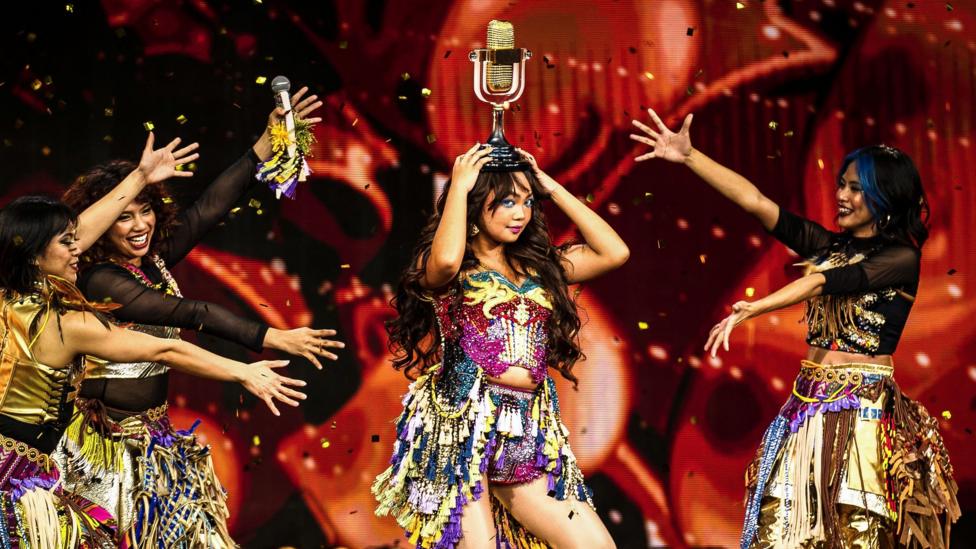 Image source, Getty Images
Carmelle was the youngest contestant in the comeptions at 19 years old
 Image source, Getty Images
Thinla wore a traditional Lao hilltribe outfit during her performance
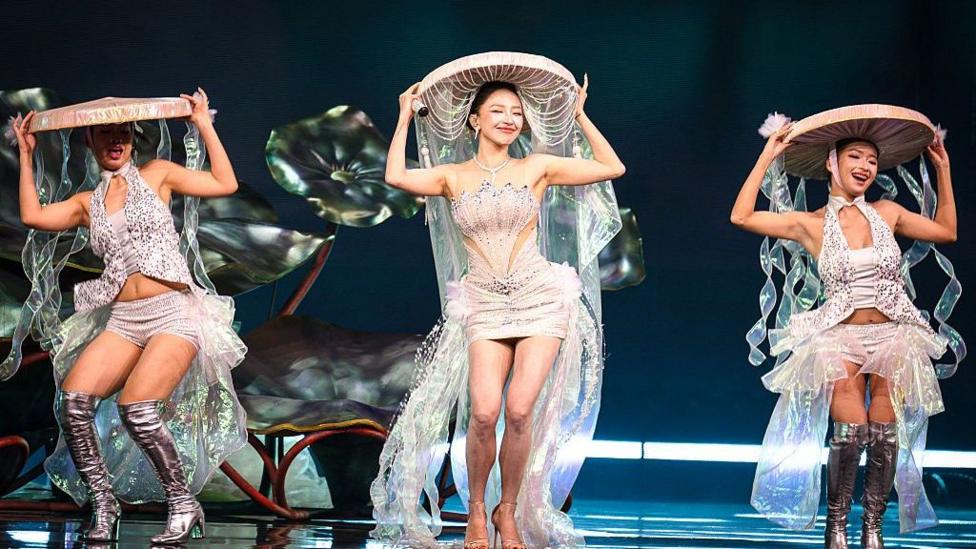 Image source, Getty Images
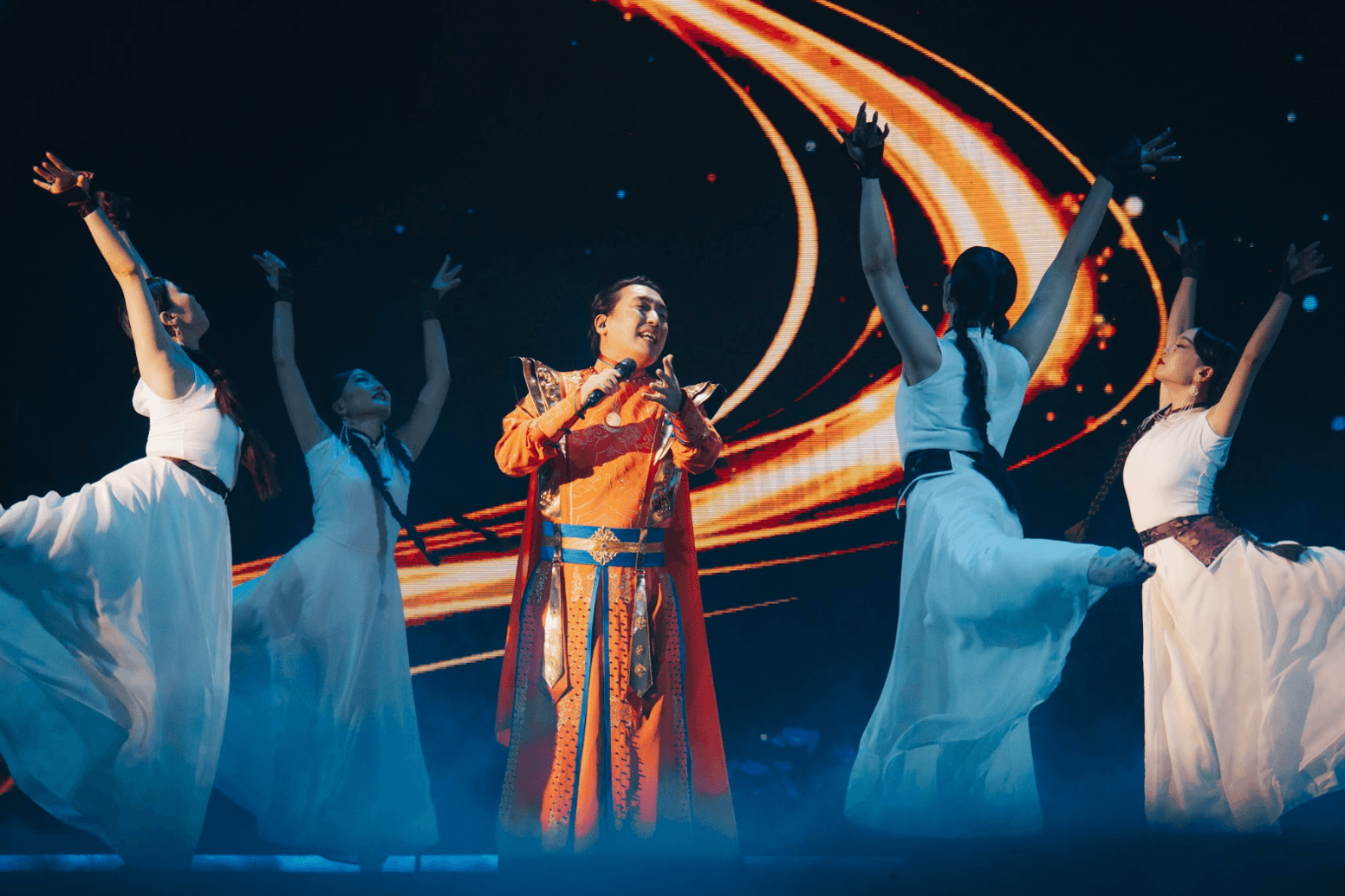
Vietnam's Toc Tien came third with 164 points
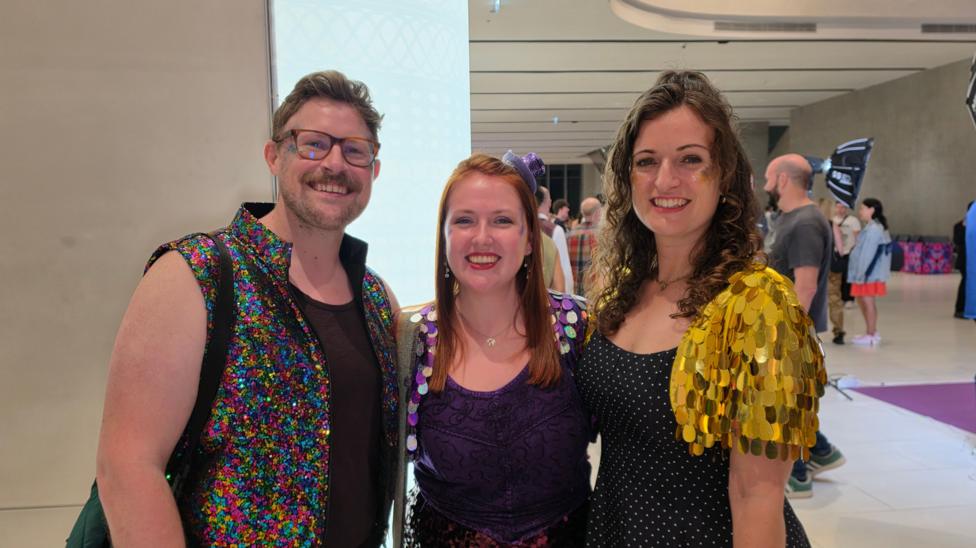 Image source, BBC/Jack Tran
Eurvosion superfans Michael, Scarlett and Zelie travelled from the UK to Thailand to watch Eurovision Asia's first outing