The key facts
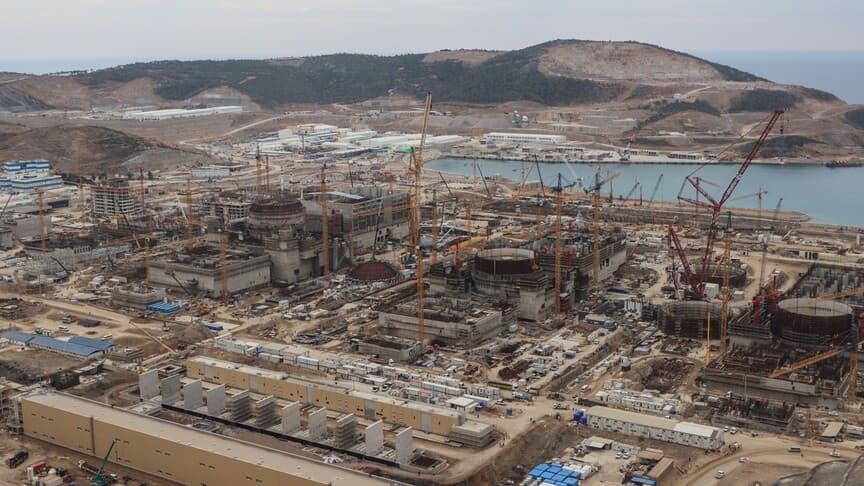
- The physical startup of the first Akkuyu reactor is planned for the coming weeks — according to Turkey's energy minister
- By 2040 Turkey expects 10 GW of nuclear capacity, and at least 20 GW by 2050
- Talks are underway on a second and third NPP — in Sinop and Thrace
Startup of the first reactor — in the coming weeks
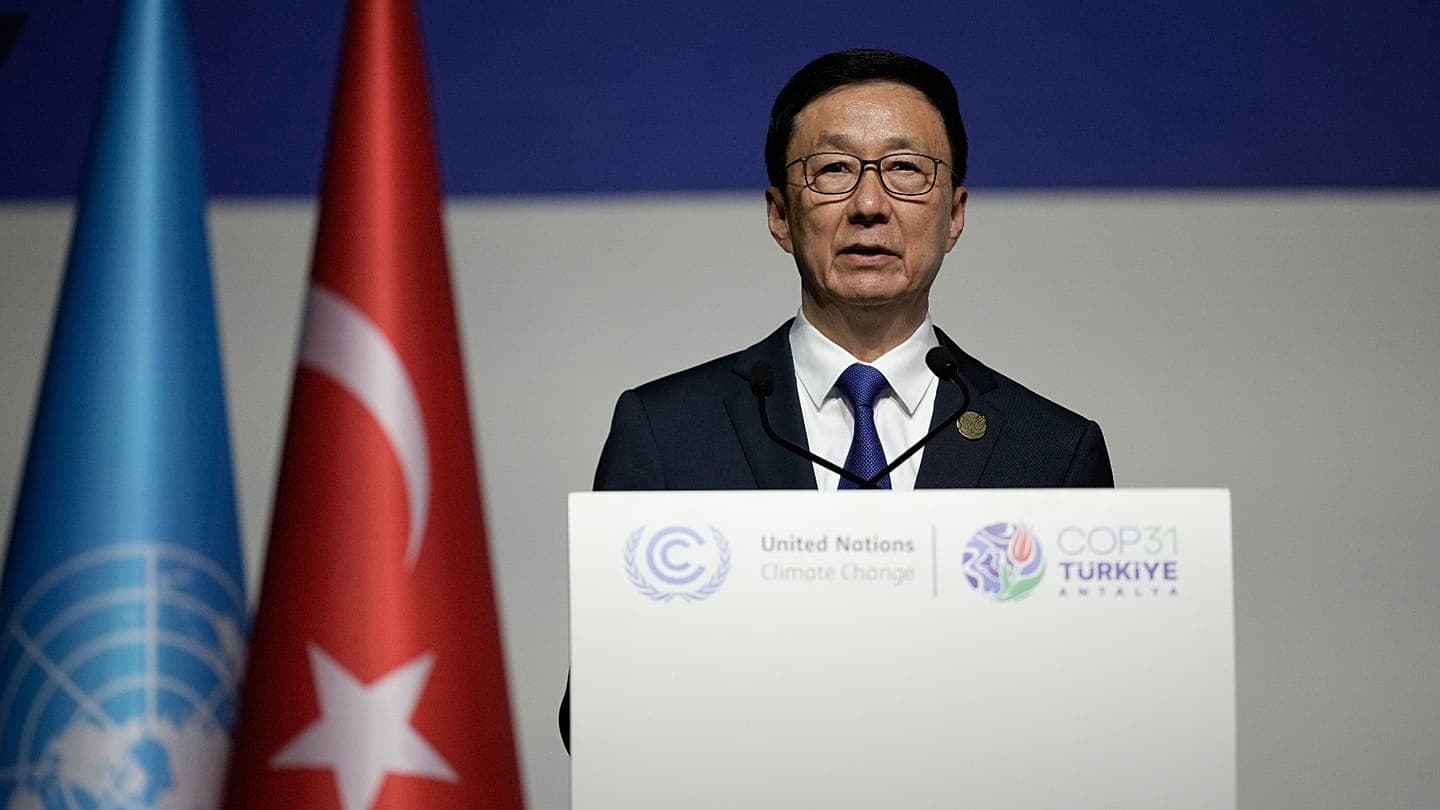
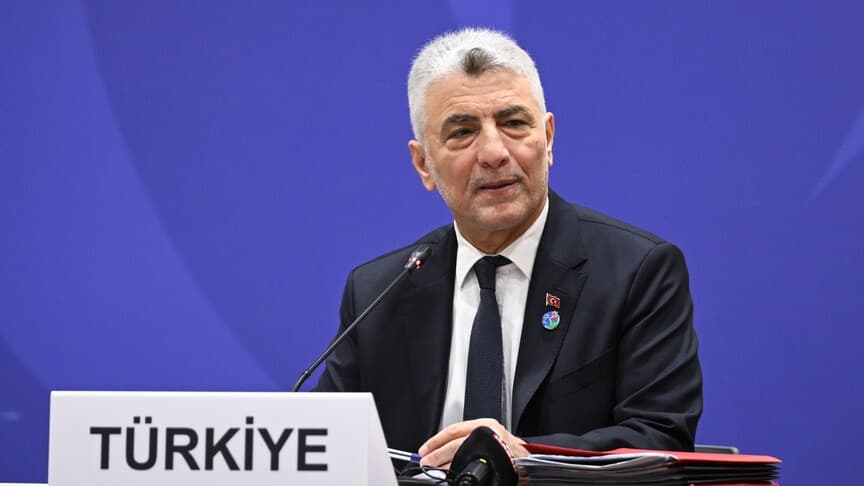
Turkey plans to begin the physical startup of the first power unit of the Akkuyu NPP in the coming weeks, said the country's Minister of Energy and Natural Resources Alparslan Bayraktar. He made this statement at events held by the state corporation Rosatom as part of the COP31 climate summit in Antalya. The minister emphasized the role of nuclear energy in achieving climate goals and ensuring a reliable power supply.
Nuclear capacity targets
According to Bayraktar, Turkey aims to reach 10 GW of installed nuclear generation capacity by 2040 and at least 20 GW by 2050. To achieve this, the country needs at least 15 GW from large conventional reactors, while at least 5 GW from small modular reactors is also being considered. Combined, this could cover about 10–12% of Turkey's electricity needs by 2050. The minister named the training of qualified personnel, significant investment, and sustained political will as key conditions for implementing the projects.
Project context and further plans
Turkey's nuclear program is developing on the basis of intergovernmental agreements with Russia; cooperation with Rosatom has been ongoing since 2010. Bayraktar linked the progress of Akkuyu to the personal role of the presidents of Turkey and Russia, calling the project the embodiment of the country's roughly 70-year-old ambitions in the nuclear sphere. More than 300 graduates of Russian universities and colleges work at the plant. In addition, Turkey is negotiating with various technology suppliers on a second and third NPP — projects are planned in Sinop and Thrace. Rosatom Director General Alexey Likhachev called Akkuyu one of the most notable projects in the recent history of nuclear energy and highlighted key topics for future discussions: fourth-generation reactors, a closed nuclear fuel cycle, energy storage, and 'smart' power systems using artificial intelligence.