The key facts
- The TFFF needs $10 billion in start-up capital by the end of 2026; $7.9 billion has been raised
- Norway ($3 billion) will only fulfill its commitment if the total amount is reached on time
- Countries will receive $4 per year for every hectare of forest preserved, with at least 20% going to Indigenous peoples
A $2 billion shortfall puts the fund's launch in question
The Tropical Forest Forever Facility (TFFF), presented last year at the COP30 climate conference in Belém, Brazil, is supposed to receive $10 billion in start-up capital by the end of 2026, but confirmed commitments from countries, NGOs and foundations amount to only $7.9 billion, Deutsche Welle reports. Eight countries pledged contributions, including Brazil, Indonesia, France, the United Kingdom, the Netherlands and Luxembourg.
How the fund's mechanism works
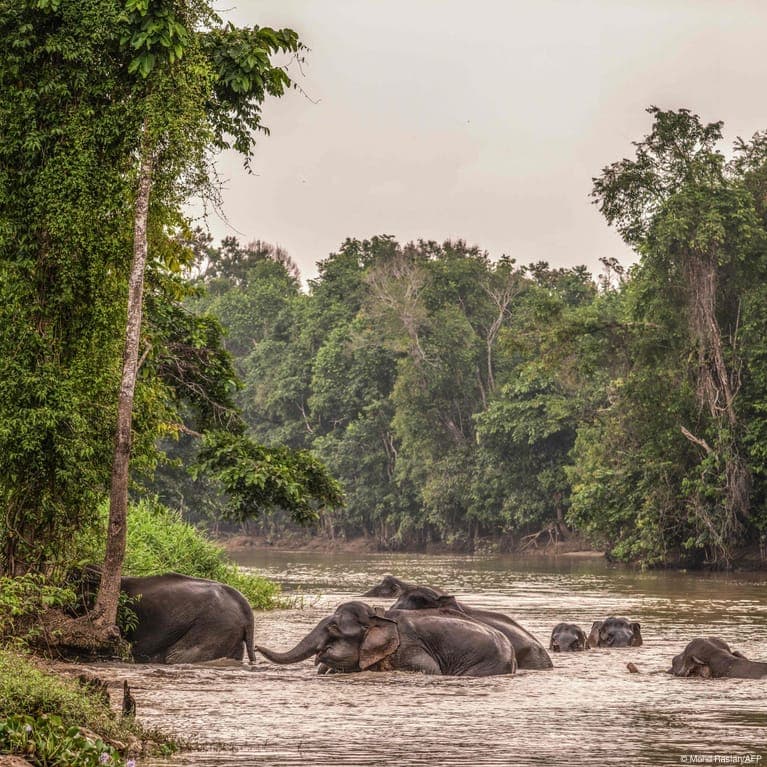
The idea behind the TFFF is to make preserving forests economically more attractive than cutting them down. Countries with tropical forests will receive $4 per year for every hectare preserved; according to calculations by the TFFF Watch platform, the DR Congo would have received about $333 million for its 2024 forest stock. At least 20% of the funds must go to Indigenous peoples and local communities. Payments are provided only for intact ecosystems, not for forest plantations; the state of the forests is monitored via satellite imagery, and in the event of logging or damage the amounts are reduced, while misuse of funds can lead to payments being frozen.
Financing and guarantees for investors
By the end of 2026, $10 billion in state capital is to flow into the fund, mostly in the form of low-interest loans; the TFFF then plans to place bonds with private investors worth roughly $40 billion. The long-term plan is $25 billion from governments and $100 billion from private donors, which the fund will invest in international markets, preferring government bonds of developing countries and avoiding projects connected with oil, gas and coal. Felix Finkbeiner, founder of the organization Plant-for-the-Planet, explained to Deutsche Welle that private investors will receive about 5% annually, and any losses the fund incurs on the markets are offset by government funds.
Conditions set by key donors
The largest declared donor, Norway with $3 billion, is ready to fulfill its commitment only if the agreed total amount is raised by the end of the year. According to Finkbeiner, the deadline is 'not set in stone,' but otherwise the Norwegian government will face serious difficulties getting approval in parliament. Germany's contribution — about €1 billion from 2027, paid out over 10 years — also has to be approved by parliament. Canada, China, South Korea and the UAE are being considered as possible participants. Philanthropic organizations have pledged $88 million, of which $73 million was announced this week at the COP31 climate summit in Antalya. Finkbeiner expressed optimism that the missing funds will be found at the COP and during December.
Context: deforestation continues, but there is progress in the Amazon
More than 140 countries pledged at the 2021 climate conference in Glasgow to halt global deforestation by the end of the decade; however, according to Deutsche Welle, more than 8 million hectares of forest were lost in 2024, and almost 490 million hectares since 1990. At the same time, deforestation in the Brazilian Amazon fell by 41% between August 2025 and 2026 to the lowest level since records began. Environmental organizations support the TFFF concept, noting that it gives Global South countries more sovereignty than traditional aid: contributions remain in the fund for 40 years, which protects it from donors withdrawing when governments change.