The key facts
- TRISO fuel with a multilayer coating retains fission products even at 1600 °C
- Thirteen reactor experiments were completed, with burnup reaching about 13.0% FIMA
- A pilot line with a capacity of 250,000 fuel compacts per year has been set up at the NII NPO Luch site
Testing of fuel for high-temperature reactors
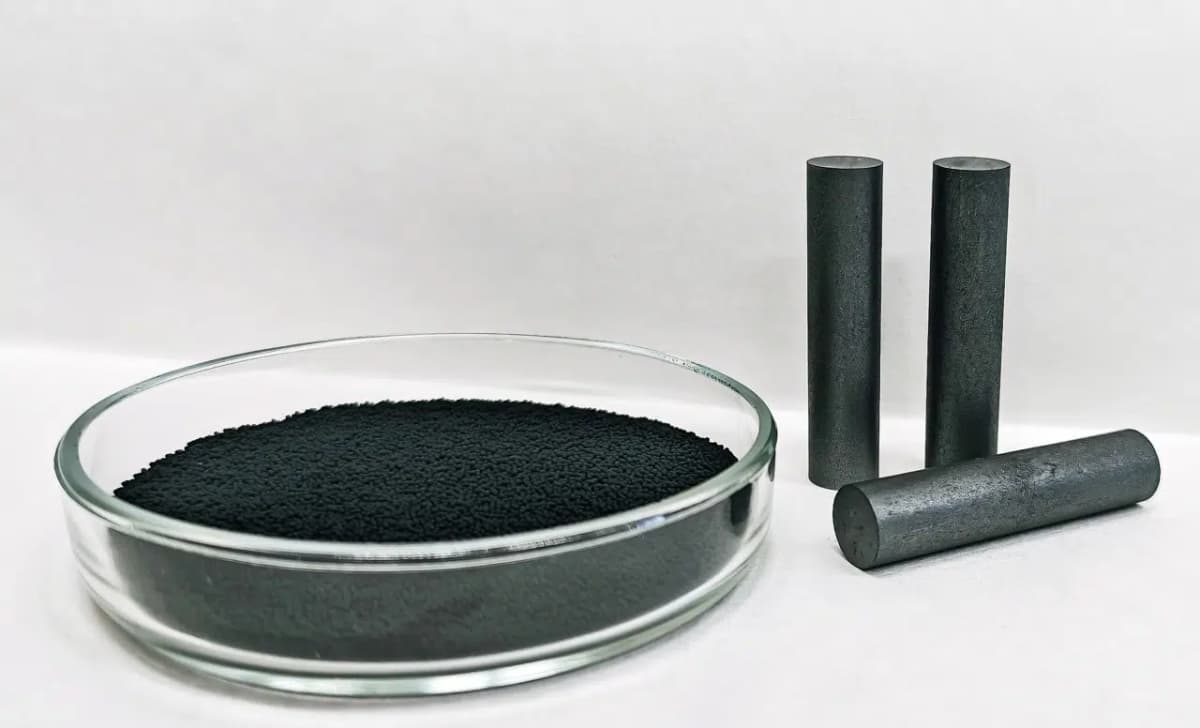
Microsphere nuclear fuel has been developed in Russia for gas-cooled high-temperature gas reactors (HTGR). Employees of JSC NII NPO Luch, part of the scientific division of the state corporation Rosatom, reported on its testing, including experiments at a temperature of 1600 °C, in a presentation at the VII international scientific and technical conference 'Innovative Projects and Technologies of Nuclear Energy'. The conference was held in Moscow on 27–29 October; it was organised by Rosatom, the IAEA and the National Nuclear Society with the participation of JSC NIKIET, and was attended by more than 320 specialists from Russia and foreign countries.
How TRISO fuel is structured and what the experiments showed
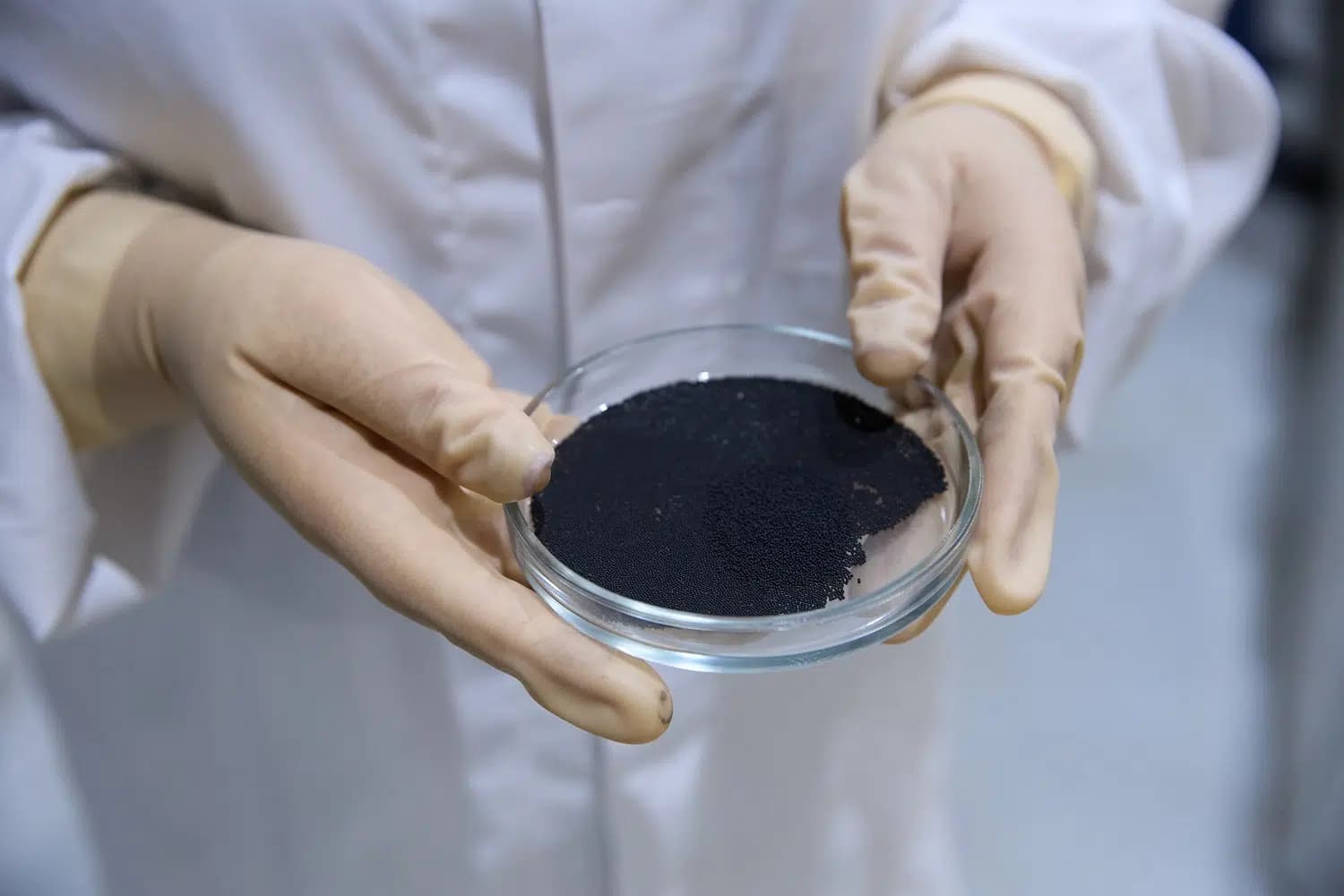
TRISO-type fuel has a three-layer isotropic coating and is considered key to the operation of HTGRs. Each microsphere consists of a fuel kernel with multilayer protective coatings of pyrolytic carbon (PyC) and silicon carbide (SiC). According to Andrei Mokrushin, Deputy Director General for Science at JSC NII NPO Luch, this technology makes it possible to retain nuclear fission products inside the microspheres even in accident situations at temperatures up to 1600 °C.
Test results and the next stage
A series of tests confirmed the viability of the Russian TRISO fuel concept. Specialists carried out 13 reactor experiments, testing the fuel's behaviour both under typical operating conditions — at 1200 °C — and at 1600 °C, a temperature characteristic of accident modes. 'During the reactor tests, the fuel burnup reached approximately 13.0% FIMA,' Andrei Mokrushin noted.
Moving to a pilot-scale production technology
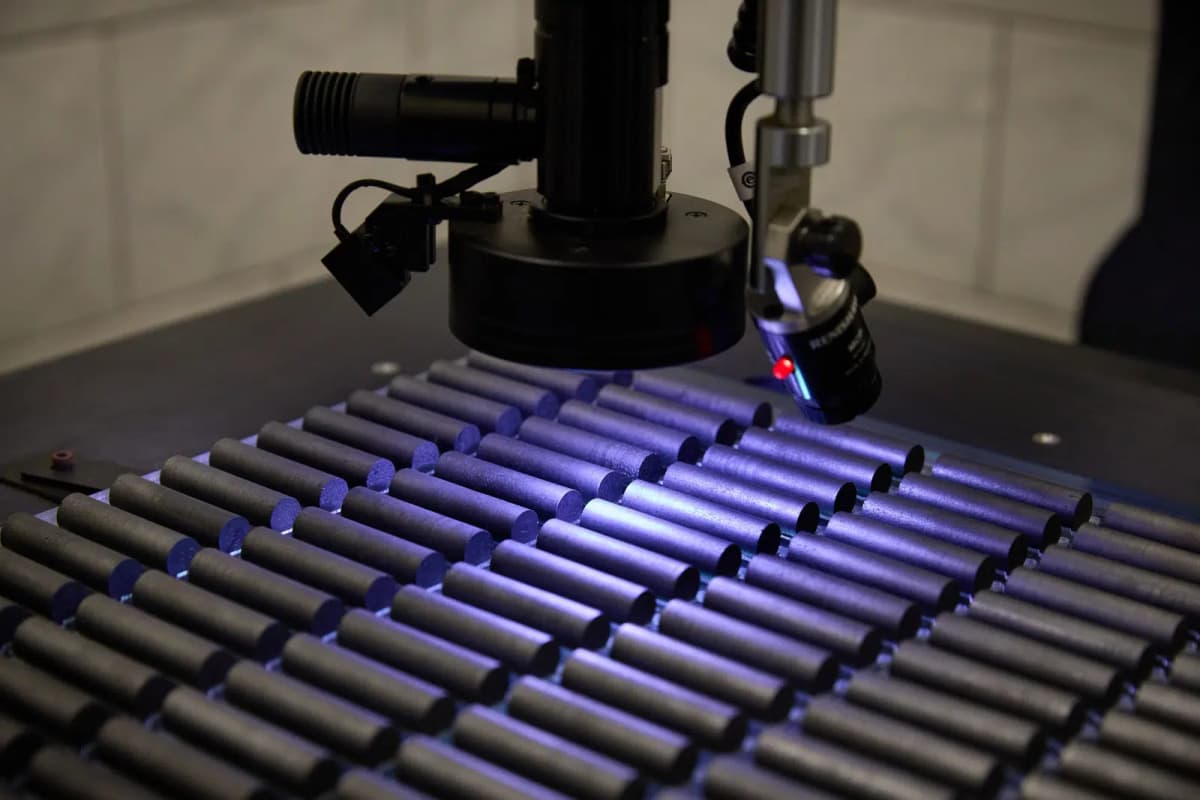
Specialists have now moved from working with experimental samples to creating a pilot-scale production technology. An experimental line for manufacturing HTGR fuel has been set up at the JSC NII NPO Luch site; its production capacity is 250,000 fuel compacts per year. Other Rosatom organisations are also taking part in the project, as well as Russian equipment manufacturers and suppliers.