The key facts
- Education is allocated 114.3 trillion soums (+14 trillion over last year), medicine — 61.4 trillion (+12 trillion)
- The 2027 GDP forecast is $232 billion, inflation — no higher than 6%, budget revenues — 416 trillion, expenditures — 464 trillion soums
- The main tax rates are planned to remain unchanged in 2027
Budget meeting: social focus maintained
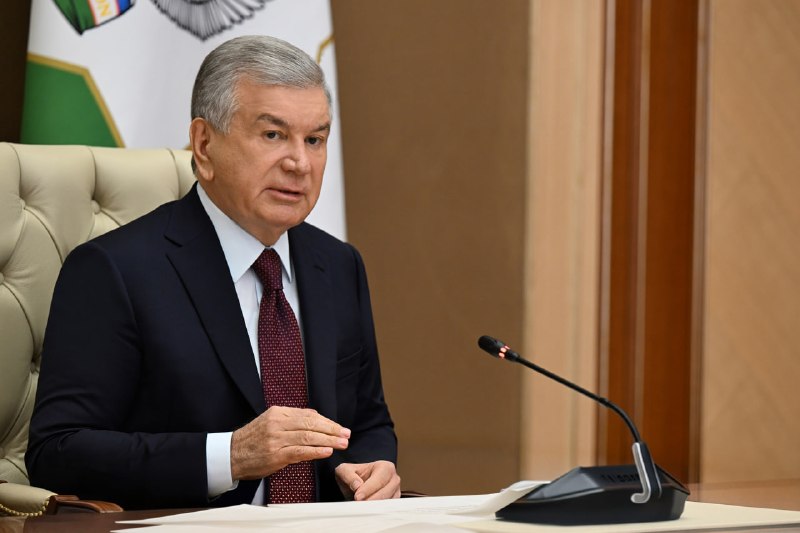
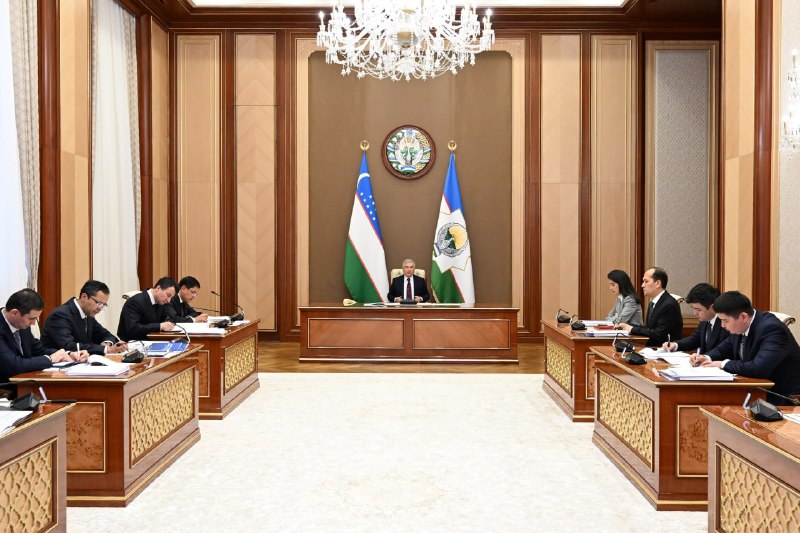
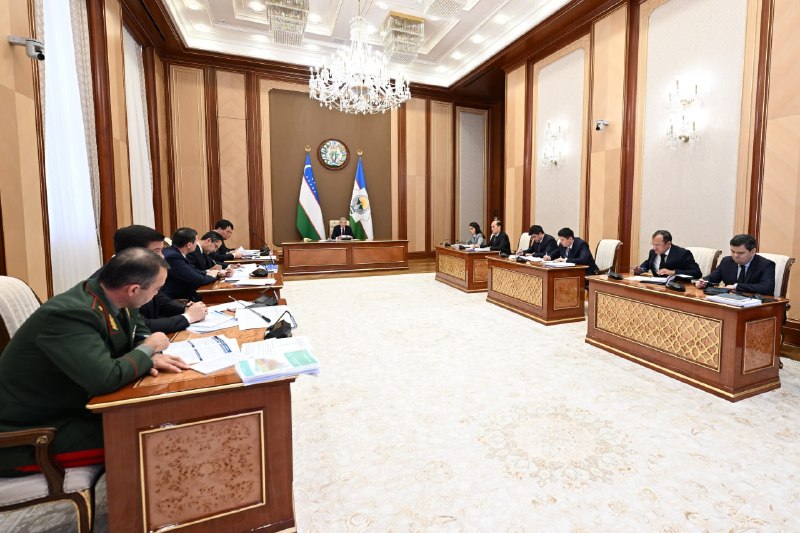
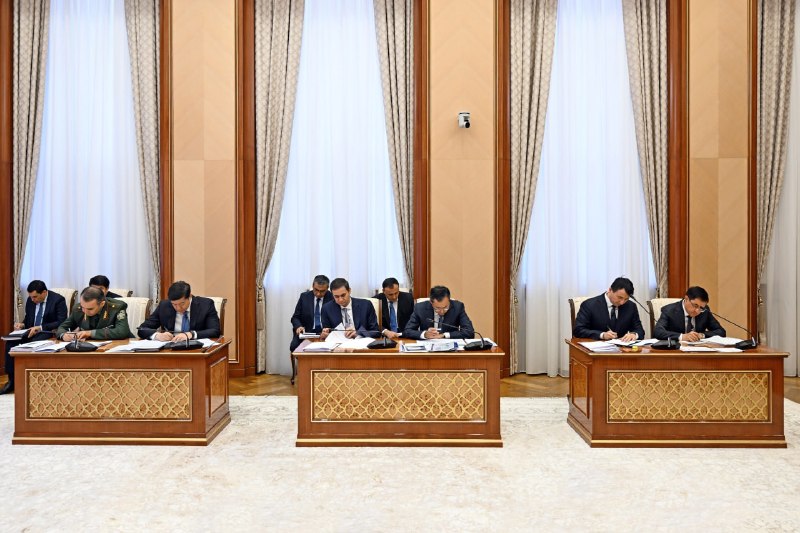
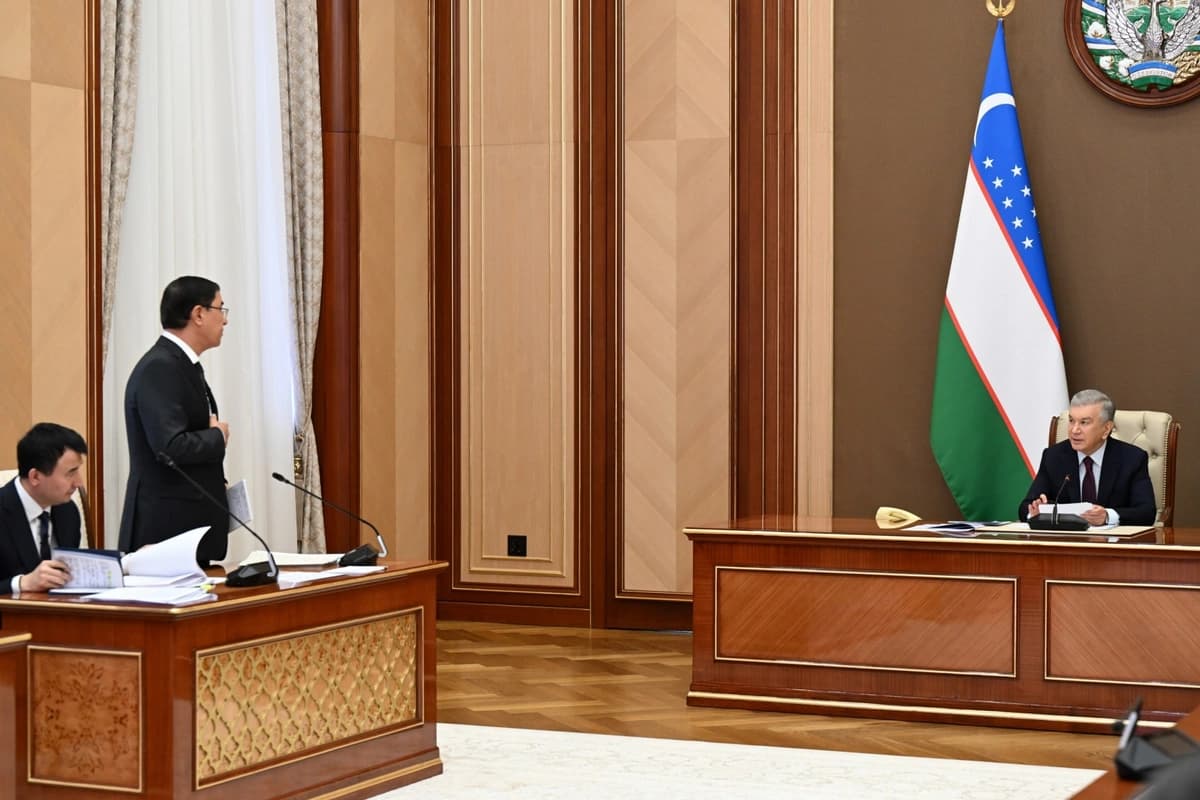
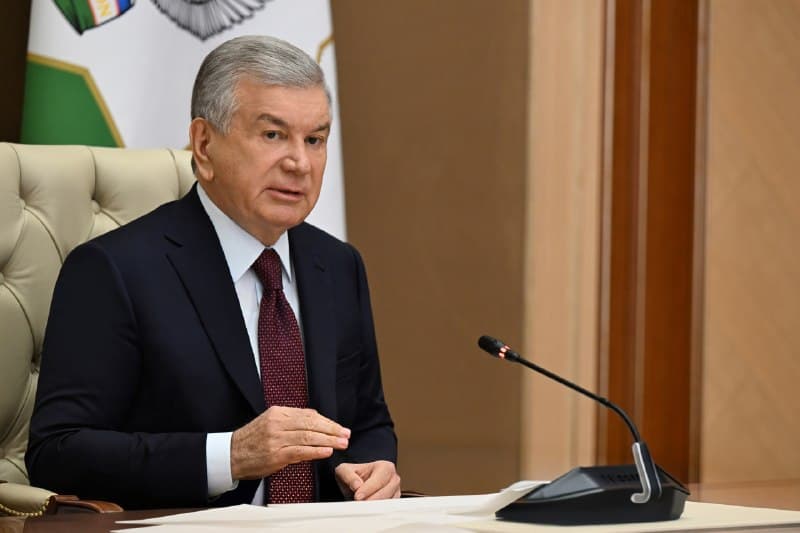
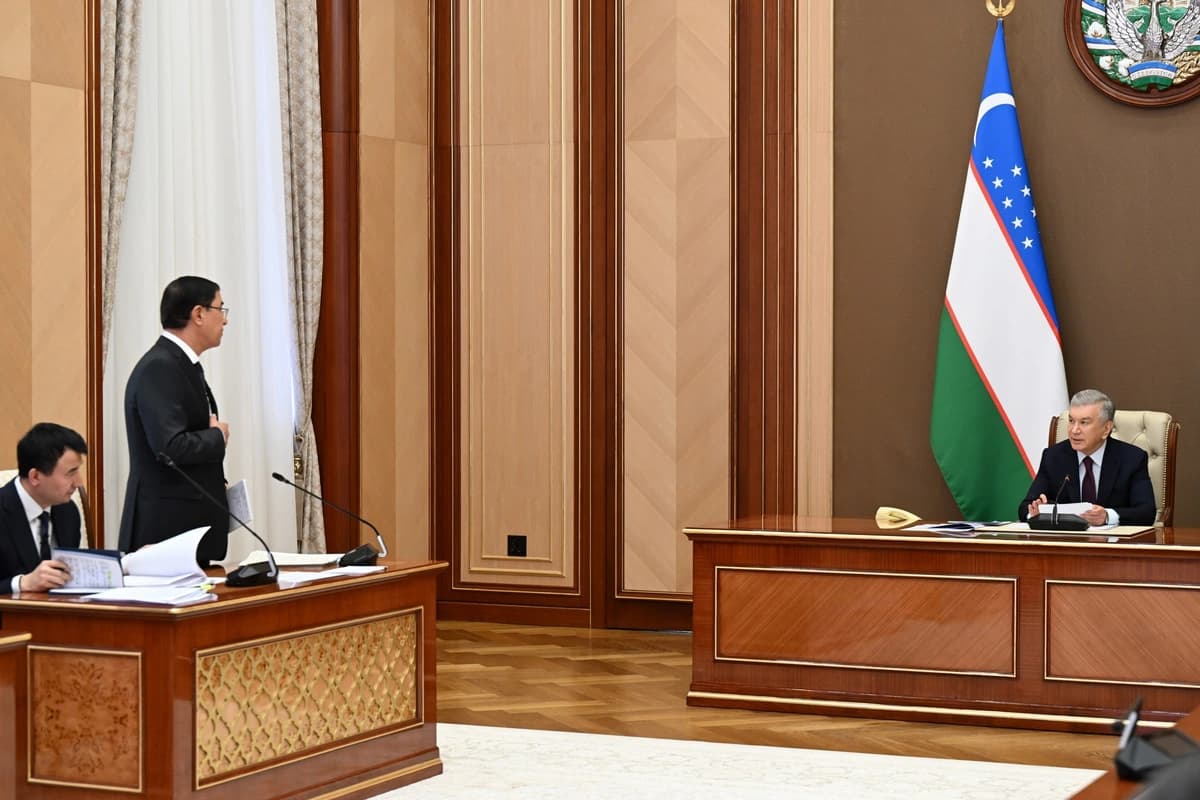
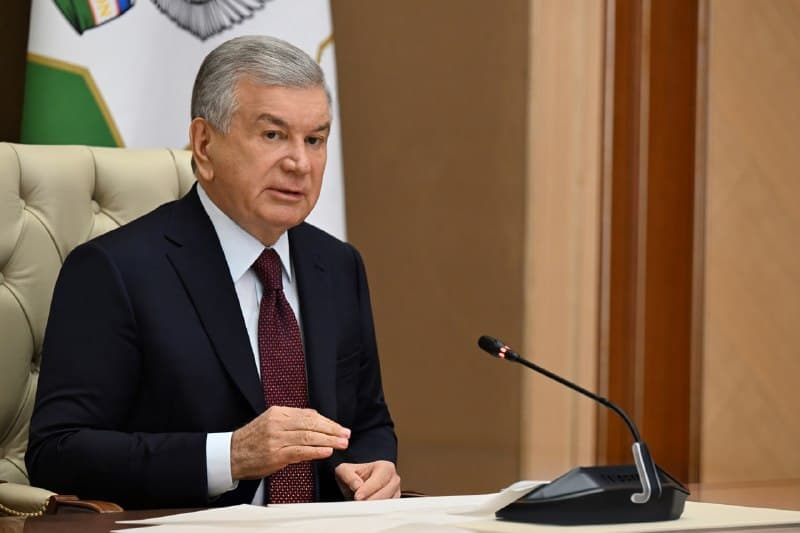
President Shavkat Mirziyoyev held a meeting on the target indicators of the 2027 State Budget, the main macroeconomic forecasts and the priority areas of budget and tax policy. As noted at the meeting, the social focus of the budget will be maintained next year as well: a total of about 176 trillion soums is planned to be allocated to financing reforms in education and healthcare — 114.3 trillion for education (14 trillion more than last year) and 61.4 trillion for medicine (12 trillion more). Another 70 trillion soums is envisaged for the development of regional and mahalla infrastructure, increasing employment and incomes of the population, developing human capital and strengthening social protection.
Macro forecasts and budget parameters
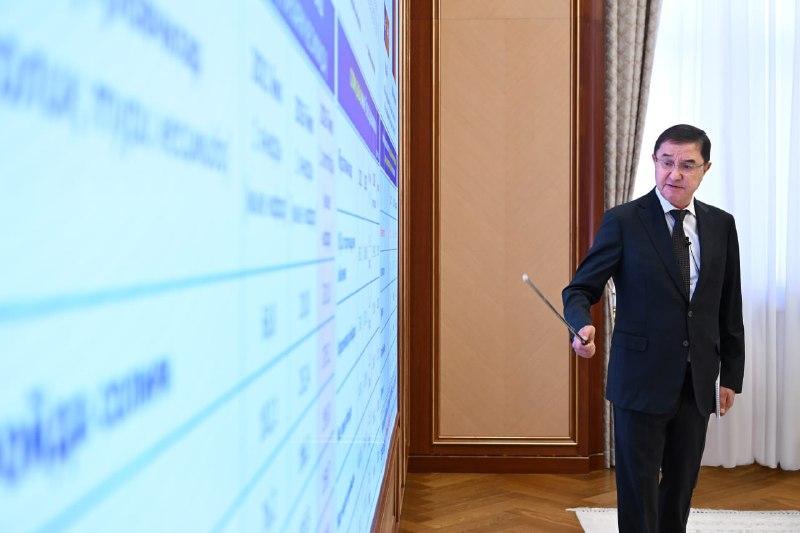
According to the figures announced, GDP in 2027 is forecast at $232 billion, inflation should not exceed 6% (in 2028–2029 — up to 5%), and exports excluding gold are expected to reach approximately $40 billion. Budget revenues for 2027 are planned at 416 trillion soums, expenditures — 464 trillion; the draft is based on a forecast of 7% economic growth. Key tasks named were keeping the deficit within 3% of GDP and maintaining the main tax rates unchanged. Revenue growth is expected to be achieved by stimulating business activity, expanding the tax base, reducing the shadow economy and digitalizing the tax and customs spheres.
New growth model and industrial policy
To sustainably finance social obligations, the meeting emphasized the need for annual economic growth of at least 7% and the use of reserves and new technological factors. The foundation of the new growth model should be a modern industrial policy: a shift to high value-added products, attracting technology and integrating national companies into international production chains. A strategy for accelerated development of chemistry and petrochemistry, mechanical engineering, electrical engineering, textiles and pharmaceuticals is being developed; in 2027, at least 2–3 large investors are planned to be attracted to each priority industry. Separate attention will be given to mastering the production of high-tech components and batteries for semiconductors, robotics, biotechnology and electric vehicles.
Investments and next steps
Among the structural priorities named were the transformation of state enterprises and banks, acceleration of privatization, improvement of energy and transport infrastructure, and completion of the WTO accession process. Agencies have been tasked with developing sectoral and regional plans to attract $65 billion in foreign investment in 2027. Also set was the task of piloting a system of digital control over the spending of budget funds under the investment program. Following the meeting, the main directions of the 2027 draft budget were determined: under the legislation, it will be discussed in local Councils and then submitted to the Legislative Chamber of the Oliy Majlis.