The key facts
- 2027 forecast: GDP of $232 billion, 7% economic growth, inflation down to 6%, deficit within 3% of GDP
- Budget revenues are planned at 416 trillion soums, expenditures at 464 trillion soums
- 176 trillion soums for education and healthcare; the main tax rates will remain unchanged
Meeting on the 2027 budget
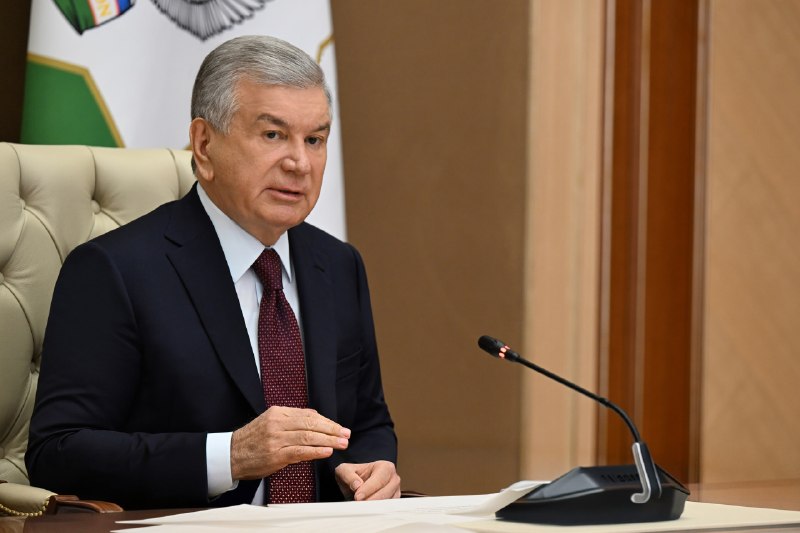
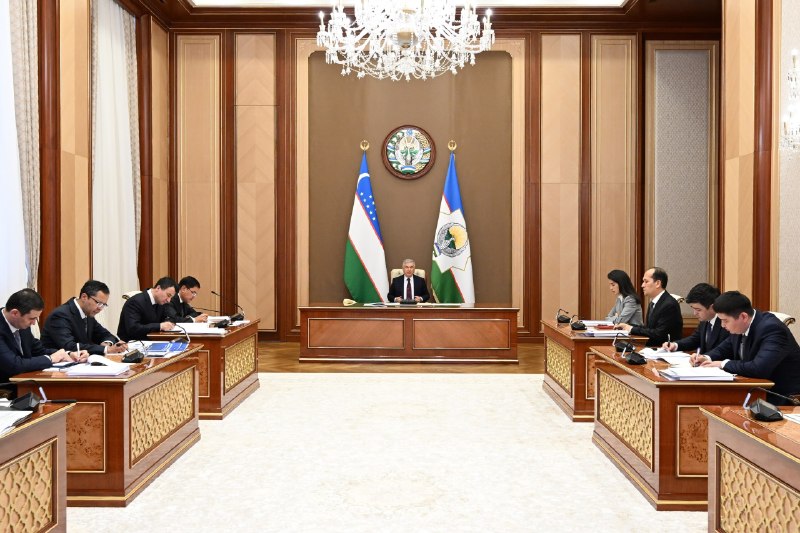
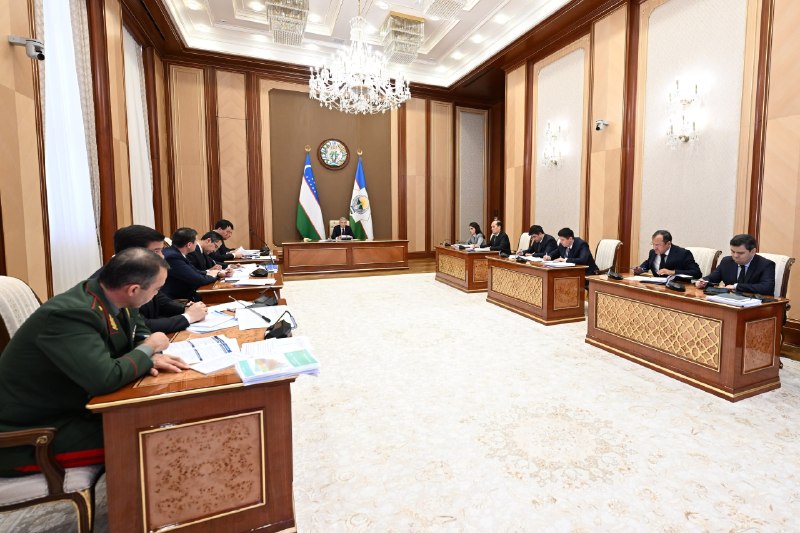
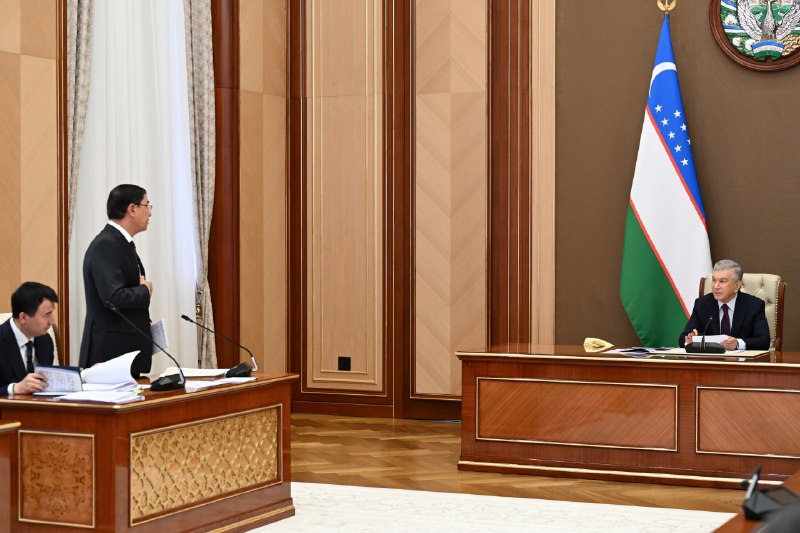
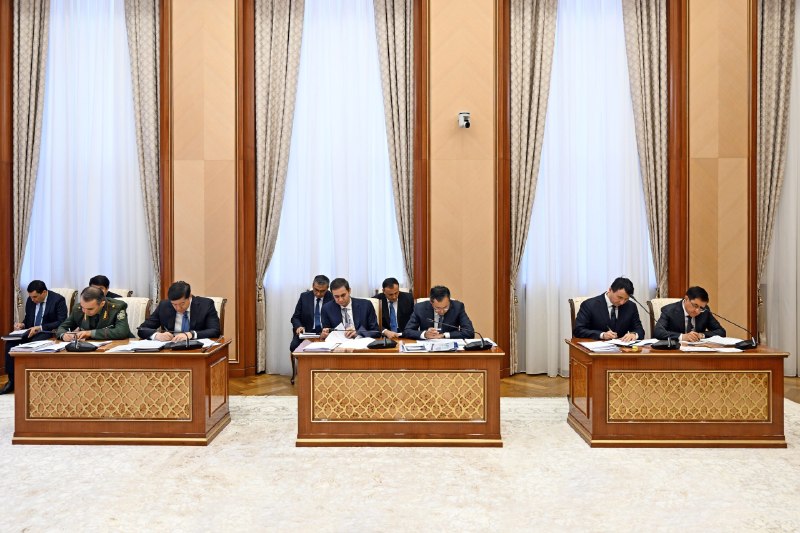
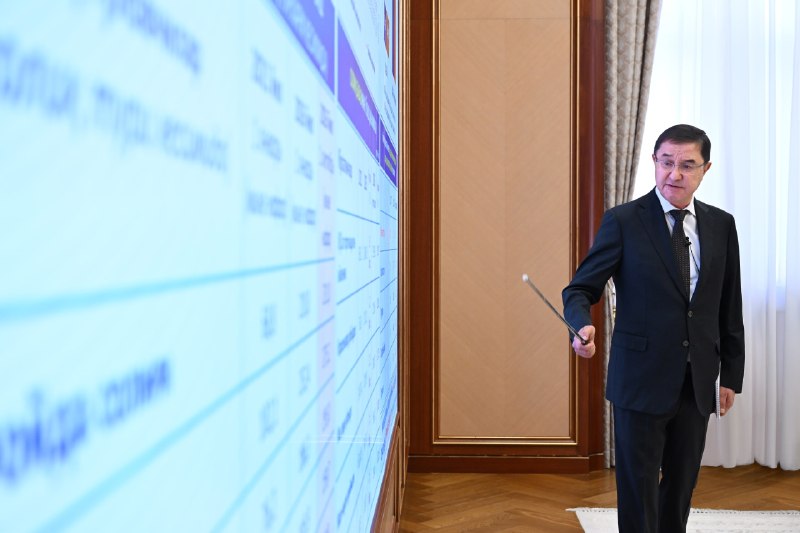
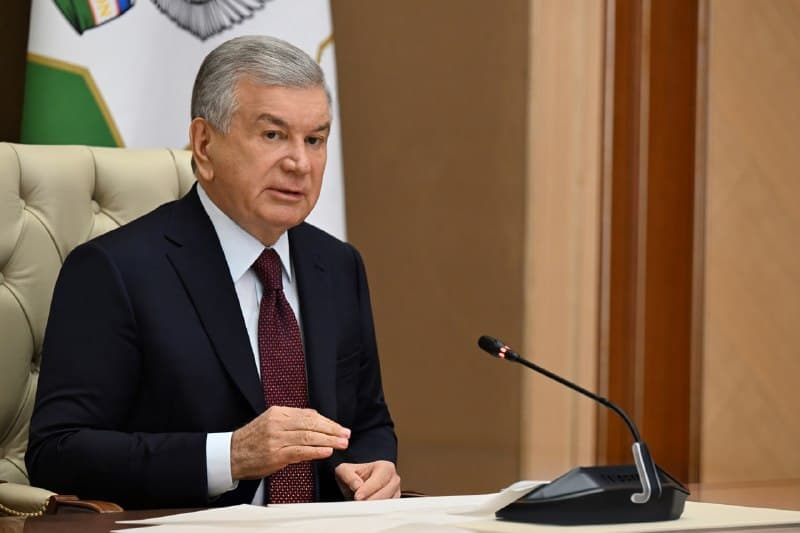
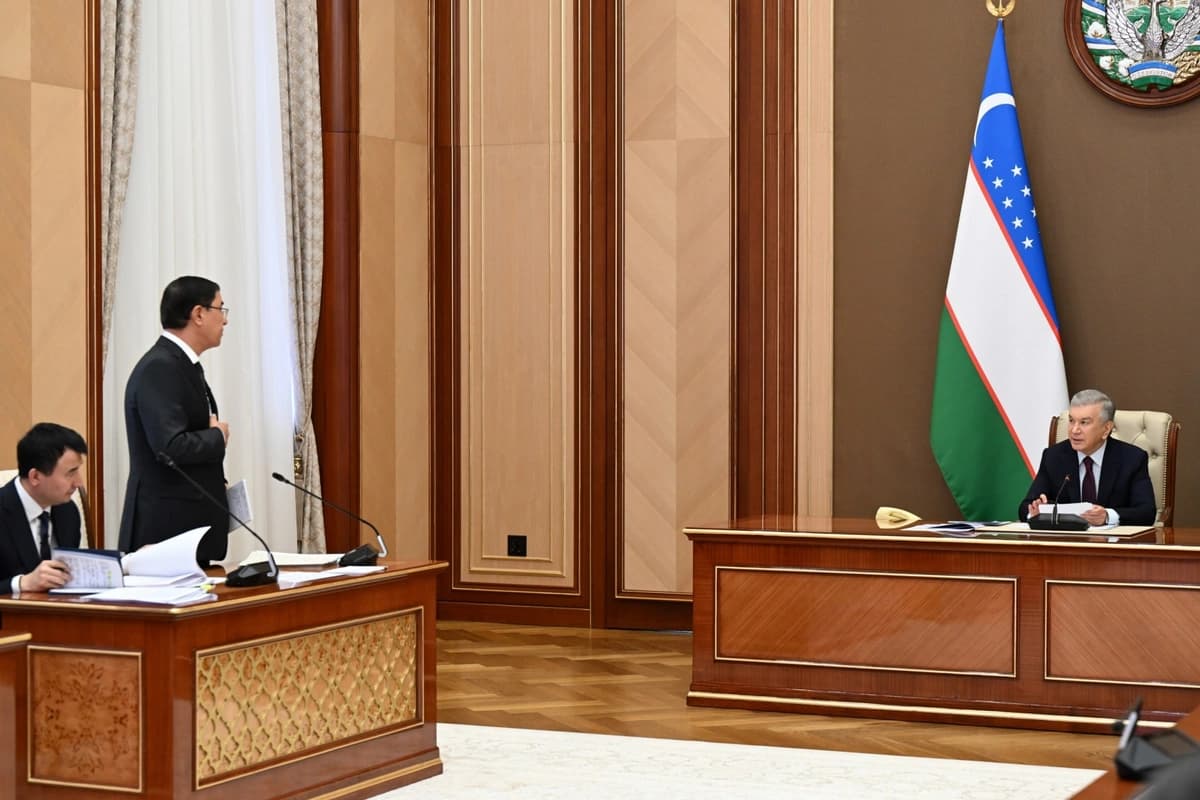
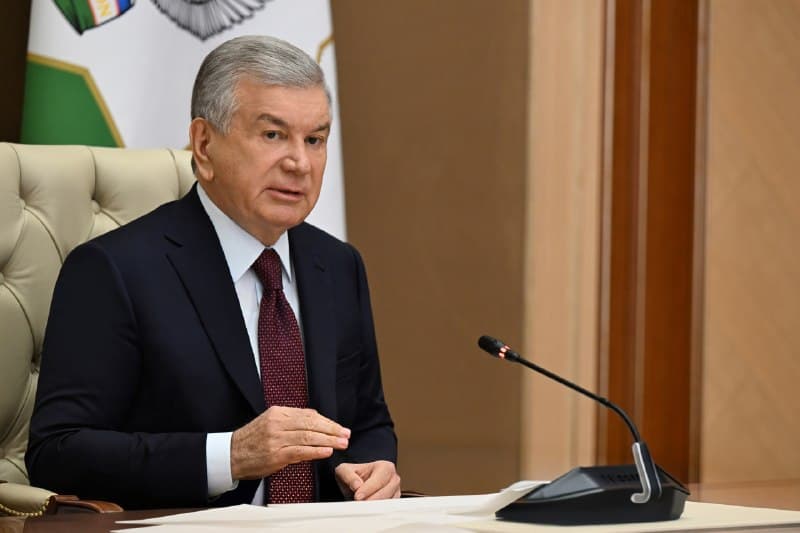
President Shavkat Mirziyoyev held a meeting dedicated to the target indicators of the 2027 State Budget, the key macroeconomic forecasts and priority areas of fiscal and tax policy. The press service of the head of state reported this; Spot.uz provides the details of the presentation.
Macroeconomic benchmarks
By the end of the current year, as noted at the meeting, economic growth of at least 8% is expected, and per capita income should exceed $5,200. By 2030, the goal is to raise GDP to $300 billion, and by 2036 — to $10,000 per capita. According to calculations, GDP in 2027 is forecast at $232 billion, with exports excluding gold at about $40 billion. Inflation in 2027 should fall to 6%, and to 5% over the following two years.
Budget parameters and tax policy
For next year, budget revenues are planned at 416 trillion soums and expenditures at 464 trillion soums. The draft is built on a forecast of annual economic growth of 7%. The priorities named are macroeconomic stability amid global uncertainty, keeping inflation at no more than 6%, and holding the overall fiscal deficit within 3% of GDP. The main tax rates are planned to remain unchanged in 2027: revenue growth is expected to be achieved by stimulating economic activity, broadening the tax base, reducing the shadow sector, improving tax and customs administration, introducing digital solutions and artificial intelligence technologies, and creating more transparent conditions for business.
Social focus and spending control
The budget will retain its social focus: about 176 trillion soums in total is planned to be allocated to reforms in education and healthcare — 114.3 trillion for education (14 trillion more than in 2025) and 61.4 trillion for medicine (plus 12 trillion). Another 70 trillion soums will go to the infrastructure of regions and mahallas, employment, human capital development and stronger social protection. The President emphasized that every soum of budget funds must deliver a concrete result; particular attention was paid to targeted spending, cutting inefficient costs and strengthening budget discipline. The task was set to pilot a digital control system that would allow full tracking of the use of budget funds in the implementation of construction projects under the investment program.
What this means in practice
The meeting is a stage of discussing the parameters before the budget is approved: sources do not yet report on the adoption of the 2027 budget law. For readers, the key practical takeaways are as follows: tax rates, according to the stated plan, will not change, while social items will see a notable increase — education and medicine together will gain about 26 trillion soums compared with 2025. Earlier, Spot.uz also wrote about other tax initiatives, in particular about the proposal to bring tax benefits into effect before amendments to the Tax Code are made.