The key facts
- Jensen Huang resigned as Nvidia CEO after 33 years at the helm
- CFO Colette Kress will lead the company on an interim basis; the company has no succession plan
- Nvidia's quarterly earnings report will be released on November 17 under interim leadership
Resignation After 33 Years at the Helm
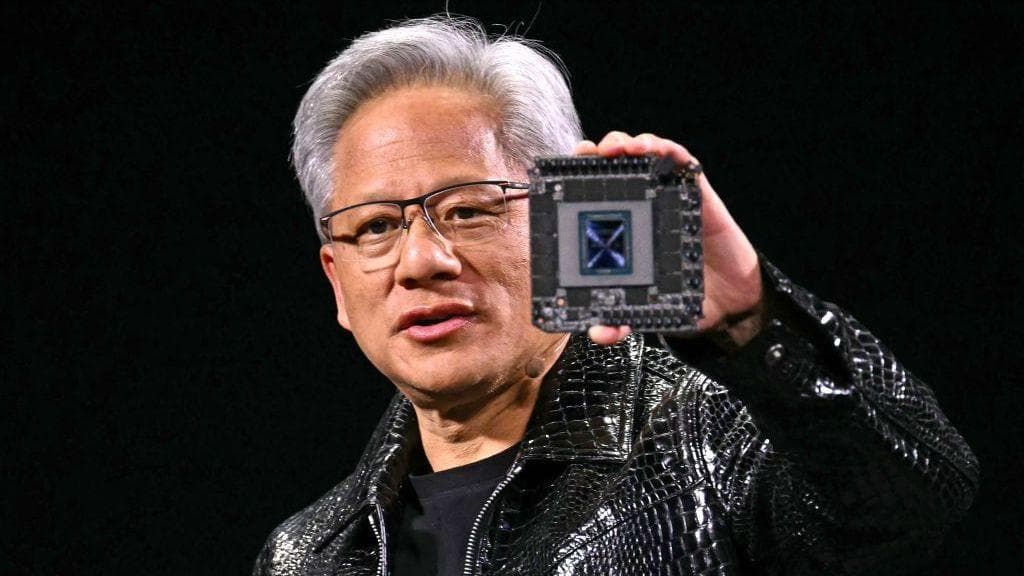
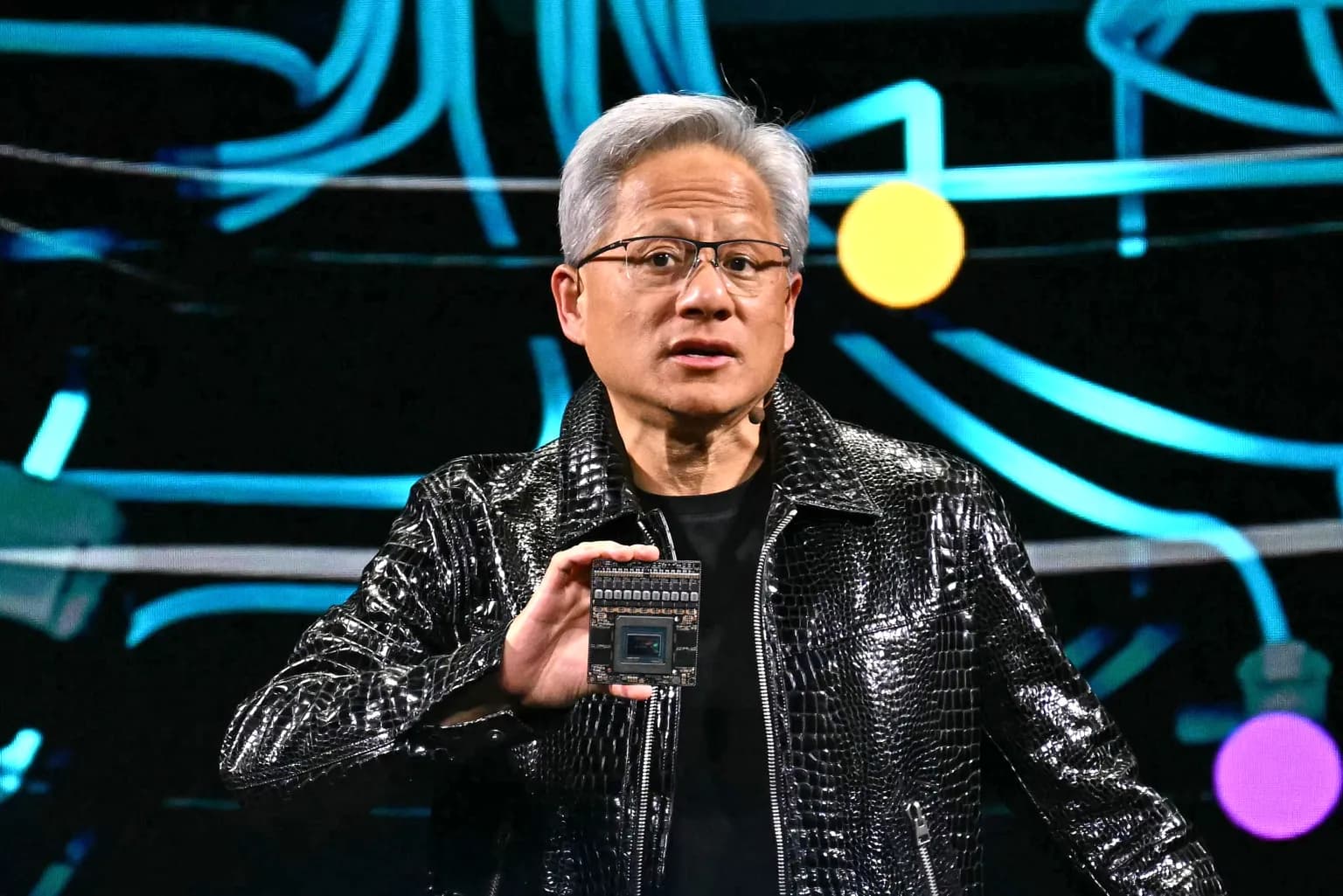
Jensen Huang, co-founder and longtime CEO of Nvidia, submitted his resignation on Thursday. He started the company with two friends at a diner in Silicon Valley and turned it into one of the most valuable in the world; his chip presentations — chips that power services like ChatGPT — filled entire stadiums. The departure was preceded by an admission of an affair with a woman whom US officials believe worked for Chinese intelligence, as well as reports of a second affair with a subordinate. Beijing rejects the espionage accusations and accuses Washington of using them as a pretext for a technological 'blockade'.
Who Will Lead the Company
CFO Colette Kress has been appointed interim CEO and will retain her role in the finance division. She joined Nvidia in 2013 after nearly 25 years at Cisco and Microsoft and is often cited as the key internal candidate. Harvey S. Jones, former head of Synopsys, will become the first chairman of the board in the company's history. The company has no known succession plan: Huang consistently avoided naming a successor. Carmen Dominguez, former senior AI adviser in the Biden administration, noted that no 'prepared' heir exists, and Martin Peers of The Information said there are no obvious internal candidates. Possible external figures mentioned included AMD head Lisa Su (a relative of Huang), Arm CEO Rene Haas, and Intel chief Lip-Bu Tan. Huang's children Madison and Spencer hold leadership positions at the company, but, according to Dominguez, their readiness to run it is unclear.
The 'Huang Premium' and Risks for the Industry
Investors have paid a premium for Nvidia's leadership for years: according to Stephen Innes of SPI Asset Management, they were 'buying Nvidia's technology and Huang's vision in equal measure,' and now it will have to be determined how much of that premium was tied to one person. Mandeep Singh of Bloomberg Intelligence believes that under new leadership the company is unlikely to be 'as aggressive,' which matters for the race of AI chip generations. Charu Chanana of Saxo Markets suggests that AI leadership 'may broaden rather than the boom ending,' naming AMD, Broadcom, Alphabet, and Samsung as possible winners. A broader risk is the contagion effect: in Dominguez's assessment, all AI companies either owe money to Nvidia or depend on it. The turmoil coincided with the days before Anthropic's stock market debut, which is seen as a test of investor appetite for the sector. Not everyone is alarmed: an investor for Sheikh Meytha bint Maktoum called possible disruptions 'temporary' given the ecosystem Nvidia built over decades.
Europe and Washington
For Europe, Huang's departure may have practical consequences: a few weeks ago, at an investment summit in Berlin, he agreed on an AI partnership with Chancellor Friedrich Merz, in which, according to reports, the federal government is participating with a nine-figure euro sum. Around a dozen German companies are expected to take part, including Siemens, Audi, and the Freiburg-based startup Black Forest Labs. According to Nvidia itself, in 2025 it invested nearly $1 billion in Germany, and in October it announced the opening of an AI hub for startups in Stockholm. Huang personally promoted these projects, and it is unclear whether a successor will retain enthusiasm for the idea of a 'national intelligence' built on each country's own data. In the US, Huang was a close informal adviser to President Trump on AI and for years lobbied for the removal of restrictions on sales of advanced chips to China; last year Trump approved the export of H200 chips, overruling 'hawks' from both parties. After the resignation, this influence may weaken: Senators Elizabeth Warren and Chris Coons have already asked the administration to preserve all documents on Nvidia chip exports to China. Meanwhile, Chinese companies are trying to reduce their dependence on American suppliers, and Huawei is positioning itself as China's answer to Nvidia.